Forza Horizon has always offered a wide range of racing environments, but Forza Horizon 6 introduces a particularly distinctive form of competition through its emphasis on Japanese mountain roads. Touge racing changes the fundamental question of what makes a successful driver.
On a conventional circuit, players often think about acceleration, braking points, corner exits, and overtaking opportunities. Touge competition adds another dimension: maintaining momentum through narrow, technical roads where mistakes can happen almost instantly.
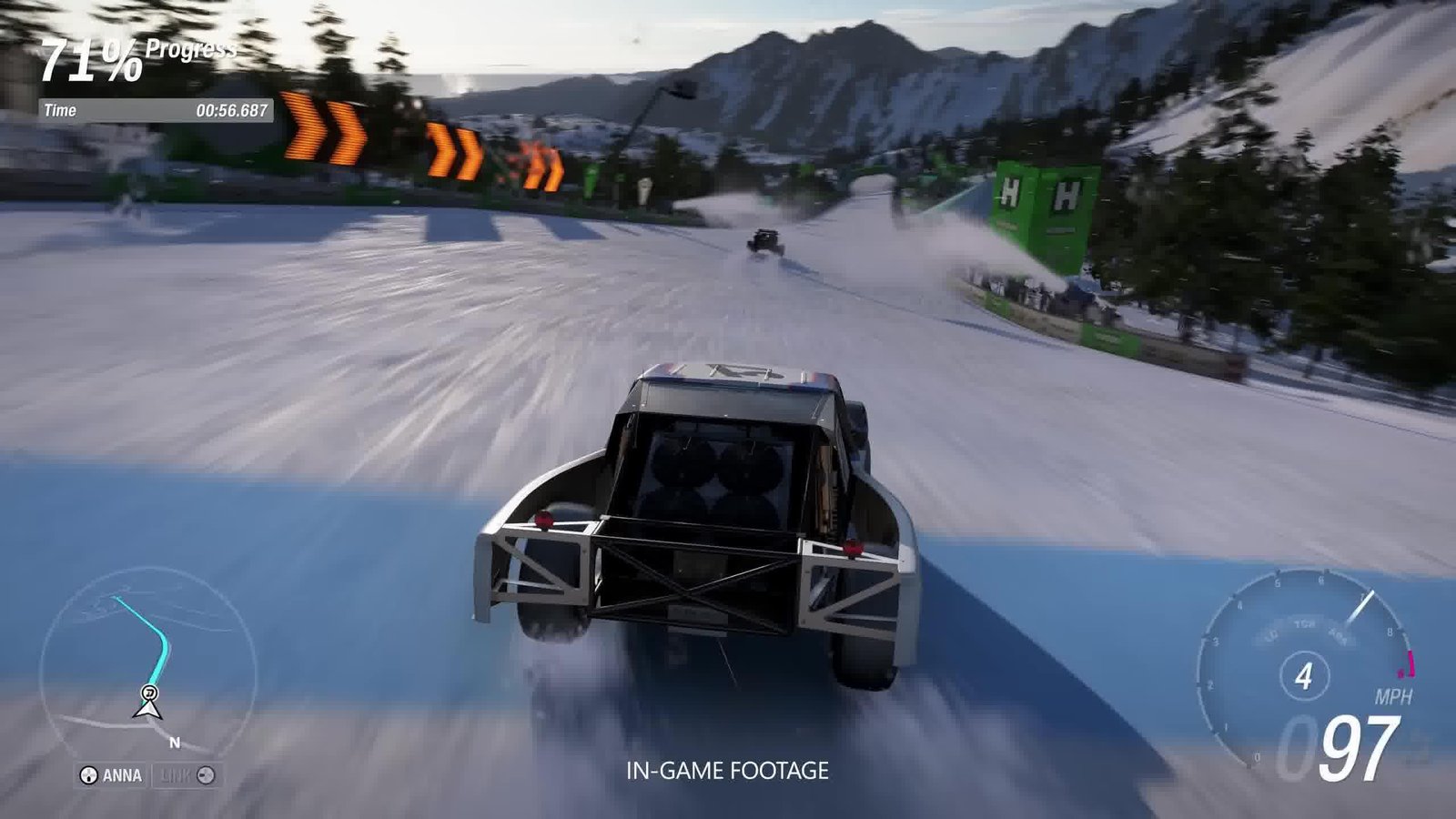
The mountainous areas surrounding Mount Fuji provide the perfect setting. Roads climb through scenic landscapes, with tight switchbacks and guardrails leaving little room for error. The environment is beautiful, but players quickly discover that appreciating the scenery is difficult when every corner requires concentration.
The biggest misconception about mountain racing is that horsepower automatically wins. In reality, a powerful car can become difficult to manage when the road is narrow and technical. A balanced vehicle that changes direction quickly can be more effective than a machine built exclusively for straight-line speed.
Weight transfer becomes particularly important. Braking too aggressively before a corner can destabilize the car, while entering too quickly can result in an expensive mistake. Drivers have to understand how their vehicle responds as weight moves from one end of the car to the other.
Drifting can also become part of the strategy. Controlled oversteer allows drivers to rotate the vehicle through certain corners, but excessive sliding can destroy momentum. The objective is not simply to produce the biggest cloud of tire smoke. It is to use the car's movement efficiently.
This philosophy distinguishes Touge racing from Wangan events. Wangan competition is built around long highway sections, high speeds, and traffic. The driver must manage acceleration, positioning, and reaction time at speeds exceeding 200 miles per hour.
Touge racing, by contrast, compresses the challenge. Decisions arrive constantly. There may be only a moment between one corner and the next. A tiny mistake in braking or steering can affect an entire sequence of turns.
That makes vehicle setup extremely important. Players can adjust ride height, camber, track width, tires, and other components to produce a car suited to mountain driving. The extensive customization system gives enthusiasts room to experiment.
For players using Forza Horizon 6 Modified Accounts, the appeal of these features is especially clear because the game's identity is increasingly connected to personalized builds rather than simply collecting expensive cars. Meanwhile, Forza Horizon 6 Credits can support players who want to build different vehicles for different disciplines.
The social element also adds depth. Friends can meet at mountain locations and organize informal competitions, turning the open world into a gathering place rather than simply a sequence of events.
This reflects the broader philosophy behind Forza Horizon 6. The game is interested in automotive communities and the cultures that grow around cars. Touge racing is not presented merely as another event type. It is part of a larger world of tuning, drifting, cruising, and nighttime driving.
The atmosphere strengthens that impression. Mountain roads at night can feel completely different from daytime exploration. Rain, darkness, headlights, and reflective road surfaces create an environment where every corner feels more dramatic.
Yet the true reward comes from mastering the road. Learning a sequence of corners, understanding how the car responds, and gradually improving lap times creates a sense of progression that cannot be measured solely by the value of the player's garage.
Touge racing gives Forza Horizon 6 a technical identity that previous entries did not emphasize to the same degree. It rewards precision over brute force and understanding over simple acceleration.
For players willing to spend time learning their cars, it can become one of the most satisfying parts of the entire game.
Get Forza Horizon 6 modded accounts from U4GM with instant delivery and secure transactions. Choose from premium and modded FH6 accounts for Xbox, PS5, and PC at low prices.
More visit: https://www.u4gm.com/forza-horizon-6/modded-accounts
Forza Horizon has always offered a wide range of racing environments, but Forza Horizon 6 introduces a particularly distinctive form of competition through its emphasis on Japanese mountain roads. Touge racing changes the fundamental question of what makes a successful driver.On a conventional circuit, players often think about acceleration, braking points, corner exits, and overtaking opportunities. Touge competition adds another dimension: maintaining momentum through narrow, technical roads where mistakes can happen almost instantly.The mountainous areas surrounding Mount Fuji provide the perfect setting. Roads climb through scenic landscapes, with tight switchbacks and guardrails leaving little room for error. The environment is beautiful, but players quickly discover that appreciating the scenery is difficult when every corner requires concentration.The biggest misconception about mountain racing is that horsepower automatically wins. In reality, a powerful car can become difficult to manage when the road is narrow and technical. A balanced vehicle that changes direction quickly can be more effective than a machine built exclusively for straight-line speed.Weight transfer becomes particularly important. Braking too aggressively before a corner can destabilize the car, while entering too quickly can result in an expensive mistake. Drivers have to understand how their vehicle responds as weight moves from one end of the car to the other.Drifting can also become part of the strategy. Controlled oversteer allows drivers to rotate the vehicle through certain corners, but excessive sliding can destroy momentum. The objective is not simply to produce the biggest cloud of tire smoke. It is to use the car's movement efficiently.This philosophy distinguishes Touge racing from Wangan events. Wangan competition is built around long highway sections, high speeds, and traffic. The driver must manage acceleration, positioning, and reaction time at speeds exceeding 200 miles per hour.Touge racing, by contrast, compresses the challenge. Decisions arrive constantly. There may be only a moment between one corner and the next. A tiny mistake in braking or steering can affect an entire sequence of turns.That makes vehicle setup extremely important. Players can adjust ride height, camber, track width, tires, and other components to produce a car suited to mountain driving. The extensive customization system gives enthusiasts room to experiment.For players using Forza Horizon 6 Modified Accounts, the appeal of these features is especially clear because the game's identity is increasingly connected to personalized builds rather than simply collecting expensive cars. Meanwhile, Forza Horizon 6 Credits can support players who want to build different vehicles for different disciplines.The social element also adds depth. Friends can meet at mountain locations and organize informal competitions, turning the open world into a gathering place rather than simply a sequence of events.This reflects the broader philosophy behind Forza Horizon 6. The game is interested in automotive communities and the cultures that grow around cars. Touge racing is not presented merely as another event type. It is part of a larger world of tuning, drifting, cruising, and nighttime driving.The atmosphere strengthens that impression. Mountain roads at night can feel completely different from daytime exploration. Rain, darkness, headlights, and reflective road surfaces create an environment where every corner feels more dramatic.Yet the true reward comes from mastering the road. Learning a sequence of corners, understanding how the car responds, and gradually improving lap times creates a sense of progression that cannot be measured solely by the value of the player's garage.Touge racing gives Forza Horizon 6 a technical identity that previous entries did not emphasize to the same degree. It rewards precision over brute force and understanding over simple acceleration.For players willing to spend time learning their cars, it can become one of the most satisfying parts of the entire game.Get Forza Horizon 6 modded accounts from U4GM with instant delivery and secure transactions. Choose from premium and modded FH6 accounts for Xbox, PS5, and PC at low prices.More visit: https://www.u4gm.com/forza-horizon-6/modded-accounts







 English