

How to Measure for Curtains: A Precise Guide to Perfect Neutral Curtains Styling
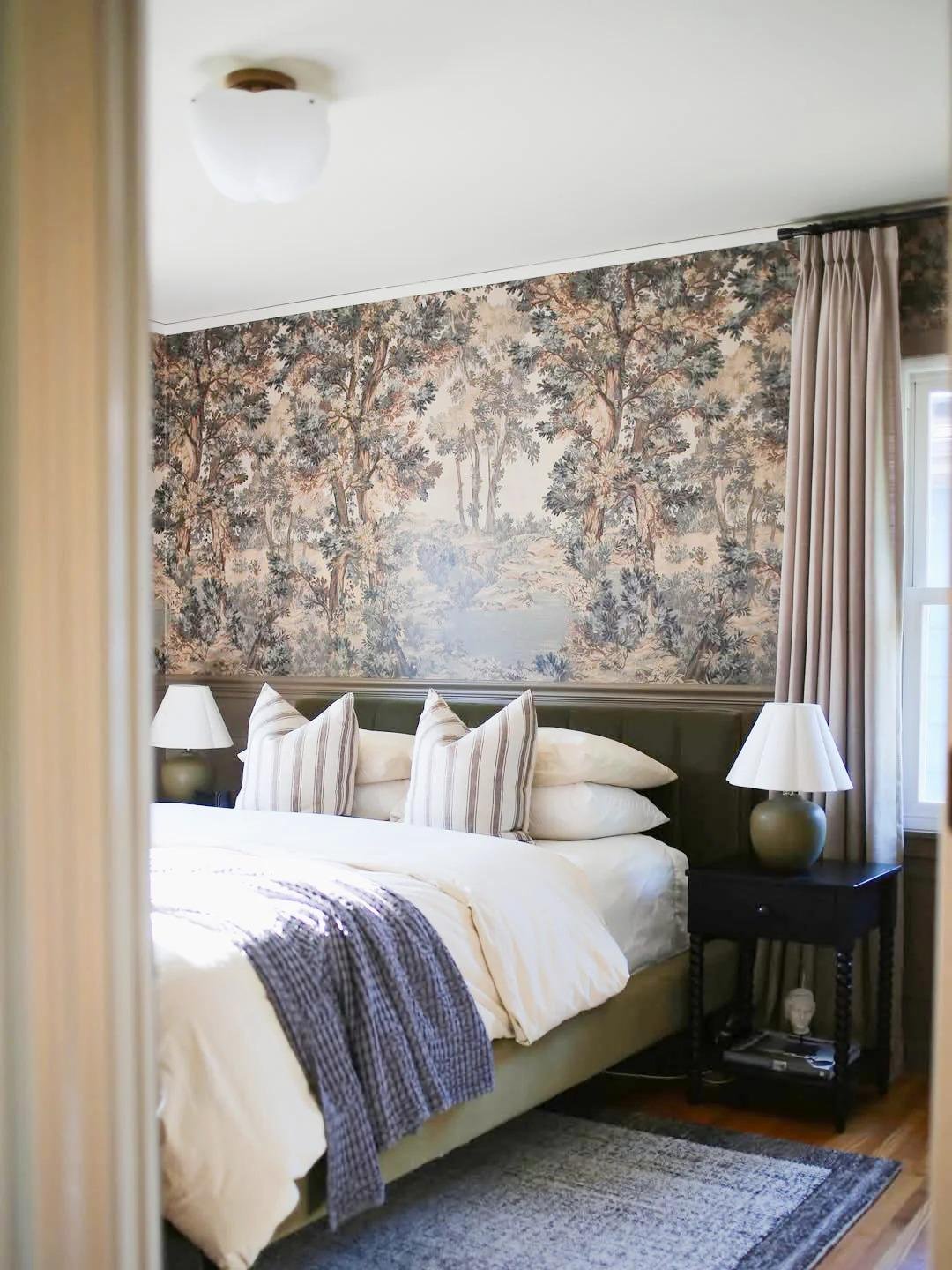
Achieving a polished and harmonious interior begins with details that are often overlooked, and one of the most crucial among them is knowing How to Measure for Curtains. Whether you’re dressing expansive windows or compact frames, accurate measurements ensure that your curtains fall gracefully, frame your space beautifully, and enhance the elegance of Neutral Curtains without appearing awkward or ill-fitted.
Curtains are not merely functional—they are architectural elements that influence proportion, light, and overall ambiance. Measuring them correctly is the first step toward creating a refined and cohesive look.
Why Accurate Curtain Measurement Matters?
Improperly measured curtains can disrupt the entire aesthetic of a room. Curtains that are too short may feel incomplete, while overly narrow panels can appear strained and unbalanced. On the other hand, well-measured Neutral Curtains create a seamless flow, adding softness and sophistication to your space.
Precision ensures:
- Balanced proportions
- Proper light control
- Enhanced visual height and width of windows
- A tailored, high-end appearance
Step 1: Decide the Curtain Placement
Before measuring, determine how you want your curtains to sit. This decision affects both width and height.
- Inside mount: Curtains fit within the window frame for a clean, minimal look
- Outside mount: Curtains extend beyond the frame, making windows appear larger
For most interiors, especially when using Neutral Curtains, an outside mount is preferred as it adds depth and elegance.
Step 2: Measuring Curtain Width
Width is essential for achieving fullness. Curtains should never look flat or stretched.
How to measure:
- Measure the width of your curtain rod (not just the window).
- Multiply this measurement by 1.5 to 3 times for proper fullness.
For example:
If your rod is 60 inches wide, your total curtain width should be between 90 and 180 inches.
Fuller curtains create soft folds, which enhance the understated beauty of Neutral Curtains, giving them a luxurious drape.
Step 3: Measuring Curtain Length
Length determines how your curtains interact with the floor and overall room proportions.
Common length styles:
- Sill length: Ends at the window sill (ideal for kitchens or small spaces)
- Apron length: Falls just below the sill
- Floor length: Just touches the floor for a clean look
- Puddle length: Extends slightly onto the floor for a dramatic effect
How to measure:
- Measure from the top of the curtain rod to your desired endpoint
- Add extra inches depending on the header style (rings, grommets, or pleats)
For Neutral Curtains, floor-length or slightly puddled styles often work best, as they emphasize elegance and continuity.
Step 4: Choosing the Right Rod Placement
Rod placement can visually transform your space.
- Mount the rod 4–6 inches above the window frame to create height
- Extend the rod 6–12 inches beyond the window width on each side to make the window appear wider
This technique is especially effective with Neutral Curtains, as their subtle tones amplify the illusion of openness and light.
Step 5: Understanding Curtain Fullness
Fullness refers to how gathered or pleated the curtains appear.
- 1.5x fullness: Minimal, modern look
- 2x fullness: Balanced and standard
- 2.5–3x fullness: Luxurious and dramatic
Neutral tones benefit from extra fullness because it adds dimension and prevents the fabric from looking plain or flat.
Step 6: Accounting for Fabric Type
Different fabrics behave differently:
- Lightweight fabrics (like sheer or linen) may require more width for fullness
- Heavier fabrics (like velvet) naturally create fuller folds
When selecting Neutral Curtains, consider how the fabric will drape. Softer materials often enhance the calming and airy effect associated with neutral palettes.
Step 7: Measuring for Multiple Panels
If your design includes multiple curtain panels:
- Divide the total required width evenly among panels
- Ensure symmetry for a balanced appearance
For example, if you need 120 inches of total width, two panels should each be 60 inches wide.
Symmetry is key when working with Neutral Curtains, as it reinforces their clean and harmonious aesthetic.
Step 8: Double-Check Before Buying
Before finalizing your purchase:
- Re-measure all dimensions
- Confirm rod placement
- Account for hardware and curtain headers
Even small miscalculations can affect the final look, so accuracy is essential.
Styling Neutral Curtains for Maximum Impact:
Once measurements are perfected, styling brings everything together:
- Pair with light-colored walls for a serene atmosphere
- Layer with sheer panels for added depth
- Use tie-backs to introduce shape and movement
- Combine textures (linen, cotton, blends) for visual interest
Neutral Curtains are incredibly versatile—they adapt to modern, classic, and transitional interiors while maintaining a sense of calm and sophistication.
Common Mistakes to Avoid:
- Measuring only the window instead of the rod
- Choosing curtains that are too short
- Skipping fullness calculations
- Ignoring fabric behavior
- Mounting rods too low
Avoiding these mistakes ensures your curtains look intentional rather than improvised.
The Final Touch of Precision:
Learning how to measure for curtains is not just a technical task—it is a design skill that shapes the entire atmosphere of a room. With accurate measurements, even the simplest Neutral Curtains can transform a space into something refined and inviting.
They soften light, frame views, and create a sense of balance that resonates throughout the home. When measured correctly, curtains do more than cover windows—they elevate the way a space feels.
 English