

The Evolution of Range Rover Engine Technology
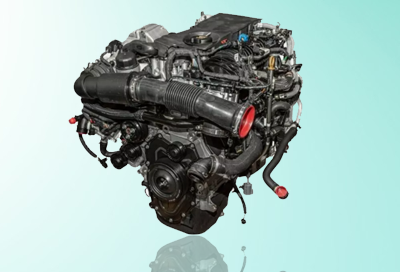
Origins of Power and Prestige
The story of Range Rover begins in 1970, when luxury met off-road capability in a way the automotive world had never seen before. Early models focused on durability and simplicity, with V8 engines sourced from Buick designs. These engines were not just about power but reliability across rugged terrains. Over time, engineers refined performance while maintaining strength. As innovation progressed, enthusiasts began noticing how the Range Rover Engine steadily transformed from a utilitarian component into a refined powerhouse that balanced both comfort and capability seamlessly across diverse driving environments.
The Shift Toward Refinement
By the 1980s and 1990s, Range Rover had begun shifting toward a more premium experience. Engine technology advanced with fuel injection systems replacing carburetors, improving efficiency and responsiveness. The integration of smoother transmissions complemented engine upgrades, creating a more refined ride. During this period, the Range Rover Engine became quieter and more responsive, aligning with growing customer expectations for luxury vehicles. Engineers prioritized smoother acceleration and reduced vibration, setting the stage for modern developments while maintaining the brand’s signature off-road strength and resilience in all driving conditions.
Diesel Revolution in Europe
As fuel efficiency became a major concern, diesel engines gained popularity, especially in European markets. Range Rover responded by introducing diesel variants that offered improved fuel economy without compromising torque. These engines proved particularly effective for long-distance driving and heavy-duty use. The evolution of the Range Rover Engine in diesel form demonstrated the brand’s adaptability to market demands. With turbocharging and intercooling technologies, these engines delivered both performance and efficiency, making them a preferred choice for drivers who valued endurance and cost-effectiveness alongside luxury and capability.
Supercharging Performance
The early 2000s marked a significant turning point with the introduction of supercharged engines. These engines dramatically improved horsepower and acceleration, allowing Range Rover to compete with high-performance luxury SUVs. The addition of forced induction meant quicker throttle response and greater output without increasing engine size significantly. As innovation continued, the Range Rover Engine evolved into a performance-focused unit capable of delivering exhilarating driving experiences. This era showcased the brand’s commitment to blending speed with sophistication, appealing to drivers who desired both luxury comfort and sports-like performance.
Introduction of Advanced Electronics
With the rise of digital technology, engines became more intelligent and efficient. Range Rover integrated advanced engine management systems that optimized fuel delivery, ignition timing, and emissions control. These electronic systems allowed for real-time adjustments, improving performance under varying conditions. As a result, the Range Rover Engine became smarter, offering a seamless balance between power and efficiency. This technological leap also enhanced reliability, ensuring that vehicles could adapt to both urban environments and challenging off-road terrains without compromising overall performance or driver experience.
Hybrid Innovation and Sustainability
In recent years, environmental concerns have driven the adoption of hybrid technology. Range Rover introduced plug-in hybrid systems that combine traditional engines with electric motors. This innovation reduces emissions while maintaining strong performance. The modern Range Rover Engine now works alongside electric components, creating a more sustainable yet powerful driving experience. These hybrid systems allow for silent electric driving in cities while retaining the strength needed for longer journeys, reflecting a shift toward eco-conscious engineering without sacrificing the brand’s identity.
Lightweight Engineering Advances
Weight reduction has become a critical focus in improving efficiency and performance. Range Rover adopted aluminum-intensive construction, which significantly reduced vehicle weight. Lighter vehicles require less power to move, enhancing fuel economy and agility. This change directly influenced how the Range Rover Engine performs, allowing it to deliver better output with less strain. The combination of lightweight materials and advanced engineering has resulted in improved handling, faster acceleration, and reduced emissions, demonstrating the importance of structural innovation in modern automotive design.
Turbocharging and Downsizing Trends
Modern automotive trends emphasize smaller engines with greater efficiency. Range Rover embraced turbocharging and downsizing to meet these expectations. Smaller engines equipped with turbochargers can produce power comparable to larger engines while consuming less fuel. This shift has redefined the capabilities of the Range Rover Engine, making it both powerful and efficient. Drivers now benefit from improved fuel economy without compromising on performance, showcasing how intelligent engineering can achieve a balance between environmental responsibility and driving satisfaction.
The Role of Software Integration
Software now plays a crucial role in engine performance. Range Rover vehicles utilize sophisticated software to monitor and optimize engine behavior continuously. These systems enhance fuel efficiency, reduce emissions, and improve overall responsiveness. The integration of software has transformed the Range Rover Engine into a highly adaptive system capable of learning and adjusting to driving habits. This evolution highlights the growing importance of digital innovation in automotive engineering, ensuring that vehicles remain efficient, reliable, and enjoyable to drive in an increasingly connected world.
Future of Electrification
Looking ahead, Range Rover is moving toward full electrification. Electric powertrains promise zero emissions and instant torque, redefining performance standards. While traditional engines have played a vital role in the brand’s history, the transition to electric technology marks a new chapter. The legacy of the Range Rover Engine will continue to influence future designs, even as internal combustion engines gradually phase out. This evolution reflects a commitment to sustainability, innovation, and maintaining the luxury and capability that define Range Rover’s identity in the modern automotive landscape.
 English