

Lifeguard Recertification: The Complete Guide to Renewing Your Certification in the USA
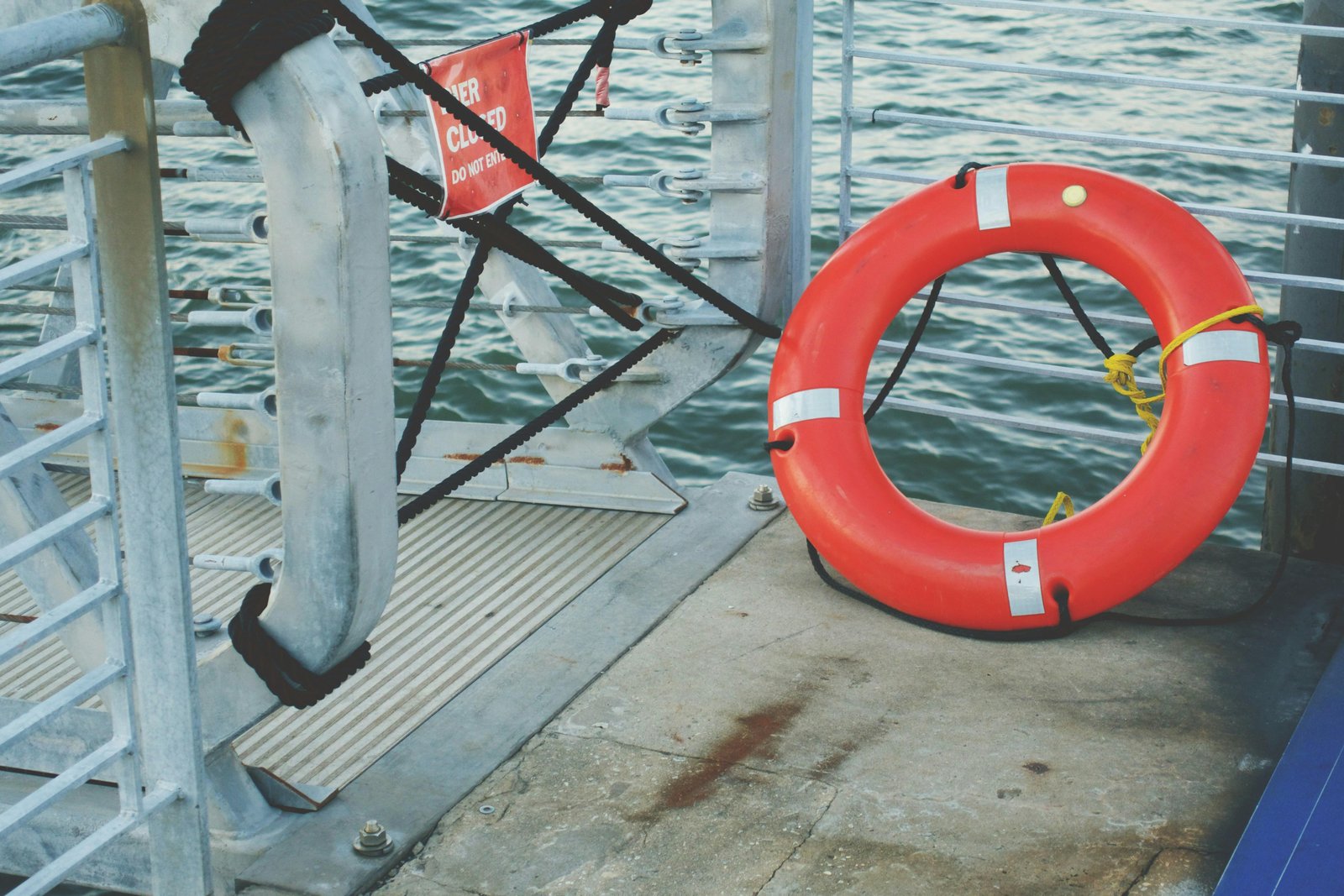
Lifeguard recertification is a critical step for maintaining your qualifications and continuing your career in aquatic safety. Since lifeguarding requires up-to-date lifesaving skills, certifications in the United States are typically valid for only two years. Renewing your certification ensures you stay compliant, confident, and ready to respond in emergencies.
This comprehensive guide explains everything you need to know about lifeguard recertification from requirements and costs to choosing the best program and continuing your career.
What Is Lifeguard Recertification?
Lifeguard recertification is a refresher training course designed for individuals who have already completed a full lifeguard certification. It focuses on updating your skills, reviewing emergency procedures, and ensuring you meet current safety standards.
Recertification programs are offered by leading organizations such as:
- American Red Cross
- YMCA
- Ellis & Associates
- American Lifeguard Association
Each organization follows national safety protocols, but course flexibility and delivery may vary.
Why Lifeguard Recertification Is Important
1. Maintain Employment Eligibility
Most employers require a valid, active certification. Without it, you cannot legally work as a lifeguard.
2. Keep Skills Sharp
Rescue techniques and CPR require precision. Recertification ensures your skills remain effective and up to date.
3. Stay Updated on Safety Standards
Guidelines for CPR, AED usage, and first aid evolve over time. Recertification keeps you aligned with current practices.
4. Build Confidence
Regular training helps you stay calm and prepared in high-pressure emergency situations.
When Should You Recertify?
You should renew your certification:
- Before it expires (every 2 years)
- Ideally 30–60 days in advance
Important:
If your certification expires for too long, you may need to retake the full lifeguard course instead of a recertification class.
What Does Lifeguard Recertification Include?
Recertification courses are shorter but still comprehensive.
Core Components:
1. Water Rescue Skills Review
- Active and passive victim rescues
- Deep-water recovery
- Use of rescue equipment
2. CPR and AED Renewal
- Updated CPR procedures
- AED operation practice
3. First Aid Refresher
- Injury treatment
- Emergency response updates
4. Emergency Scenario Training
- Real-life simulations
- Team coordination drills
5. Skills Testing
You must demonstrate proficiency in all required skills to pass.
Lifeguard Recertification Requirements
To enroll, you typically need:
- A current or recently expired certification
- Proof of previous training
- Ability to pass a swim skills test:
- 300-yard swim
- Treading water
- Timed object retrieval
How Long Does Recertification Take?
Lifeguard recertification courses usually take:
- 8–15 hours
Common Formats:
- One-day intensive courses
- Weekend sessions
- Blended learning (online + in-person)
The American Lifeguard Association offers flexible recertification programs designed for busy schedules.
Cost of Lifeguard Recertification
The average cost ranges from:
- $75 to $200
Factors Affecting Cost:
- Location
- Training provider
- Included certifications (CPR/AED, First Aid)
Recertification is generally more affordable than a full certification course.
What Happens If Your Certification Expires?
If your certification expires:
- You may not qualify for recertification
- You might need to take the full lifeguard training course again
- Job opportunities may be delayed
To avoid this, always plan ahead and renew early.
Choosing the Best Recertification Program
When selecting a program, consider:
1. Certification Recognition
Ensure it is accepted nationwide.
2. Flexibility
Look for programs that fit your schedule.
3. Instructor Experience
Experienced instructors provide better training and guidance.
4. Efficiency
Fast-track programs help you return to work quickly.
The American Lifeguard Association is known for its efficient process, flexible scheduling, and nationally recognized certification.
Job Opportunities After Recertification
After renewing your certification, you can continue working in various aquatic settings:
Common Work Locations
- Beaches like Miami Beach
- Resorts and hotels
- Waterparks such as Six Flags
- Community pools
- Colleges and universities
Salary Range
- $12–$20 per hour, depending on location and experience
With ongoing lifeguard shortages in many regions, certified lifeguards are in high demand.
Lifeguard Recertification vs Full Certification
| Feature | Recertification | Full Course |
|---|---|---|
| Duration | 8–15 hours | 20–30 hours |
| Cost | Lower | Higher |
| Eligibility | Previously certified | Beginners |
| Focus | Skill refresh | Full training |
Tips to Pass Your Recertification Course
- Practice swimming regularly
- Review CPR and first aid basics
- Stay physically fit
- Arrive prepared with required documents
- Take simulations seriously
Final Thoughts
Lifeguard recertification is essential for maintaining your role as a trained professional in aquatic safety. It ensures your skills remain current, your certification stays valid, and you are ready to respond effectively in emergencies.
By choosing a trusted provider like the American Lifeguard Association, you can renew your certification quickly and confidently while staying aligned with national safety standards.
Author Bio
Arlo Booker is a certified aquatic safety instructor with over 12 years of experience in lifeguard training and emergency response across the United States. He has trained hundreds of lifeguards and worked with pools, resorts, and national organizations to improve aquatic safety standards. His expertise ensures accurate, practical, and trustworthy guidance for both new and experienced lifeguards.
 English