

Precision and Prestige: Trends in the Kitchen Knives Market Outlook 2036
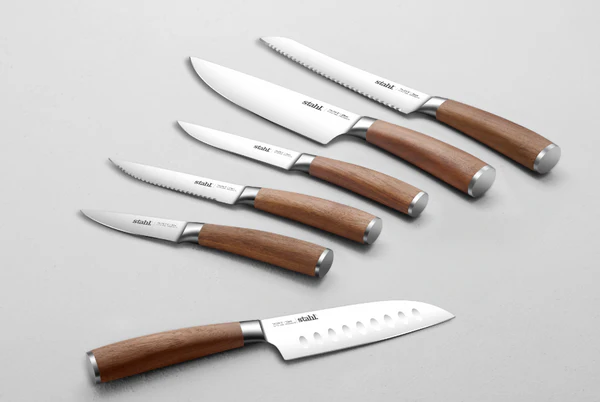
The global kitchen knives market is evolving from a utilitarian commodity into a category defined by professional-grade performance and aesthetic craftsmanship. As cooking transforms into a lifestyle pursuit and the food service industry faces a resurgence in emerging markets, the tools used to prepare meals are undergoing a technological and design renaissance.
The global kitchen knives market size was valued at USD 2,256.5 Million in 2025 and is projected to reach USD 4,179.6 Million by 2036, expanding at a CAGR of 5.6% from 2026 to 2036. This steady climb is fueled by the "premiumization" of home kitchens and the rapid expansion of global HoReCa (Hotel, Restaurant, and Cafe) sectors.
- Primary Growth Drivers: Culinary Media and Hospitality Expansion
The journey toward USD 4.2 Billion is anchored in a shift toward specialized, high-performance tools:
- The "Chef Culture" Influence: The sustained popularity of culinary television, social media influencers, and "foodie" culture has educated home cooks on the importance of knife geometry and steel quality. This has moved the consumer preference from generic knife blocks to curated sets of Santoku, Nakiri, and precision paring knives.
- HoReCa Resurgence: Rapid urbanization in India, Southeast Asia, and the GCC countries is driving a massive expansion of dining establishments. Professional kitchens, which require frequent replacement cycles and durable, NSF-certified equipment, remain the primary volume engine.
- Home Cooking as Wellness: Post-pandemic lifestyles have solidified home cooking as a pillar of health and wellness. Consumers are increasingly willing to invest in ergonomic designs that reduce hand fatigue and ensure safety during extended meal preparation.
- Technological Evolution: Powdered Steel and Laser Customization
By 2036, material science and digital manufacturing have pushed knife performance to unprecedented levels:
- Powdered Metallurgy Steel: The use of high-tech powdered steels (like SG2 or R2) is becoming more accessible. These materials offer superior edge retention and corrosion resistance, allowing for thinner, sharper blades that stay "razor-sharp" significantly longer than traditional forged steel.
- Digital Personalization: Advanced 3D laser configurators and high-contrast laser engraving are allowing both professional chefs and home enthusiasts to create bespoke, one-of-a-kind tools with custom graphics, logos, and textures without compromising the blade’s structural integrity.
- Sustainable Manufacturing: Leading brands are shifting toward recycled steel alloys and bio-composite handles (such as those made from recycled ocean plastics or sustainable bamboo). Eco-friendly production is no longer a niche; it is a prerequisite for entry into the European and North American markets.
- Market Segments: Stamped vs. Hand-Forged
The market bifurcates between high-volume efficiency and artisanal prestige:
- Stamped Blades (Market Leader): Due to their affordability and lightweight nature, stamped knives continue to dominate the mass market and high-turnover commercial kitchens.
- Hand-Forged & Damascus Segments (Fastest Growing): Artisanal knives featuring layered Damascus patterns and traditional Japanese forging techniques are seeing the fastest growth in value. These "heritage" pieces are increasingly treated as investment assets and status symbols in high-end households.
- Size Preferences: The 7-to-9-inch Chef’s Knife remains the "workhorse" of the industry, accounting for the largest share of revenue due to its multi-functional utility for both home and professional users.
- Regional Outlook: Culinary Traditions and Growth Zones
- Europe (27%+ Market Share): Led by Germany (Solingen) and France, Europe remains the historical heart of the industry. The market is defined by a strong focus on high-quality craftsmanship, sustainability, and a mature replacement market.
- Asia-Pacific (The Growth Engine): Boasting the highest CAGR, the region is benefiting from a dual surge in the middle class and a global obsession with Japanese-style blades. China and Japan are not only massive consumers but also dominant exporters of high-grade steel.
- North America: Growth is driven by the premiumization trend and a robust gifting culture. The U.S. market shows high demand for specialized knives and celebrity-endorsed brands that emphasize ergonomic safety.
Conclusion: From Tool to Artform
Reaching a valuation of USD 4,179.6 Million by 2036 signifies the kitchen knife's transition from a simple kitchen tool to a specialized piece of precision engineering. By 2036, the most successful brands will be those that can harmonize ancient forging traditions with modern AI-driven manufacturing, offering products that are as durable and safe as they are beautiful.
