

How Many Days Are Needed for Mera Peak Climbing Adventure?
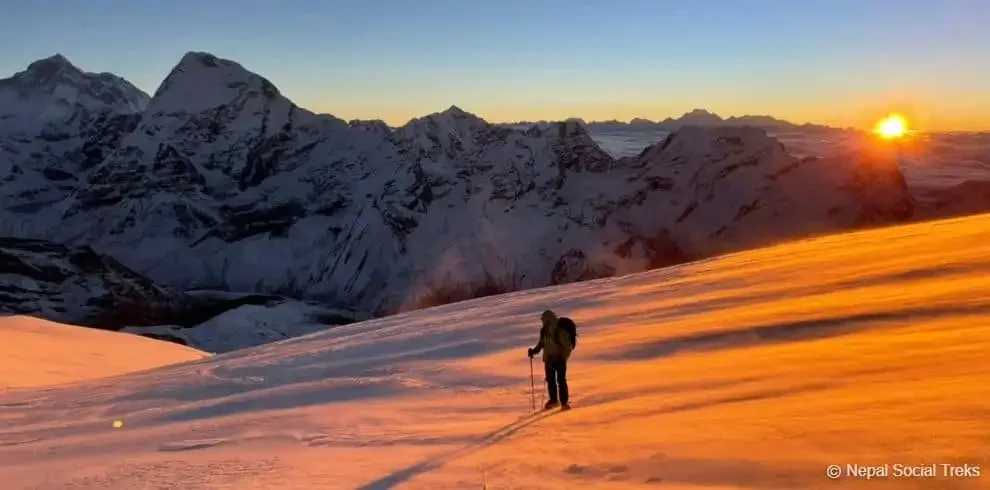
The Himalayas feel like a dream from far away, but when you step closer, that dream becomes real. One of the most exciting goals for trekkers is Mera Peak. It is the highest trekking peak in Nepal and stands at 6,476 meters. Many travelers ask a simple question before planning: how many days are needed for this adventure? The answer depends on the route, fitness, and weather. Most Mera Peak journeys take around 16 to 22 days. With the support of Nepal Social Treks, this adventure becomes safer and more organized, thanks to expert guides, clear planning, and full expedition support.
A Journey That Builds Step by Step
Mera Peak is not just about reaching the top. It is a long journey through remote valleys and quiet mountain trails. The adventure starts with a flight to Lukla or a drive to nearby trailheads. From there, the trek slowly climbs through forests, rivers, and small villages.
Each day brings new views. You walk through rhododendron forests, cross suspension bridges, and pass peaceful Sherpa settlements. The trail is less crowded than Everest routes, which makes it feel calm and pure.
Nepal Social Treks helps plan this journey step by step. They organize transport, permits, guides, and porters. Their team ensures trekkers follow a safe and well-paced route from start to finish.
Average Duration of Mera Peak Climbing
Most climbers need around 16 to 22 days to complete the full Mera Peak expedition. This includes trekking, acclimatization, climbing practice, and summit day.
Here is a simple breakdown:
- 2–3 days: travel and start of trek
- 7–9 days: trekking to Mera Base Camp
- 2–3 days: acclimatization and climbing training
- 1–2 days: summit push and return
- 4–5 days: descent back to lower villages
This timeline can change depending on weather and how your body adjusts to altitude.
Nepal Social Treks creates flexible itineraries based on your fitness level. They adjust rest days and pace to help climbers stay safe and strong.
Why Mera Peak Takes Time
Mera Peak is not a technical climb, but it is a high-altitude challenge. The main difficulty is the height, not the difficulty of climbing skills. At 6,476 meters, the air is very thin. Your body needs time to adjust.
That is why slow walking is important. Rushing can cause altitude sickness. Climbers must take rest days to adapt to less oxygen in the air.
Weather also plays a big role. Snow, wind, and cold temperatures can slow progress. A good expedition always includes extra days for safety.
With Nepal Social Treks, climbers receive proper acclimatization plans and expert advice. Their guides monitor health and ensure a steady, safe pace.
The Trek to Base Camp
Reaching Mera Base Camp is one of the most important parts of the journey. This section alone takes several days. The trail passes through remote valleys like Paiya, Panggom, and Kothe.
There are no big hotels or busy roads here. Only small teahouses and quiet mountain paths. This makes the journey peaceful but also more demanding.
Food and accommodation are simple, but enough to support the trek. The beauty of this section is in its silence and nature.
Nepal Social Treks organizes comfortable teahouse stays and ensures trekkers are well-fed and well-rested during this stage.
Acclimatization and Training Days
Before climbing higher, climbers must adjust to altitude. This is called acclimatization. It is one of the most important parts of the Mera Peak adventure.
At higher camps, climbers may practice using ropes, crampons, and ice axes. These skills help during the final summit push.
These extra days are not wasted time. They are necessary for safety and success.
Nepal Social Treks provides professional climbing guides who teach basic mountaineering skills. They make sure even beginners feel confident before the summit attempt.
Summit Push: The Final Challenge
The summit push usually starts very early in the morning. Climbers walk under the stars and head toward the top of Mera Peak. The climb is long, cold, and slow.
But the reward is incredible. From the summit, you can see Everest, Lhotse, Makalu, Cho Oyu, and many other giant peaks. The view feels endless.
After reaching the top, climbers return to base camp or lower camps. This whole process takes about 1–2 days.
With Nepal Social Treks, climbers are supported by experienced Sherpas who guide every step of the summit journey. Safety and teamwork are always the top priority.
Descent: The Journey Back
Coming down is faster but still important. The descent takes around 4 to 5 days depending on the route. Climbers return through the same villages and valleys.
Even though the climb is finished, fatigue can be strong. Careful walking is needed to avoid injury.
This part of the journey also gives time to reflect on the experience. Many climbers say the descent feels peaceful after the hard summit push.
Nepal Social Treks continues to support climbers until they safely return to Kathmandu, ensuring a smooth end to the expedition.
Final Thoughts: How Many Days Do You Really Need?
So, how many days are needed for Mera Peak climbing? The simple answer is 16 to 22 days. But the real answer is more than just numbers. It is about patience, safety, and enjoying the journey step by step.
Mera Peak is not just a climb. It is a full Himalayan experience. You walk through forests, sleep in mountain villages, learn climbing skills, and stand on a 6,476-meter summit. It is a journey that changes how you see yourself and the world.
With Nepal Social Treks, this adventure becomes well-planned and safe. Their experienced guides, proper acclimatization plans, and full expedition support help climbers turn a dream into reality.
If you are ready for a true Himalayan challenge, Mera Peak is waiting — and every day of the journey will be worth it.
 English