

Why Beekeepers Around the World Paint Bee Hives Differently
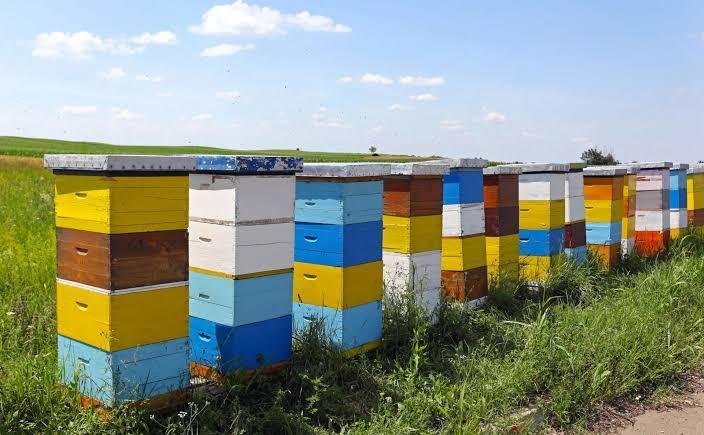
Beekeeping is full of interesting traditions and practices, and one of the most colorful is the way beekeepers paint their hives. If you travel around the world, you’ll notice that bee hives come in all sorts of colors — from bright blues and greens to soft pastels and even bold patterns.
This isn’t just for fun. Painting hives has practical purposes that help both bees and beekeepers. Whether you are a beginner wearing your first full-body beekeeping suit or an experienced beekeeper managing dozens of colonies, knowing why hives are painted differently can make your beekeeping journey more successful.
1. The Main Reasons Beekeepers Paint Their Hives
Painting bee hives is not only about making them look nice. It serves several important purposes:
-
Protecting the wood – Paint helps protect the hive boxes from rain, sunlight, and moisture. This means the hive lasts longer.
-
Temperature control – Light colors reflect heat, helping keep the hive cool in summer. Dark colors absorb heat, helping in cold climates.
-
Helping bees find their home – Bees have excellent vision and can recognize colors. Painted hives help them quickly find the right entrance, reducing confusion and fights between colonies.
-
Personal identification – In large apiaries or shared beekeeping areas, colors help beekeepers identify which hives belong to them.
2. Why Colors Vary Around the World
The choice of color often depends on the climate, culture, and personal preference of the beekeeper. Here are some common differences:
In Hot Countries
-
Light colors like white, cream, or pale yellow are common.
-
They reflect sunlight and keep the hive cooler.
-
This helps prevent the wax inside from melting in extreme heat.
In Cold Countries
-
Dark colors like green, brown, or dark blue are often used.
-
These colors absorb heat from the sun and help the hive stay warm in winter.
-
A warmer hive means less stress on the bees and lower food consumption.
In Traditional Areas
-
Some countries have cultural patterns or symbols painted on hives.
-
In Eastern Europe, bright floral or geometric designs are popular.
-
In parts of Africa, natural clay or earthy tones are used to blend with the environment.
3. How Painting Helps Bees Avoid “Drifting”
Bee drifting happens when bees accidentally enter the wrong hive. This can spread diseases and cause fights. By painting hives in different colors, beekeepers:
-
Make it easier for bees to recognize their own home.
-
Reduce stress in the colony.
-
Keep the hive healthier.
This is especially important when many hives are placed in a row.
4. Steps to Paint a Bee Hive the Right Way
If you want to paint your hives properly, follow these steps:
Step 1 – Wear Protective Gear
Even though you might not have bees inside the hive while painting, it’s smart to wear your full-body beekeeping suits if the hives are in an active apiary. This keeps you safe if curious bees come to investigate.
Step 2 – Choose Safe Paint
-
Use non-toxic, water-based exterior paint.
-
Avoid paints with strong chemical odors — bees are sensitive to smell.
Step 3 – Pick the Right Color
-
Light colors for hot areas.
-
Dark colors for cold areas.
-
Mix colors or patterns for bee navigation.
Step 4 – Prepare the Hive Surface
-
Sand any rough spots.
-
Make sure the wood is clean and dry.
Step 5 – Apply the Paint
-
Use a brush or roller for smooth coverage.
-
Paint the outside only — never paint inside the hive where bees live.
-
Allow it to dry fully before adding bees.
5. Common Color Choices and Their Benefits
|
Color |
Benefit |
Best for |
|
White |
Reflects heat |
Hot climates |
|
Blue |
Easy for bees to see |
Mild climates |
|
Green |
Blends with nature |
Rural or forest areas |
|
Yellow |
Bright and cheerful |
Moderate climates |
|
Brown |
Absorbs heat |
Cold climates |
6. Fun Ideas for Painting Bee Hives
Some beekeepers enjoy turning their hives into pieces of art. Here are a few ideas:
-
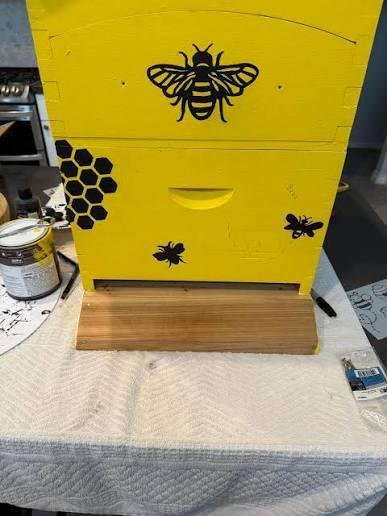
Paint flowers or trees on the hive to make it blend into a garden.
-
Use patterns like stripes or polka dots for easy bee navigation.
-
Add your name or logo for easy identification.
-
Use different colors for each hive in a row.
Remember: The design should always be practical as well as beautiful.
7. How Painted Hives Help Beekeepers
Painting hives is not only for the bees — it makes life easier for beekeepers too.
-
Easy to spot wear and tear – If the paint is peeling, you know the wood needs attention.
-
Simplifies record-keeping – If you note “green hive” or “blue hive” in your beekeeping log, it’s easy to remember which colony you checked.
-
Prevents accidental hive mixing – When moving hives, colors help you put them back in the right place.
8. Safety Tip: Always Use Your Full-Body Beekeeping Suit
When working near bees — whether painting, inspecting, or feeding them — safety comes first. A full-body beekeeping suit is essential for protection, but it works even better when paired with high-quality beekeeping gloves.
-
Protects you from stings – The suit and gloves create a strong barrier so bees can’t reach your skin.
-
Keeps you calm – Knowing you’re fully covered allows you to work more carefully and with less stress.
-
Prevents hand injuries – Gloves not only stop stings but also protect your hands when handling rough wooden hive parts.
-
Lets you focus – With proper gear, you can work without constantly worrying about getting hurt.
Even experienced beekeepers rely on their suit and gloves, especially during tasks that disturb the bees.
If you are starting out or need to replace old gear, it’s best to buy from trusted beekeeping suppliers. They offer reliable full-body beekeeping suits, ventilated gloves, and other protective equipment designed to keep you safe while working with your hives.
Conclusion
Beehive colors are more than just decoration — they are an important part of beekeeping around the world. From keeping hives cool in hot climates to helping bees find their way home, painted hives make a real difference in bee health and beekeeper success.
Whether you choose classic white, bright yellow, or a colorful pattern, the key is to paint with purpose. Protect the wood, help your bees, and make your apiary a place that’s both beautiful and functional.
And remember — whenever you’re working near your hives, your full-body beekeeping suit is your best friend. It keeps you safe, comfortable, and ready to enjoy all the wonderful work of caring for bees.
 English