

Future of Smart Home Technology
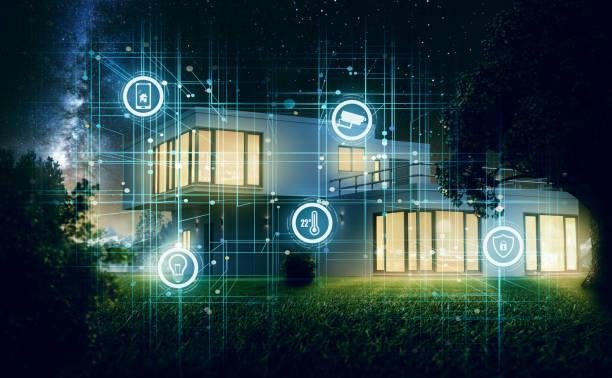
Future of Smart Home Technology: What Comes Next
Smart homes have evolved far beyond voice controlled lights and smart speakers. Today, connected devices can manage security, monitor energy use, automate daily routines, and improve overall comfort. The future of smart home technology promises even greater innovation as artificial intelligence, advanced sensors, and seamless device integration transform how people interact with their homes.
As technology continues to mature, homes will become more intelligent, adaptive, and personalized. Instead of requiring manual commands, future smart homes will anticipate needs, learn habits, and make decisions that enhance convenience while saving time and energy. Understanding these emerging trends helps homeowners prepare for smarter investments and better living experiences.
How Smart Home Technology Is Evolving
The future of smart home technology is centered on creating living spaces that think, learn, and respond naturally. Rather than simply connecting devices to the internet, next generation systems combine artificial intelligence, machine learning, cloud computing, and edge processing to create a unified ecosystem.
Instead of managing separate apps for lighting, security, climate control, and entertainment, homeowners will increasingly rely on centralized platforms that coordinate every connected device automatically. This shift creates a smoother, more intuitive experience while reducing complexity.
Artificial Intelligence Will Become the Brain of the Smart Home
Artificial intelligence is expected to play the most significant role in future smart homes. AI systems will recognize routines, predict preferences, and automate daily activities without constant user input. If a homeowner regularly adjusts lighting, room temperature, and music after work, the system will eventually perform those actions automatically.
Machine learning will also improve over time by analyzing behavior patterns while respecting privacy through more local processing on devices rather than sending every piece of data to the cloud.
Connected Ecosystems Will Replace Individual Smart Devices
One of the biggest changes ahead is the movement from isolated smart gadgets toward fully connected ecosystems. Devices from different manufacturers are increasingly becoming compatible through universal connectivity standards, making setup easier and improving long term reliability.
This interconnected approach allows security systems, appliances, lighting, heating, cooling, and entertainment systems to communicate seamlessly. Instead of operating independently, every device contributes to a coordinated smart living environment that responds intelligently to changing conditions.
Homeowners interested in creating an integrated ecosystem can also explore smart home decoradtech for practical ideas on combining modern design with connected technology.
Smarter Automation Will Feel More Natural
Future automation will rely less on scheduled routines and more on real time awareness. Motion sensors, occupancy detection, weather forecasts, indoor air quality monitors, and wearable devices will provide contextual information that enables homes to respond automatically.
For example, blinds may close before afternoon heat raises indoor temperatures, while ventilation systems adjust airflow based on humidity or air quality. These automated decisions improve comfort while reducing unnecessary energy consumption.
Energy Efficiency Will Drive Future Innovation
Energy management is becoming one of the strongest motivations for adopting smart home technology. Future systems will actively optimize electricity usage based on utility pricing, weather conditions, solar energy production, and household activity.
Smart thermostats will coordinate with connected windows, insulation sensors, and weather services to maintain comfortable temperatures using the least amount of energy possible. Appliances may automatically operate during off peak electricity hours, helping homeowners reduce utility bills without sacrificing convenience.
As renewable energy adoption increases, smart homes will also integrate more effectively with solar panels, battery storage systems, and electric vehicle charging stations. These systems will intelligently balance energy generation, storage, and consumption throughout the day.
Home Security Will Become More Predictive
Security technology continues to advance beyond traditional cameras and alarms. The future of smart home technology includes predictive security systems capable of identifying unusual activity before incidents occur.
AI powered cameras will distinguish between family members, visitors, delivery personnel, pets, and potential intruders with greater accuracy. Instead of sending constant notifications, systems will prioritize meaningful alerts based on behavior analysis and environmental context.
Biometric authentication, facial recognition, digital identity verification, and encrypted communication will strengthen home security while simplifying access for authorized residents. Privacy protections are also expected to improve as more data processing occurs directly on local devices.
Health and Wellness Will Become Core Features
Future smart homes will increasingly support healthier living environments. Indoor environmental monitoring will track temperature, humidity, air quality, allergens, and carbon dioxide levels continuously.
Smart ventilation systems may automatically increase fresh airflow when pollutants rise, while intelligent lighting adjusts brightness and color temperature to support natural sleep cycles. Connected kitchens could monitor food freshness, suggest healthier meal planning, and reduce food waste.
Technology may also assist aging adults through fall detection, medication reminders, remote health monitoring, and emergency communication systems that help individuals maintain independence while providing reassurance for family members.
Voice Control Will Expand Beyond Simple Commands
Voice assistants will become significantly more conversational and context aware. Rather than requiring precise commands, users will interact naturally with AI systems that understand follow up questions, preferences, and situational context.
Instead of saying multiple commands, someone might simply ask the home to prepare for bedtime. The system could lock doors, dim lights, adjust room temperature, activate security monitoring, and silence unnecessary notifications automatically.
Natural language processing improvements will make conversations feel more human while reducing friction between people and technology.
Privacy and Cybersecurity Will Shape Consumer Trust
As homes become increasingly connected, protecting personal information becomes more important. Future smart home technology will likely emphasize stronger cybersecurity measures, including end to end encryption, multi factor authentication, and local data processing.
Manufacturers are investing in security by design principles, ensuring that privacy protections are built into products from the beginning rather than added later. Consumers are also becoming more aware of software updates, secure passwords, and network protection as essential parts of maintaining connected homes.
Building trust through transparent privacy practices will remain essential as smart technology becomes more deeply integrated into everyday life.
What Homeowners Should Consider Today
Although many advanced capabilities are still developing, homeowners can prepare by investing in devices that support open connectivity standards and regular software updates. Choosing products designed for interoperability helps avoid compatibility issues as technology evolves.
Scalable systems also provide long term flexibility. Instead of replacing an entire setup every few years, homeowners can gradually add compatible devices that expand functionality while protecting their original investment.
The best smart home strategy focuses on solving real household needs rather than purchasing technology simply because it is new. Prioritizing convenience, energy savings, security, and reliability creates lasting value.
The Future of Smart Home Technology
The future of smart home technology is about far more than adding connected gadgets. It represents a shift toward intelligent living environments that learn, adapt, and improve everyday life. Artificial intelligence, advanced automation, predictive security, energy optimization, and health focused features are all contributing to homes that are more responsive and efficient than ever before.
As innovation continues, successful smart homes will not be defined by the number of devices they contain but by how seamlessly those technologies work together. Homeowners who embrace flexible, secure, and interoperable solutions today will be well positioned to benefit from the next generation of connected living tomorrow.
Frequently Asked Questions
What is the future of smart home technology?
The future of smart home technology involves AI powered automation, predictive intelligence, better energy management, stronger cybersecurity, and seamless integration between connected devices to create more personalized and efficient homes.
Will artificial intelligence improve smart homes?
Yes. AI will help smart homes learn user habits, automate daily routines, improve energy efficiency, strengthen security, and deliver more personalized experiences without requiring constant manual control.
Are future smart homes more energy efficient?
Absolutely. Future systems will optimize electricity usage, coordinate renewable energy sources, manage appliance schedules, and reduce unnecessary power consumption through intelligent automation.
Will smart homes become more secure?
Modern smart homes are expected to feature advanced encryption, biometric authentication, AI powered threat detection, and improved local data processing, making connected living more secure and privacy focused.
Is it worth investing in smart home technology now?
Yes. Choosing compatible, upgradeable devices today allows homeowners to build a flexible smart home ecosystem that can easily adapt to future innovations without requiring complete replacement.
 English