

How Cupping Therapy Became Popular in Modern Healthcare
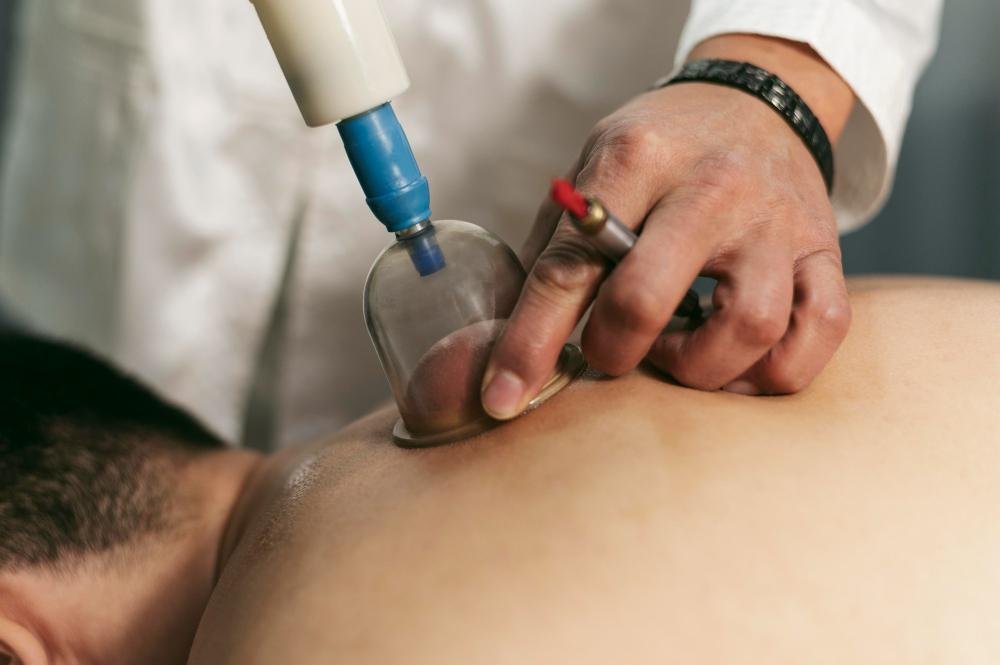
Cupping therapy has moved from a traditional wellness practice into a treatment many people now associate with modern recovery care. Its growing popularity is not accidental. As more patients look for non-drug ways to manage muscle tightness, fatigue, stress-related tension, and slow recovery, cupping has found a place in conversations about supportive, hands-on therapies.
At its core, cupping therapy uses controlled suction on the skin to encourage local circulation and tissue movement. That simple mechanism is part of why it has remained relevant across different health systems and why today’s patients are increasingly curious about it. For some, it is the visible circular marks that catch attention. For others, it is the idea that the body may respond better when pressure, stagnation, and tightness are addressed directly.
Wet Cupping - A Traditional Method with New Relevance
Cupping therapy has a long history in multiple cultures, but its renewed visibility comes from a modern shift in patient expectations. Many people now want care that feels supportive rather than aggressive. They want options that fit into a broader wellness or rehabilitation plan without immediately turning to medication or invasive procedures.
That change in preference has helped cupping therapy gain traction in physical therapy settings, sports recovery programs, and integrative medicine clinics. It is often discussed as part of a larger approach to musculoskeletal health, where soft tissue work, movement, hydration, and recovery strategies are combined. In that setting, cupping is not viewed as a cure-all. It is viewed as one tool that may help the body respond more efficiently to physical stress.
Another reason for its rise is accessibility. Cupping sessions are typically straightforward, which makes them appealing to patients who want something practical and easy to understand. The treatment does not require complicated equipment or a long recovery period, which adds to its appeal in busy modern healthcare environments.
The Treatment Process
In a typical session, cups are placed on the skin to create suction. This suction may be produced with heat or with a mechanical device, depending on the style of treatment. The effect is a gentle lift of the skin and soft tissue, which may help promote circulation in the area being treated.
Patients often seek cupping therapy for regions that hold tension, especially the back, neck, shoulders, and legs. The sensation is different from massage because rather than pressing into tissue, the cups lift it. Some people find this more comfortable, especially if direct pressure feels too intense.
The marks that sometimes appear afterward are usually part of the treatment experience. They often reflect localized blood flow changes rather than injury. For many patients, those marks are simply a sign that the tissue was affected in a noticeable way.
Reasons People Seek Wet Cupping Therapy
Modern healthcare is increasingly shaped by people who want to participate actively in their own care. Cupping therapy appeals to that mindset because it feels both familiar and structured. Patients can see the treatment, feel the suction, and understand that it is intended to support circulation and ease tension.
Common reasons people explore cupping therapy include:
- Tight muscles that do not respond well to stretching alone.
- General stiffness after long work hours or physical strain.
- Recovery support after athletic activity.
- A desire for non-pharmaceutical comfort measures.
- Interest in integrative or natural wellness options.
For many patients, the attraction is not that cupping replaces other care. It is that cupping fits alongside other recovery strategies. Someone dealing with chronic neck tension may benefit from posture work, exercise, and cupping together. A runner recovering from overtraining may use cupping as part of a broader recovery plan. That flexibility has helped make it more visible in modern clinics.
The Role of Cupping in Integrative Care
One of the main reasons cupping therapy remains popular is its adaptability. It can be used in wellness-focused settings, rehabilitation plans, and pain-management discussions. In each case, the goal is usually similar: reduce localized tension and support a better physical environment for healing.
Healthcare providers are also more open to therapies that are easy to integrate with other approaches. Cupping does not usually require a patient to stop their regular movement program or basic care plan. Instead, it may be added as a supportive technique that complements the rest of treatment.
This is part of why cupping has survived the gap between tradition and modernity. It offers a concrete physical effect without feeling overly complicated. In a healthcare landscape where patients often feel overwhelmed by choices, that simplicity is valuable.
What Patients Should Keep in Mind
As popular as cupping therapy has become, realistic expectations still matter. It is best understood as a supportive therapy rather than a replacement for medical evaluation. If pain is severe, persistent, or worsening, the underlying cause should be assessed by a qualified clinician.
Patients should also ask whether the practitioner uses dry cupping, wet cupping, or another approach, since the techniques are not identical. Hygiene, training, and proper screening are essential, especially when suction is being applied to sensitive or inflamed areas. A responsible provider will explain what to expect, who may benefit, and who should avoid treatment.
Wet Cupping Therapy – An approach That Stayed Relevant
Cupping therapy became popular in modern healthcare because it meets a real need. Patients want options that are understandable, non-invasive, and compatible with broader recovery goals. Cupping offers exactly that: a simple technique with a long history and a renewed role in present-day care.
Its popularity is not based on trend alone. It reflects a larger shift toward therapies that help the body recover more comfortably and naturally. For many people, that makes cupping therapy not just a traditional practice, but a practical part of modern wellness.
 English