

Funansheng Explains: Is Rice a Safe Coffee Grinder Cleaning Solution
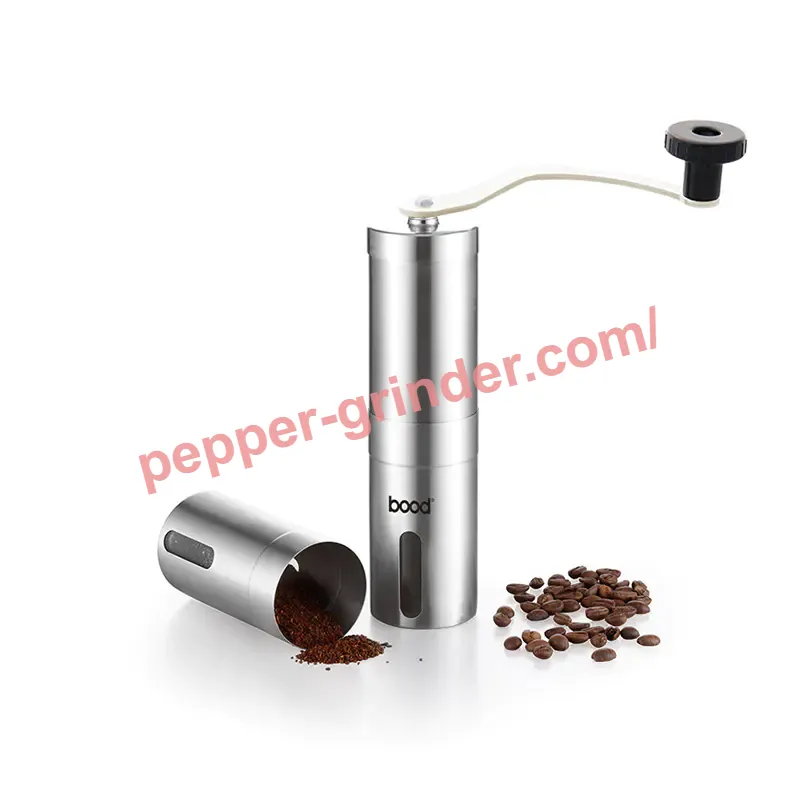
Home coffee enthusiasts routinely seek effective methods to maintain their grinding equipment. Coffee beans contain natural oils that gradually accumulate on burrs and blades, potentially affecting flavor extraction. A widely circulated kitchen hack suggests using rice to absorb these oils and dislodge grounds. This practice raises a fundamental question for appliance owners: does placing ordinary rice into a Coffee Grinder from pepper-grinder actually deliver a safe cleaning outcome?
The rice cleaning method holds surface appeal because it seems straightforward and uses an inexpensive household ingredient. Proponents argue that grinding dry rice absorbs built-up oils and residue, leaving the grinding chamber noticeably cleaner. This approach appears particularly convenient for blade-style grinders, where disassembly proves difficult and residue accumulates rapidly between uses. The pulverized rice creates an abrasive action that scrubs away stubborn deposits without requiring harsh chemicals or extensive manual effort.
However, fundamental differences exist between whole peppercorns and uncooked rice grains. Rice exhibits greater hardness than coffee beans, creating potential strain on the grinding mechanism. This hardness differential becomes especially concerning for burr grinders, which rely on precise alignment between two grinding surfaces. Running rice through such equipment risks damaging the cutting edges, potentially compromising grind consistency and extraction quality. Several manufacturers specifically warn against this practice and may void warranties if rice-related damage occurs.
The starch content present in rice introduces additional complications. When ground, rice produces a fine, flour-like powder that can adhere to internal components and create clogs. This residue may prove difficult to remove completely, potentially affecting subsequent coffee batches with an undesirable starchy taste. Some users attempt to address this by using instant rice, which exhibits softer texture and lower starch content. Even with this modification, thorough post-cleaning remains essential to eliminate all traces of rice powder.
Regular cleaning frequency and method depend largely on grinder usage patterns and type. Blade grinders, commonly found in home kitchens, respond more favorably to the rice technique due to their simpler construction and replaceable parts. Burr grinders, preferred by many serious coffee drinkers for their consistent particle size distribution, require more careful maintenance approaches. Disassembly and manual cleaning with appropriate brushes often proves safer and more effective for these precision instruments.
Proper cleaning extends beyond removing visible particles. Coffee oils can turn rancid over time, creating off-flavors that compromise beverage quality. Equipment longevity also depends on addressing fine dust accumulation, which can overwork motors and accelerate wear. Whether choosing rice or alternative methods, regular attention to grinder cleanliness contributes meaningfully to both equipment lifespan and coffee quality.
For those seeking reliable maintenance options, commercial cleaning tablets offer a designed-for-purpose alternative. These products dissolve oils effectively without introducing hardness concerns or residual starches. Their composition closely matches the characteristics of coffee beans, minimizing stress on grinding mechanisms. Some manufacturers of these tablets incorporate rice-derived ingredients, suggesting that rice components can be useful when processed appropriately for the application. This distinction matters significantly for preserving equipment integrity.
The internet contains many compelling demonstrations showing rice cleaning successes, particularly on blade grinders. These videos often lack context about grinder type, rice variety, or subsequent cleaning steps. Following such demonstrations without understanding the equipment involved can lead to unintended consequences. Recognizing these limitations allows users to make appropriate choices for their specific grinder design and usage frequency.
Comprehensive product information and maintenance guidance for grinders appears at https://www.pepper-grinder.com/, where Funansheng details specifications and care recommendations. The resource covers material composition, operational instructions, and general upkeep practices applicable across product lines. Understanding proper maintenance protocols helps users preserve equipment function while avoiding practices that may introduce unnecessary wear. A Coffee Grinder represents an investment in daily coffee quality, and its care deserves thoughtful consideration. Given the conflicting advice surrounding this topic, does the convenience of the rice cleaning method justify the potential risks to your grinder?
 English