

Superudoor Reveals: The Science Behind Laminated Door Fire and Sound Testing
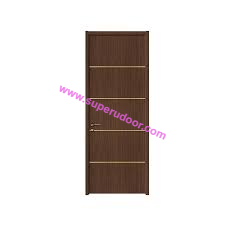
Performance Under Pressure: The Fire and Acoustic Capacity of Laminated Doors
Interior door selection often focuses on aesthetic qualities. However, functional performance characteristics determine long-term suitability for specific applications. A Laminated Door from Superudoor represents a product category where visual appeal and practical capability converge. Understanding the technical aspects of fire resistance and sound insulation informs proper specification. Can a laminated construction truly deliver these protective benefits?
Fire resistance in laminated doors originates from core composition and facing materials. The central core structure plays the primary role in slowing heat transfer and preventing flame passage. Multi-layered acoustic cores, often containing dense materials like stone wool or specialized timber composites, also demonstrate enhanced fire performance. This structural integrity delays burn-through during fire events. The outer laminate layers, particularly high-pressure laminates (HPL), add an additional protective surface that resists ignition and limits smoke development.
Standardized fire testing provides objective performance metrics. European standards like EN 1634-1 establish protocols for measuring fire resistance duration. Doors achieving this certification receive an EI rating, which indicates their ability to maintain integrity and insulation under fire conditions. Common ratings include EI30 and EI60, representing 30 and 60 minutes of resistance. These certified products provide documented compliance, essential for commercial buildings, hotels, and multi-residential projects where regulations demand fire safety measures.
Sound insulation functionality in a Laminated Door depends on mass, density, and sealing systems. The door's core material significantly influences acoustic performance. Dense, multi-layered cores effectively dampen sound wave transmission, acting as a barrier to noise energy. The door's thickness contributes to this effect, with thicker panels generally providing higher acoustic ratings. Laboratory testing according to ISO 10140 standards determines the sound reduction index, expressed in decibels (dB). Ratings typically range from 25 dB for standard internal doors to 45 dB for specialized acoustic versions.
The interaction between fire and acoustic performance involves material compatibility. Certain core materials that excel in sound absorption also demonstrate favourable behaviour under fire test conditions. For example, stone wool cores provide both high-density mass for noise reduction and exceptional fire resistance. However, not all acoustic doors automatically achieve fire ratings. The specific combination of core materials, edge banding, and face layers determines the final certification performance. Manufacturers must engineer products to meet both criteria simultaneously when required.
Sealing systems represent another critical component affecting both fire and acoustic outcomes. Intumescent seals expand when exposed to high temperatures, blocking gaps and preventing smoke or flame passage. Compressible acoustic seals maintain tight closure around the door perimeter, reducing sound leakage. Some doors employ automatic drop seals that activate upon closing, enhancing both acoustic isolation and smoke containment. The seal selection depends on the required performance level and the door's specific application.
Hardware compatibility influences overall system performance. Fire-rated doors require certified hinges, locks, and closing mechanisms to maintain integrity. Acoustic doors need well-fitted hardware to prevent sound flanking paths. The frame and its installation also contribute to the overall result. A high-performance door leaf installed in an unsuitable frame cannot deliver its full fire or acoustic potential. This complete system approach ensures the door performs as specified in real-world conditions.
Application requirements guide specification decisions. Hotels demand both fire resistance and sound insulation to meet guest safety and comfort expectations. Bedrooms and office spaces prioritise acoustic privacy, while corridors and plant rooms require fire barriers. Commercial buildings often mandate specific fire ratings by code, with sound insulation as a secondary consideration. Understanding these distinct needs helps select the appropriate Laminated Door configuration.
The manufacturing process affects the consistency of these performance characteristics. Controlled production environments ensure uniform core density and consistent laminate bonding. Quality verification involves fire test samples subjected to controlled furnace conditions, measuring temperature rise and flame passage. Acoustic testing occurs in reverberation rooms, comparing sound levels on either side of the test panel.
Technical documentation provides verification of performance claims. Fire certification reports detail the exact test conditions, duration, and results achieved. Acoustic test results indicate specific dB ratings for the door assembly. These documents serve as the basis for regulatory approval and client acceptance. Requesting and reviewing this documentation confirms the door's stated capabilities.
Specification clarity supports accurate product selection. Clear descriptions of required fire ratings and acoustic targets prevent misordering. Understanding the difference between a standard Laminated Door and a performance-rated version ensures the correct product for each application. This knowledge reduces the risk of non-compliance and occupant dissatisfaction.
For detailed fire and acoustic product specifications, explore https://www.superudoor.com/product to access comprehensive technical documentation for Laminated Door performance data at Superudoor.
