

Pink Salt Exporters in Pakistan A Buyer's Guide
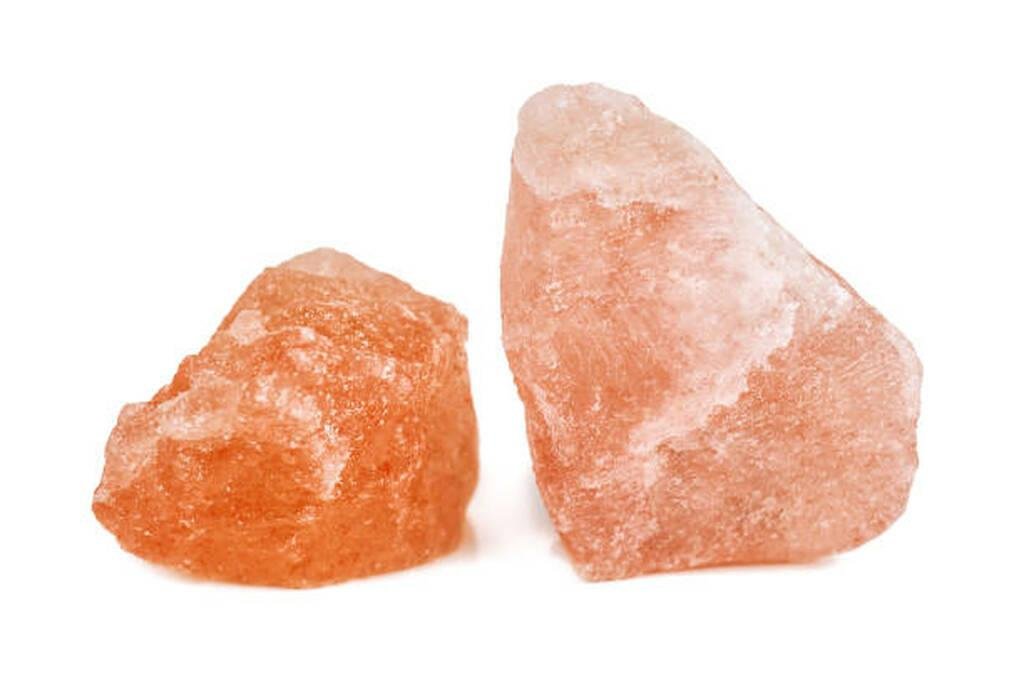
Pink salt has become one of the most recognizable natural products on the global market, prized for its distinctive color, mineral content, and versatility across food, wellness, and home decor industries. Much of the world's supply originates from the Punjab region of Pakistan, home to one of the largest salt deposits on Earth. For buyers looking to source this product internationally, understanding how the supply chain works — and what to look for in a trading partner — is essential before placing an order.
This guide walks through the fundamentals of sourcing pink salt from Pakistan, covering everything from where the mineral comes from to how shipments typically move from mine to market. It is meant as a general orientation for anyone researching the topic, not a recommendation of any particular supplier.
Understanding the Origins of Pakistani Pink Salt
Before evaluating pink salt exporters in Pakistan, it helps to understand where the product actually comes from and why the region has become such a dominant global source.
The Geological Backdrop
The salt deposits found in the Punjab foothills are part of an ancient sedimentary formation believed to have been created by the evaporation of a prehistoric sea millions of years ago. Over time, geological pressure and trace mineral deposits — primarily iron oxide — gave the salt its characteristic pink to reddish hue. This natural coloring, along with trace amounts of minerals like potassium, magnesium, and calcium, is what distinguishes it from ordinary refined table salt.
Why Global Demand Has Grown
Interest in pink salt has expanded well beyond culinary use. It's now common in bath products, decorative lamps, spa treatments, and even livestock feed. This diversification of end uses has pushed international demand higher, which in turn has increased the number of businesses involved in mining, processing, and shipping the mineral abroad. As a result, buyers today have more options than ever, but also a wider range of quality and reliability to sort through.
What Buyers Should Know Before Reaching Out to Suppliers
Sourcing internationally involves more than just finding a company willing to sell. Buyers benefit from understanding the process end-to-end so they can ask informed questions and avoid costly missteps.
Product Grades and Classifications
Pink salt is typically sorted into several grades based on particle size and intended use — from fine table-ready granules to large decorative chunks and blocks used for lamps or cooking slabs. Some batches are further classified by color intensity, since deeper pink or reddish tones are often associated with higher mineral concentration and can command different pricing. Buyers should clarify early on which grade and format suits their intended application, since a supplier's default offering may not match what a specific market segment expects.
Certifications and Quality Documentation
Reputable pink salt exporters in Pakistan generally provide documentation covering food safety compliance, laboratory mineral analysis, and country-of-origin certification. These documents matter for two reasons: they help buyers verify authenticity in a market where mislabeling has occasionally been an issue, and they are often required for customs clearance in the importing country. Common documentation includes a certificate of analysis, a health or sanitary certificate, and sometimes a certificate of origin issued by a relevant trade authority. Buyers importing for food use should also check whether the product has undergone testing consistent with the food safety standards of their own country, since requirements vary significantly by region.
Packaging and Shipment Formats
Packaging can range from small retail-ready pouches and jars to bulk sacks weighing 25 to 50 kilograms, depending on whether the buyer intends to repackage the product domestically or resell it as-is. Larger industrial buyers sometimes order in bulk via container shipment, while smaller businesses may start with sample orders in smaller packaging to test quality and market reception before scaling up. It's worth noting that packaging choices can affect both shipping costs and how the product performs during transit, since pink salt can be prone to moisture absorption if not sealed properly.
Navigating the Export and Logistics Process
Once a buyer has identified potential suppliers and confirmed product specifications, the next stage involves understanding how the goods actually move from Pakistan to the destination market.
Typical Trade Terms and Payment Structures
International trade in raw and semi-processed minerals like pink salt commonly uses standard trade terms such as FOB (Free on Board) or CIF (Cost, Insurance, and Freight), which determine who bears responsibility for shipping costs and risk at each stage of the journey. Payment structures vary as well, with some transactions handled through letters of credit for larger orders and others through partial upfront payment with the balance due before shipment. New buyers are generally advised to start with smaller trial orders to build trust and verify consistency before committing to large-volume contracts.
Shipping Routes and Transit Times
Most bulk shipments move by sea freight through major Pakistani ports, with transit times to international destinations varying widely depending on the destination country and shipping line schedules. Buyers in nearby regions may see considerably shorter transit windows than those on other continents. It's useful to factor in potential delays from customs processing, seasonal port congestion, or documentation issues, all of which can affect delivery timelines. Working through the logistics timeline in advance — rather than assuming a fixed delivery date — tends to prevent disruptions on the buyer's end, particularly for businesses that need consistent inventory flow.
Customs and Import Considerations
Every importing country has its own regulatory framework for food-grade minerals, and pink salt is no exception. Some markets require additional lab testing on arrival, while others accept the exporting country's documentation as sufficient. Import duties and tariffs also vary, which can meaningfully affect the landed cost of a shipment. Buyers should research their own country's import requirements for edible salt products well before finalizing an order, since unexpected customs holds can be costly and time-consuming to resolve.
Building a Reliable Long-Term Sourcing Relationship
Sourcing a raw mineral product internationally works best as an ongoing relationship rather than a one-off transaction. Consistent communication about order specifications, realistic lead times, and transparent documentation tends to separate smooth, long-term partnerships from ones that run into repeated friction.
Evaluating Consistency Over Time
Quality can vary slightly between mining batches due to natural variation in the mineral deposit itself. Buyers who plan to source regularly should ask about how a given supplier manages consistency across shipments, whether through blending, sorting, or batch testing. This is particularly important for buyers who need a uniform product for retail packaging or food manufacturing, where visible inconsistency between batches can affect customer perception.
Communication and Responsiveness
Because international trade involves multiple moving parts — production schedules, port bookings, customs paperwork — clear and timely communication becomes one of the most practical indicators of a trustworthy trading partner. Buyers researching pink salt exporters in Pakistan often find it useful to gauge responsiveness and clarity during initial inquiries, since how a supplier handles early questions can be a reasonable proxy for how they'll handle issues that arise mid-shipment.
Final Thoughts
Sourcing pink salt from Pakistan involves navigating a mix of geological knowledge, quality verification, and logistics planning. Buyers who take the time to understand grading systems, documentation requirements, and shipping processes are generally better positioned to build sourcing relationships that hold up over multiple orders. Working with established pink salt exporters in Pakistan who can provide clear documentation and consistent communication remains one of the most reliable ways to reduce risk in an international supply chain, particularly for buyers new to importing raw mineral products. As with any international sourcing decision, patience during the early stages — starting small, verifying documentation, and building trust incrementally — tends to pay off over the long run.
 English