

How to Manage Everyday Anxiety in a Hyperconnected World
In today's digital age, staying connected has become easier than ever. Smartphones, social media platforms, instant messaging apps, and 24/7 news updates keep us informed and engaged. However, this constant connectivity also comes with a hidden cost—rising anxiety levels. Many people feel overwhelmed by notifications, information overload, work pressures, and the expectation of being available at all times.
If you often feel stressed, restless, or mentally exhausted, you're not alone. Learning how to manage everyday anxiety is essential for maintaining mental well-being and improving your overall quality of life.
In this guide, we'll explore practical strategies to reduce anxiety, improve mental clarity, and maintain healthy digital habits in a hyperconnected world.
Understanding Anxiety in the Digital Era
Anxiety is your body's natural response to stress. While occasional anxiety is normal, persistent feelings of worry, fear, or nervousness can interfere with daily life.
The hyperconnected lifestyle contributes to anxiety through:
- Constant notifications and interruptions
- Social media comparison
- Information overload
- Fear of missing out (FOMO)
- Work-life imbalance
- Digital fatigue
- Poor sleep habits
Research shows that excessive screen time and social media use are associated with increased anxiety symptoms, particularly among young adults and working professionals.
Common Signs of Everyday Anxiety
Recognizing anxiety early can help you take proactive steps to manage it.
Emotional Symptoms
- Constant worrying
- Feeling overwhelmed
- Irritability
- Difficulty concentrating
- Racing thoughts
Physical Symptoms
- Rapid heartbeat
- Muscle tension
- Fatigue
- Headaches
- Digestive issues
Behavioral Symptoms
- Avoiding social situations
- Excessive checking of phones or emails
- Difficulty completing tasks
- Sleep disturbances
If these symptoms persist, consulting a healthcare professional is recommended.
Why Technology Can Increase Anxiety
Technology itself isn't the problem—it's how we use it.
Information Overload
Every day, we consume enormous amounts of information from news websites, social media feeds, podcasts, and messaging apps. The brain struggles to process this constant stream of data, leading to mental exhaustion.
Social Comparison
Many people compare their lives to carefully curated social media content. This can create unrealistic expectations and feelings of inadequacy.
Always Being Available
Work emails, chat platforms, and notifications blur the line between professional and personal life. This constant accessibility can prevent the brain from fully relaxing.
Fear of Missing Out (FOMO)
Seeing others attend events, achieve milestones, or enjoy experiences can trigger anxiety and self-doubt.
Practical Ways to Manage Everyday Anxiety
1. Set Digital Boundaries
One of the most effective ways to reduce anxiety is limiting unnecessary digital exposure.
Try these strategies:
- Turn off non-essential notifications
- Schedule social media usage
- Avoid checking emails after work hours
- Create phone-free zones at home
These simple habits help your brain recover from constant stimulation.
2. Practice Mindfulness Daily
Mindfulness helps bring attention back to the present moment instead of worrying about future events.
Simple mindfulness techniques include:
- Deep breathing exercises
- Meditation
- Guided relaxation
- Body scan exercises
Even five to ten minutes daily can significantly reduce anxiety levels.
3. Prioritize Physical Activity
Exercise is a natural anxiety reliever.
Regular physical activity:
- Lowers stress hormones
- Improves mood
- Boosts energy levels
- Enhances sleep quality
Activities like walking, yoga, cycling, swimming, and strength training can all be beneficial.
4. Improve Your Sleep Routine
Poor sleep and anxiety often create a vicious cycle. Anxiety can cause sleep problems, while lack of sleep increases anxiety symptoms.
Many individuals experiencing anxiety also struggle with Sleep Disorders, making quality rest even more important.
To improve sleep:
- Maintain a consistent bedtime
- Avoid screens before sleeping
- Limit caffeine intake late in the day
- Keep your bedroom cool and quiet
Better sleep often leads to improved emotional resilience.
The Link Between Anxiety and Sleep Disorders
Sleep and mental health are deeply connected. Chronic anxiety frequently contributes to insomnia and other Sleep Disorders.
Common sleep issues linked to anxiety include:
- Difficulty falling asleep
- Frequent nighttime awakenings
- Restless sleep
- Early morning waking
Addressing anxiety can significantly improve sleep quality, helping individuals feel more refreshed and focused throughout the day.
Nutrition and Anxiety Management
What you eat can influence your mental health.
Foods That Support Mental Wellness
- Leafy green vegetables
- Whole grains
- Nuts and seeds
- Fatty fish
- Fresh fruits
Foods to Limit
- Excess caffeine
- Sugary snacks
- Processed foods
- Energy drinks
Balanced nutrition supports brain function and emotional stability.
The Role of Professional Treatment
While lifestyle changes are highly effective, some individuals may require additional support.
Healthcare providers may recommend:
- Cognitive Behavioral Therapy (CBT)
- Counseling
- Stress management programs
- Prescription medications when appropriate
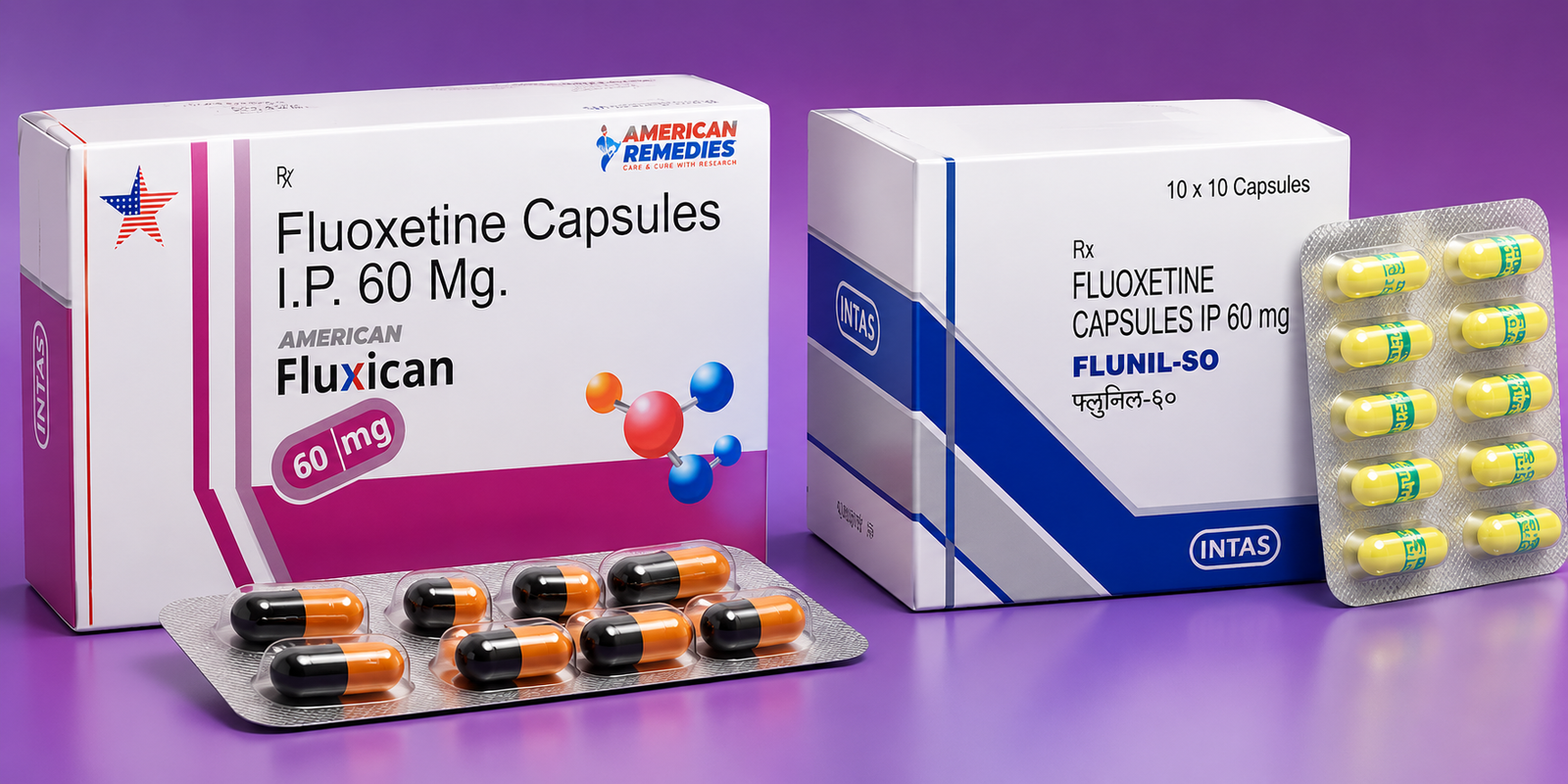
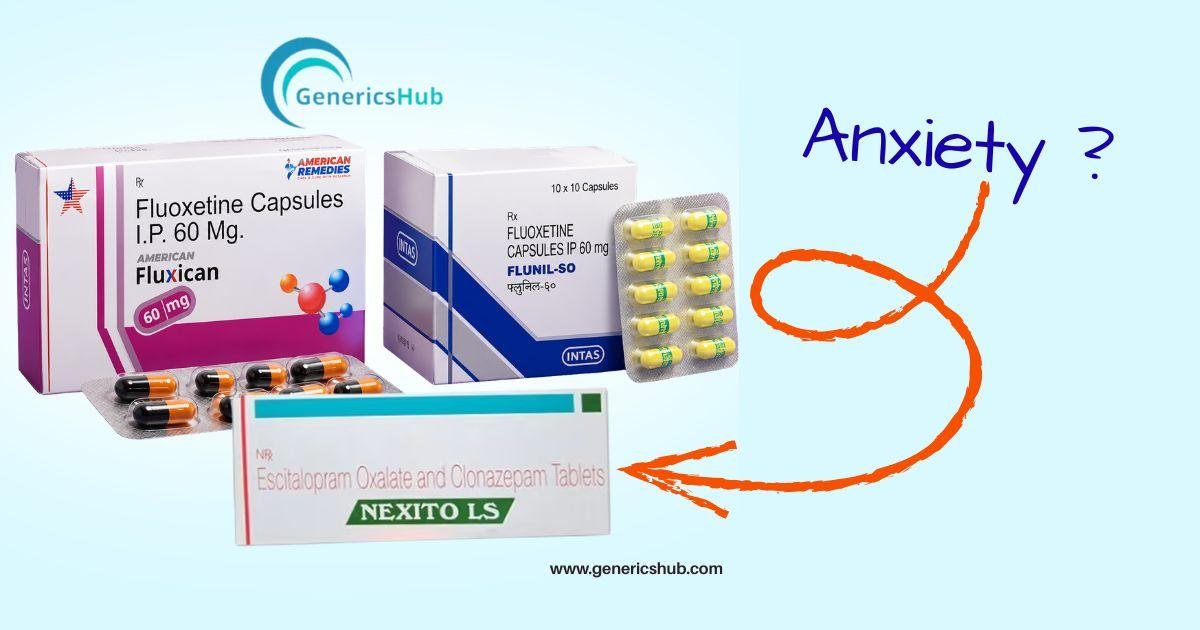
Certain medications, including Fluxican 60 Mg and Nexito LS, may be prescribed by healthcare professionals for specific anxiety-related conditions based on individual needs and medical evaluation.
It is important to use any medication only under the guidance of a qualified healthcare provider.
Staying Productive Without Increasing Anxiety
Productivity and mental wellness should work together.
Use Time Blocking
Schedule focused work sessions followed by short breaks.
Avoid Multitasking
Multitasking increases mental fatigue and reduces efficiency.
Set Realistic Expectations
Perfectionism often fuels anxiety. Focus on progress rather than perfection.
Take Regular Breaks
Short breaks help reset your attention and reduce stress.
Managing Mental Fatigue and Cognitive Performance
Many professionals, students, and shift workers experience mental fatigue due to demanding schedules and digital overload.
Some individuals discuss wakefulness-promoting medications such as Modafinil with their healthcare providers when addressing excessive daytime sleepiness associated with specific medical conditions. However, these medications should only be used under professional supervision and are not a substitute for healthy lifestyle habits.
The foundation of sustained focus remains:
- Adequate sleep
- Stress management
- Proper nutrition
- Regular exercise
- Balanced screen time
Building Healthy Digital Habits
Creating a healthier relationship with technology can dramatically reduce anxiety.
Daily Digital Wellness Checklist
- Limit social media scrolling
- Take screen breaks every hour
- Avoid doomscrolling news feeds
- Practice gratitude journaling
- Spend time outdoors
- Connect with family and friends in person
These small changes accumulate into significant mental health benefits over time.
Shop Health and Wellness Products Globally at Genericshub
For individuals seeking convenient access to healthcare products, genericshub serves customers across multiple countries, including the United Kingdom, United States, Australia, and Canada. The platform offers a wide range of medications and wellness products designed to support various healthcare needs. When purchasing health-related products online, always ensure you follow medical advice and choose trusted sources that prioritize quality, safety, and customer support.
When to Seek Professional Help
You should consider seeking professional support if anxiety:
- Persists for several weeks or months
- Interferes with work or relationships
- Causes significant sleep problems
- Leads to panic attacks
- Affects daily functioning
Early intervention often leads to better outcomes and improved quality of life.
Conclusion
Living in a hyperconnected world presents unique challenges, but anxiety doesn't have to control your life. By setting digital boundaries, improving sleep habits, exercising regularly, practicing mindfulness, and seeking professional support when necessary, you can effectively manage everyday anxiety and regain a sense of balance.
Whether you're dealing with stress from work, social media overload, or ongoing Sleep Disorders, small consistent changes can make a meaningful difference. Remember that mental wellness is a journey, and every positive step brings you closer to a calmer, healthier, and more fulfilling life.
FAQs
Can excessive screen time cause anxiety?
Yes. Excessive screen time, especially on social media and news platforms, can contribute to anxiety, stress, and mental fatigue.
How are anxiety and Sleep Disorders connected?
Anxiety often disrupts sleep patterns, while poor sleep can worsen anxiety symptoms, creating a cycle that affects overall well-being.
Is exercise effective for reducing anxiety?
Yes. Regular physical activity helps reduce stress hormones, improve mood, and support better sleep quality.
What medications are commonly prescribed for anxiety?
Healthcare professionals may prescribe medications such as Fluxican 60 Mg or Nexito LS depending on the individual's condition and medical history.
Can Modafinil help with anxiety?
Modafinil is generally used for specific sleep-related conditions and wakefulness disorders. It is not a primary treatment for anxiety and should only be used under medical supervision.
 English