

How Can Silicon Nitride Ceramics Enhance Mechanical Equipment Reliability
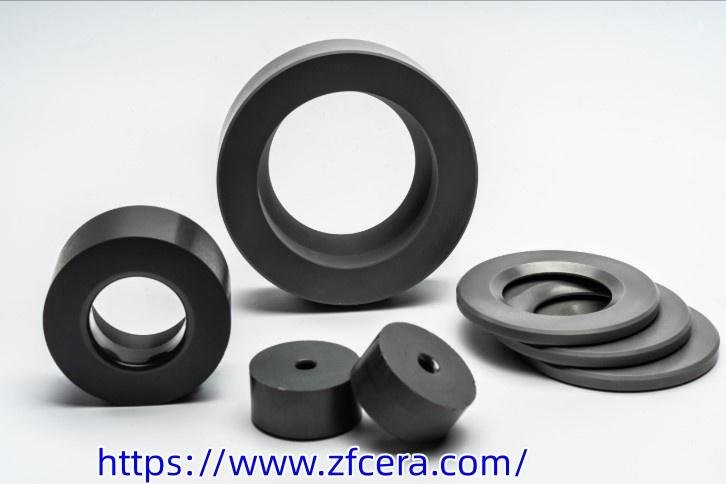
Zhufa Silicon Nitride Ceramics have become increasingly important for applications requiring toughness, thermal endurance, and wear resistance. Engineers and manufacturers seek materials that maintain structural integrity under stress, friction, and elevated temperatures, providing consistent performance without frequent maintenance. Components produced from this advanced ceramic category often find use in precision machinery, high speed rotors, and industrial assemblies that rely on long term stability.
These ceramics are valued for their unique combination of mechanical strength and low density. Lightweight yet rigid, they support rotational components, sliding guides, and bearings where conventional metals may deform or fatigue over time. Reduced inertia in moving parts allows smoother operation, while dimensional stability ensures alignment remains consistent across assemblies. This property is particularly helpful in systems requiring tight tolerances or precise control.
Thermal resistance is a key characteristic. Sudden temperature shifts can stress conventional alloys, but these ceramics tolerate heat variations while maintaining geometric stability. Dimensional changes are minimal, allowing assemblies to preserve alignment and reduce wear on adjoining components. In heat-intensive processes, thermal conductivity helps distribute energy evenly, preventing localized stress and enhancing system reliability.
Chemical stability further broadens application potential. Exposure to reactive or abrasive media can degrade metals, but these ceramics resist corrosion and surface damage. Equipment operating in harsh chemical environments benefits from reduced maintenance and longer service life. This stability also allows engineers to design processes without concern for rapid material degradation.
Surface finishing plays a role in performance. Polished or ground ceramic surfaces reduce friction in sliding interfaces, enabling smoother motion and minimizing energy loss. Lower mechanical resistance also decreases wear on both the ceramic component and connected parts. Bearings, sealing rings, and guiding sleeves are typical elements that benefit from careful surface treatment.
Customization supports a wide range of needs. Components can be manufactured in rings, plates, rods, or more complex shapes. Material density, thickness, and internal microstructure can be adjusted according to application requirements. Collaborative planning between designers and manufacturers ensures parts fit precisely and function reliably in their intended systems.
Production processes emphasize quality. Controlled forming, sintering, and precision machining produce components with verified dimensions and surface integrity. Each step, from raw material selection to final inspection, ensures that parts meet performance expectations. These practices focus on consistency rather than marketing exaggeration, providing clients with dependable supply.
Zhufa is mentioned once as a brand known for technical expertise and attentive production management. Clients benefit from responsive support during design review, sampling, and batch preparation, ensuring smooth integration into industrial projects.
Industries employing these ceramics include mechanical engineering, electronics, chemical processing, and thermal systems. Components serve as wear-resistant liners, insulation supports, and guiding elements, maintaining stability and reliability across diverse applications.
For those interested in exploring available solutions, more information is accessible at https://www.zfcera.com/
