

Range Rover Engine: Power, Innovation, and Performance
Introduction
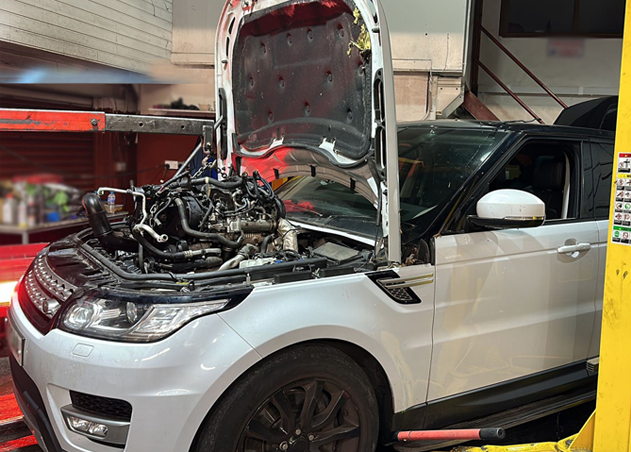
The engine is the most important component of any vehicle, and in a luxury SUV like the Range Rover, it plays a critical role in delivering both performance and comfort. Range Rover engines are designed to provide powerful acceleration, smooth driving, and excellent off-road capability. Over the years, these engines have evolved with modern technology to improve efficiency, reliability, and environmental performance.
Range Rover vehicles are developed by the British automotive manufacturer Land Rover and are known worldwide for their combination of luxury and strength. The engine technology used in these vehicles reflects the brand’s commitment to innovation and engineering excellence.
History and Evolution of Range Rover Engines
The first Range Rover was introduced in 1970 with a V8 petrol engine. This engine provided strong performance and was designed to handle both highway driving and rough terrain. At the time, it was considered a major advancement because it combined the comfort of a passenger car with the durability of an off-road vehicle.
As the automotive industry progressed, Range Rover engines also improved. In the 1980s and 1990s, diesel engines were introduced to provide better fuel efficiency and stronger torque. These engines became popular among drivers who needed long-distance performance and towing capability.
In the 2000s, Range Rover began using supercharged engines that offered significantly higher power output. Today, modern Range Rover models include turbocharged engines, mild-hybrid systems, and plug-in hybrid engines that help reduce emissions while maintaining excellent performance.
Types of Range Rover Engines
Range Rover vehicles are available with several types of engines to meet the needs of different drivers. These include petrol engines, diesel engines, and hybrid engines.
Petrol Engines
Petrol engines are widely used in Range Rover models due to their smooth performance and high power output. These engines usually come in V6 or V8 configurations and can produce a large amount of horsepower. High-performance models often feature supercharged petrol engines that deliver rapid acceleration and strong speed.
Diesel Engines
Diesel engines are known for their fuel efficiency and strong torque. Range Rover diesel engines are particularly useful for towing heavy loads and driving in challenging off-road environments. They are also preferred by drivers who travel long distances because they consume less fuel compared to petrol engines.
Hybrid Engines
Hybrid technology combines a traditional combustion engine with an electric motor. In Range Rover vehicles, hybrid engines improve fuel efficiency and reduce carbon emissions. Plug-in hybrid models can also travel short distances using only electric power, making them more environmentally friendly for city driving.
Main Components of a Range Rover Engine
A Range Rover engine contains several important components that work together to produce power and ensure smooth operation.
Engine Block
The engine block is the main structure of the engine. It contains the cylinders, pistons, and crankshaft. In modern Range Rover vehicles, the engine block is often made from aluminum to reduce weight and improve fuel efficiency.
Pistons and Cylinders
Pistons move inside the cylinders during the combustion process. When fuel and air ignite inside the cylinder, the pistons move downward, creating energy that turns the crankshaft and ultimately powers the wheels.
Turbochargers and Superchargers
Many Range Rover engines use turbochargers or superchargers to increase performance. These devices force more air into the engine, allowing it to burn more fuel and generate greater power without increasing engine size.
Cooling System
The cooling system prevents the engine from overheating. It circulates coolant through the engine to remove excess heat and maintain the correct operating temperature. This system is essential for maintaining engine durability.
Performance and Power Output
Range Rover engines are known for their impressive power and performance. Depending on the model, these engines can produce hundreds of horsepower. This allows the vehicle to accelerate quickly despite its large size and weight.
In addition to speed, Range Rover engines are designed to deliver smooth and controlled power. Advanced engine management systems ensure that fuel delivery, air intake, and ignition timing work together efficiently. This technology provides both strong performance and a comfortable driving experience.
Fuel Efficiency and Environmental Technology
Modern Range Rover engines include several technologies that improve fuel efficiency and reduce environmental impact. For example, many models use start-stop technology that automatically shuts off the engine when the vehicle is stopped in traffic.
Mild-hybrid systems assist the engine during acceleration and help recover energy during braking. Plug-in hybrid models can operate using electric power alone for short distances, which helps reduce fuel consumption and emissions.
These technologies demonstrate the automotive industry’s efforts to balance performance with environmental responsibility.
Off-Road Capability
One of the most famous features of Range Rover vehicles is their outstanding off-road ability. The engine plays a major role in this capability by providing high torque and consistent power.
This allows the vehicle to climb steep hills, drive through mud or sand, and navigate rough terrain. Advanced driving systems distribute power between the wheels to maintain traction in difficult conditions. As a result, Range Rover vehicles are considered some of the most capable luxury SUVs in the world.
Maintenance and Longevity
Regular maintenance is essential to keep a Range Rover engine running smoothly. Important maintenance tasks include changing engine oil, replacing air filters, checking coolant levels, and inspecting engine components.
Modern Range Rover vehicles also include advanced diagnostic systems that monitor engine performance. These systems can detect problems early and alert the driver before serious damage occurs.
With proper care and regular servicing, a Range Rover engine can provide reliable performance for many years.
Conclusion
The Range Rover engine is a perfect combination of power, technology, and engineering innovation. From the early V8 petrol engines to the latest hybrid systems, these engines have continuously evolved to meet modern automotive standards.
They provide the strength required for off-road adventures, the smooth performance expected in luxury vehicles, and improved efficiency for today’s environmentally conscious world. As technology continues to advance, Range Rover engines will likely become even more powerful, efficient, and sustainable in the future.
For more information.
 English