

The Big Picture: A Comprehensive Guide to Data Projectors in 2026
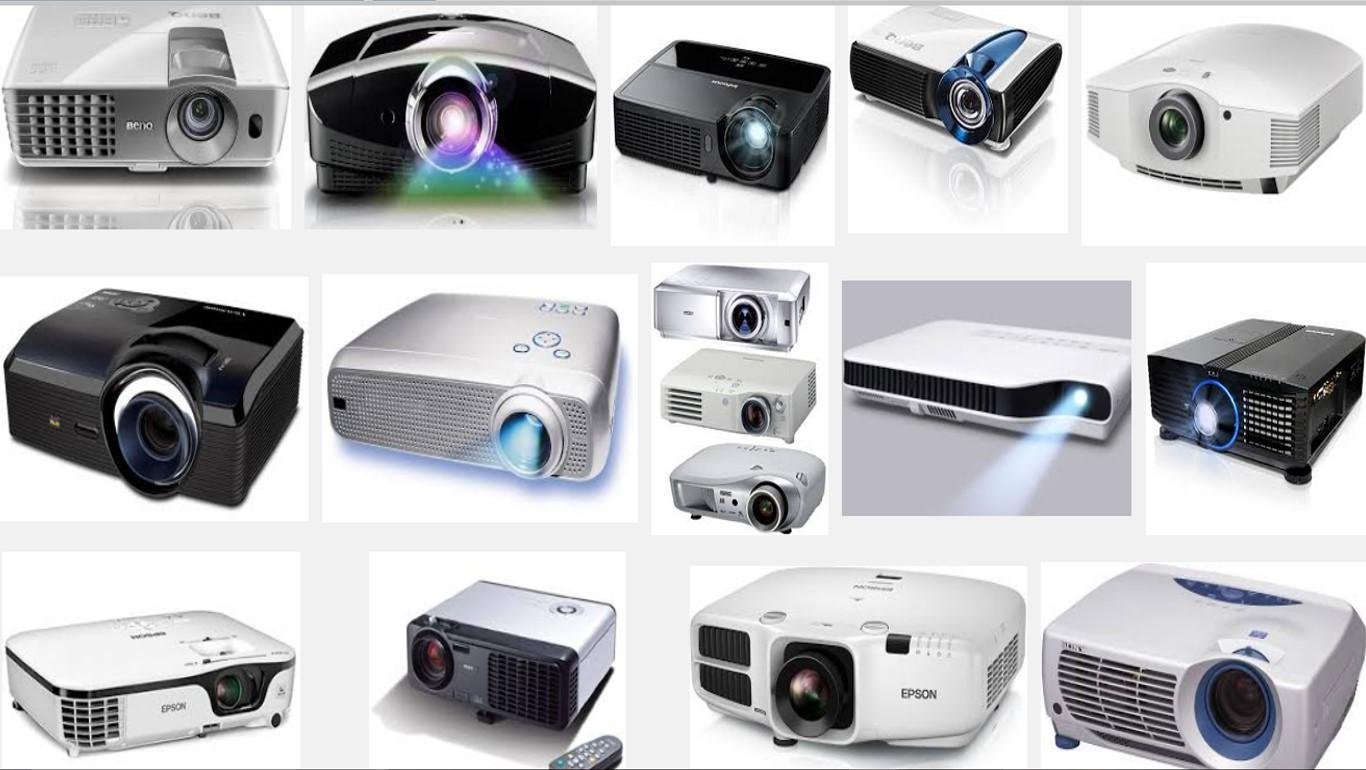
In the landscape of modern communication, the ability to share information on a grand scale remains a cornerstone of success. Whether you are delivering a high-stakes keynote in a corporate boardroom, teaching a complex subject in a university lecture hall, or analyzing real-time data in a command center, the Data Projector is your most powerful visual ally.
As we move through 2026, the technology behind projection has shifted from "dim and bulky" to "brilliant and borderless." We have moved past the era of replaceable lamps and entered the age of pure laser light engines, AI-driven auto-calibration, and ultra-short-throw optics. This guide explores the essential facets of modern data projectors and how to choose the right one for your professional or educational needs.
The Technology Shift: Laser vs. LED vs. Lamp
In 2026, the internal light source of a projector is the primary factor in its longevity and performance.
1. Laser Phosphor Projectors (The Gold Standard)
Laser technology has almost entirely replaced traditional mercury lamps in the professional sector.
-
The Benefit: They offer instant on/off capabilities (no warm-up time) and provide up to 30,000 hours of maintenance-free operation.
-
The Result: For a business, this means no more "blown bulbs" in the middle of a meeting and a significantly lower total cost of ownership.
2. LED Projectors
These are the kings of portability. Because LEDs generate very little heat, these projectors can be incredibly small—some even fitting in a coat pocket.
-
The Benefit: Extreme energy efficiency and excellent color saturation.
-
The Result: Ideal for "road warrior" sales professionals who need to turn any office wall into a presentation screen.
3. LCoS (Liquid Crystal on Silicon)
For those requiring the absolute highest resolution and color accuracy—such as medical imaging or high-end architectural rendering—LCoS technology combines the best of LCD and DLP (Digital Light Processing) to eliminate the "rainbow effect" and provide seamless, film-like images.
Resolution and Brightness: Understanding the Specs
When shopping for a data projector, two numbers will define your experience: Lumens and Pixels.
Brightness (ANSI Lumens)
In a room with "ambient light" (windows or overhead office lights), brightness is king.
-
3,000 - 4,000 Lumens: Perfect for standard classrooms and small meeting rooms.
-
5,000 - 10,000 Lumens: Necessary for large conference centers or auditoriums where you cannot dim the lights.
Resolution (The 4K Standard)
While 1080p was the standard for a decade, 2026 has seen Native 4K become the baseline for professional data projection. With the rise of complex data visualization and high-density spreadsheets, the extra pixels are no longer a luxury—they are a requirement for legibility.
The Rise of Ultra-Short Throw (UST)
One of the most significant architectural shifts in 2026 is the dominance of Ultra-Short Throw projectors. Unlike traditional projectors that sit 10 to 15 feet away from the wall, a UST projector sits just inches away.
-
No Shadows: Because the presenter stands behind the light source, they never cast a shadow on the data.
-
No Eye Glare: The presenter isn't blinded by a bright beam of light while facing the audience.
-
Space Saving: UST units can sit on a slim credenza directly against the wall, making them perfect for small huddle rooms.
Integrating Projectors into a Digital Ecosystem
A data projector is only as effective as the infrastructure feeding it. In the modern workspace, a projector is a networked device, often integrated into a "Smart Office" hub. It needs to handle wireless casting from multiple devices, cloud-based management, and secure encrypted transmissions.
For organizations looking to overhaul their visual communication strategy, sourcing high-quality hardware is only the first step. Companies like Tecisoft specialize in providing the digital foundations that make these hardware tools effective. By offering a curated selection of IT hardware and digital solutions, they help businesses ensure that their projectors are backed by the high-speed networking and reliable storage needed to stream 4K content without a hitch. When your hardware procurement and your digital strategy are aligned, your "Big Picture" becomes much clearer.
Advanced Features of 2026
If you are upgrading your equipment this year, look for these "Next-Gen" features:
1. AI Auto-Geometry
In the past, "Keystoning" (straightening a lopsided image) was a manual, frustrating process. 2026 projectors use built-in cameras and AI to scan the wall and perfectly square the image in less than two seconds, regardless of the angle.
2. Edge Blending
For massive displays, you can now "stack" or "stitch" multiple projectors together. The software automatically blends the edges where the two images meet, creating a single, seamless 20-foot wide display for data-heavy command centers.
3. HDBaseT Connectivity
This allows you to send uncompressed 4K video, audio, power, and networking signals over a single Category 6 cable for up to 100 meters, greatly simplifying the installation process in large buildings.
Making the Choice: A Comparison Table
| Environment | Recommended Projector Type | Key Specification |
| Huddle Room | Ultra-Short Throw LED | Instant-on, 3,000 Lumens |
| Large Classroom | Laser 3LCD | 5,000 Lumens, WUXGA Resolution |
| Corporate Ballroom | High-Lumen Laser DLP | 10,000+ Lumens, 4K Native |
| Mobile Sales | Pico/Pocket LED | Battery Powered, USB-C Video |
Maintenance and Longevity
The move to laser technology has virtually eliminated the "maintenance cycle" of the past. However, to ensure your data projector lasts its full 30,000-hour lifespan, two things remain vital:
-
Airflow: Ensure the intake and exhaust vents are not blocked. Heat remains the enemy of electronics.
-
Dust Filtration: If your projector uses a physical filter, cleaning it every six months will prevent the internal optics from degrading.
Conclusion: Projecting Professionalism
The Data Projector remains an indispensable tool because it does something a flat-panel TV cannot: it scales. It provides a sense of immersion and shared focus that is vital for collaboration and high-level decision-making.
As we look toward the future of 2026 and beyond, the focus is on making projection as effortless as possible. With the right hardware and a robust digital partner to support your infrastructure, your presentations will do more than just show data—they will tell a story. In the world of business, your "Big Picture" is your vision. Make sure you show it in its best light.
 English