

Ethylene Sulfate Uses, Properties & Applications
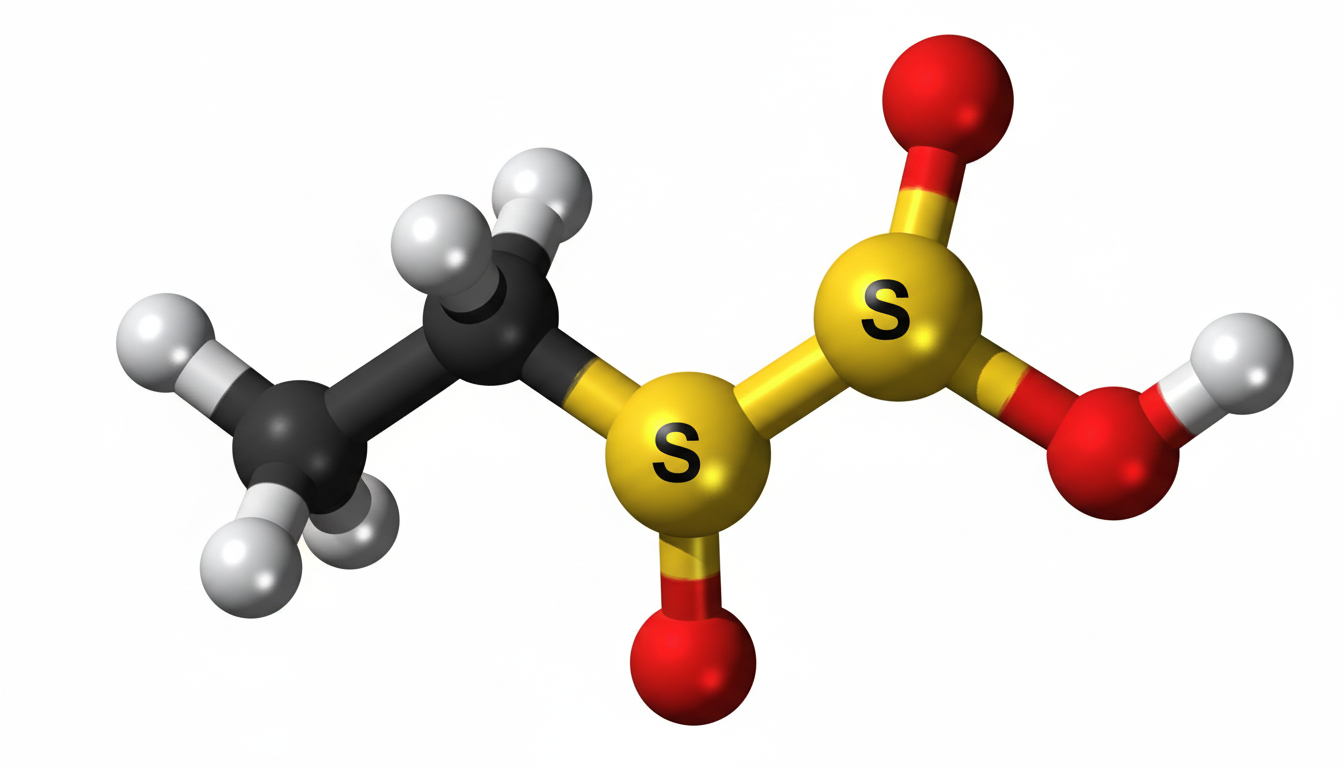
Ethylene sulfate is an important organic chemical compound widely used in industrial chemistry, especially in energy storage systems and electrolyte formulations. It plays a significant role in improving the performance and stability of modern lithium-based batteries. Due to its unique chemical structure, ethylene sulfate has gained attention in research and industrial applications.
Chemical Properties of Ethylene Sulfate
Ethylene sulfate is a cyclic sulfate ester derived from ethylene glycol. It is known for its high reactivity and ability to form stable compounds under controlled conditions. The molecular structure allows it to act as an effective additive in electrolyte solutions.
Key properties include:
-
High chemical stability in controlled environments
-
Strong oxidizing and reactive characteristics
-
Solubility in organic solvents
-
Ability to improve ionic conductivity in electrolytes
These properties make it valuable in advanced chemical engineering processes.
Industrial Applications
Ethylene sulfate is primarily used in specialized industries, particularly in energy storage and electrochemistry. Its most important application is in lithium-ion battery technology.
1. Lithium-ion Batteries
One of the major uses of ethylene sulfate is as an electrolyte additive. It helps in forming a stable solid electrolyte interface (SEI) layer, which improves battery life, safety, and efficiency.
2. Chemical Manufacturing
It is used as an intermediate in organic synthesis processes. Chemical manufacturers utilize it to produce more complex compounds used in pharmaceuticals and materials science.
3. Research and Development
In laboratories, ethylene sulfate is studied for its electrochemical properties. Researchers explore its potential to enhance energy storage systems and reduce battery degradation.
Benefits of Ethylene Sulfate
Ethylene sulfate provides several advantages in industrial applications:
-
Enhances battery performance and lifespan
-
Improves safety in electrochemical systems
-
Supports stable chemical reactions
-
Increases efficiency in energy storage devices
These benefits make it an important compound in modern technology.
Safety and Handling
Although ethylene sulfate is useful in industrial applications, it must be handled with care. It can be reactive under certain conditions, so proper safety measures are required.
Recommended safety practices include:
-
Use of protective gloves and eyewear
-
Proper ventilation in work environments
-
Storage in cool, dry conditions
-
Avoiding direct contact with skin and eyes
Environmental Impact
Like many chemical compounds, ethylene sulfate should be managed responsibly. Industrial waste containing this substance must be treated properly to avoid environmental contamination.
Conclusion
Ethylene sulfate is a valuable chemical compound with significant importance in battery technology and industrial chemistry. Its ability to enhance electrolyte performance makes it essential for modern energy storage systems. With continued research, its applications may expand further in the future.
 English