• MLB The Show 26 Stamina Tips for Wood from U4GM

    Kerry Wood's 99 OVR Spooky card gives MLB The Show 26 players plenty of velocity, but speed alone won't carry an outing against a hitter who adjusts. If you're weighing how to use MLB 26 stubs while building a pitching staff, Wood is most appealing when you're willing to read swing timing and change your approach rather than repeat the same fastball location.


    Use the fastball to test timing


    Wood's four-seamer has a listed velocity of 99 mph, making it a useful starting point for learning how an opponent reacts. Place one near the edge of the zone and watch the swing. A late swing gives you a reason to keep the pitch involved, while a clean pull is a warning against returning to that same spot.


    Don't treat one swing as a complete scouting report. Move the fastball to another part of the zone and see whether the hitter still catches up. If they do, give them a different speed or movement pattern before bringing the four-seamer back. Its value comes partly from making the next pitch harder to anticipate.


    Make the slurve a threat in the zone


    The slurve arrives at around 89 mph and gives Wood a different look from his fastball. It is a useful follow-up when a hitter appears set on catching up to velocity. Aim for a different area of the plate so the hitter must account for both the speed change and the new location.


    Pitch selection matters less if every slurve ends up well below the zone. A patient opponent can take those pitches and force you into counts where throwing a strike becomes more urgent. Keep some slurves competitive enough to make the hitter decide, especially early in an at-bat. That also makes a pitch below the zone more useful when you choose to try it.


    Choose secondary pitches for a reason


    Wood's 12-6 curve gives him a slower option with a larger vertical drop. Use it when a hitter is focused on the fastball, but leave yourself room for error: a curve that finishes in the middle of the plate can be punished. It doesn't need to appear every inning to give the opponent another pitch to consider.


    The changeup has a clearer purpose when swings are arriving early. After showing the fastball, try the changeup in a competitive location and accept weak contact rather than expecting every pitch to produce a miss. Mix in the cutter when the hitter begins anticipating the fastball and slurve. Neither pitch needs a fixed schedule; the opponent's timing should guide the choice.


    Protect the inning before chasing strikeouts


    With 125 K/9, 125 pitching clutch and 119 stamina, Wood has the ratings to work deep into a game. Runners on base still call for restraint. Throwing every pitch outside the zone can create walks and make an inning harder than it needs to be. Get ahead where possible, then take a routine ground ball or fly ball if the hitter puts a pitch in play.


    His 84 control also gives you a practical reason to enlarge your target when command slips. Aim for a safer area instead of insisting on the corner, particularly when a walk would put another runner aboard. Stamina is only one part of the decision to keep him in: if the opponent is consistently making strong contact or has recognized your pattern, consider the bullpen even when Wood has energy left.


    Before committing more MLB stubs to your staff, decide whether you enjoy adjusting pitch sequences throughout an outing. Wood fits that approach better than a plan built around throwing the same high fastball repeatedly. In your next start, watch the hitter's timing and change locations or speeds as soon as the first approach stops working.


    Kerry Wood's fastball and breaking pitches can anchor your rotation, but a strong lineup matters too. If you're planning upgrades in MLB The Show 26, explore Stubs options at U4GM: https://www.u4gm.com/mlb-the-show-26/stubs and review the available details before deciding how to build a roster around your pitching strategy.

    MLB The Show 26 Stamina Tips for Wood from U4GMKerry Wood's 99 OVR Spooky card gives MLB The Show 26 players plenty of velocity, but speed alone won't carry an outing against a hitter who adjusts. If you're weighing how to use MLB 26 stubs while building a pitching staff, Wood is most appealing when you're willing to read swing timing and change your approach rather than repeat the same fastball location. Use the fastball to test timing Wood's four-seamer has a listed velocity of 99 mph, making it a useful starting point for learning how an opponent reacts. Place one near the edge of the zone and watch the swing. A late swing gives you a reason to keep the pitch involved, while a clean pull is a warning against returning to that same spot. Don't treat one swing as a complete scouting report. Move the fastball to another part of the zone and see whether the hitter still catches up. If they do, give them a different speed or movement pattern before bringing the four-seamer back. Its value comes partly from making the next pitch harder to anticipate. Make the slurve a threat in the zone The slurve arrives at around 89 mph and gives Wood a different look from his fastball. It is a useful follow-up when a hitter appears set on catching up to velocity. Aim for a different area of the plate so the hitter must account for both the speed change and the new location. Pitch selection matters less if every slurve ends up well below the zone. A patient opponent can take those pitches and force you into counts where throwing a strike becomes more urgent. Keep some slurves competitive enough to make the hitter decide, especially early in an at-bat. That also makes a pitch below the zone more useful when you choose to try it. Choose secondary pitches for a reason Wood's 12-6 curve gives him a slower option with a larger vertical drop. Use it when a hitter is focused on the fastball, but leave yourself room for error: a curve that finishes in the middle of the plate can be punished. It doesn't need to appear every inning to give the opponent another pitch to consider. The changeup has a clearer purpose when swings are arriving early. After showing the fastball, try the changeup in a competitive location and accept weak contact rather than expecting every pitch to produce a miss. Mix in the cutter when the hitter begins anticipating the fastball and slurve. Neither pitch needs a fixed schedule; the opponent's timing should guide the choice. Protect the inning before chasing strikeouts With 125 K/9, 125 pitching clutch and 119 stamina, Wood has the ratings to work deep into a game. Runners on base still call for restraint. Throwing every pitch outside the zone can create walks and make an inning harder than it needs to be. Get ahead where possible, then take a routine ground ball or fly ball if the hitter puts a pitch in play. His 84 control also gives you a practical reason to enlarge your target when command slips. Aim for a safer area instead of insisting on the corner, particularly when a walk would put another runner aboard. Stamina is only one part of the decision to keep him in: if the opponent is consistently making strong contact or has recognized your pattern, consider the bullpen even when Wood has energy left. Before committing more MLB stubs to your staff, decide whether you enjoy adjusting pitch sequences throughout an outing. Wood fits that approach better than a plan built around throwing the same high fastball repeatedly. In your next start, watch the hitter's timing and change locations or speeds as soon as the first approach stops working.Kerry Wood's fastball and breaking pitches can anchor your rotation, but a strong lineup matters too. If you're planning upgrades in MLB The Show 26, explore Stubs options at U4GM: https://www.u4gm.com/mlb-the-show-26/stubs and review the available details before deciding how to build a roster around your pitching strategy.
    0 Comments 0 Shares 58 Views 0 Reviews
  • Looking to improve your metal printing process? Our Copper Plate Machine offers a practical solution for businesses seeking consistent printing results, efficient workflows, and reliable production performance. Discover new possibilities for your manufacturing needs!#CopperPlateMachine #MetalPrinting #PrintingEquipment #IndustrialMachinery #ManufacturingSolutions #LimingMachine
    Looking to improve your metal printing process? Our Copper Plate Machine offers a practical solution for businesses seeking consistent printing results, efficient workflows, and reliable production performance. Discover new possibilities for your manufacturing needs!#CopperPlateMachine #MetalPrinting #PrintingEquipment #IndustrialMachinery #ManufacturingSolutions #LimingMachine
    Power Hydraulic Gear Oil Pump Manufacturer Factory Supplier
    Xianju Liming Machinery Co., Ltd. is a hydraulic pump manufacturer, specialize in the production of various high-pressure and displacement gear pumps and various copperplate printing machines, woodblock printing machines.
    0 Comments 0 Shares 65 Views 0 Reviews
  • Master MLB 26 Lindor Missions Using U4GM Tips


    MLB 26's Francisco Lindor Milestone Program is one of the cleaner Diamond Dynasty grinds because the 99 OVR reward does not require every objective. You can reach the card at 300 points out of 350 available, and the fastest route is built around five Moments, 30 home runs, 129 runs, and 2,000 PXP with Mets or Guardians players. That makes the program easy to work into your normal games, especially if you are also managing your MLB 26 Stubs and building a competitive lineup.


    How many points do you need for 99 OVR Francisco Lindor


    The key detail is the 300-point requirement. The reward track offers 2,500 XP at 50 points, a The Show Pack at 100, another 2,500 XP at 150, a Ballin' is a Habit Pack at 200, and another 2,500 XP at 250. The Milestone Francisco Lindor card unlocks at 300 points, while the program continues to 350 points for players who want to finish everything.


    That gap gives you room to skip two objectives. You do not need to treat the program like a checklist where every task has to be cleared before the featured card appears. Pick the objectives that fit your roster and playing habits, then focus your time on the route that reaches 300 with the least extra work.


    What are the easiest Lindor Moments in MLB 26


    The five Lindor Moments are the best starting point because they provide 50 points by themselves. Each Moment is worth 10 points, and the challenges are based on Lindor's home run milestones. They can be completed on Veteran difficulty, so they should be manageable even if your current Diamond Dynasty squad is still coming together.


    Moments also give you a quick read on the card's swing and timing. Since Lindor is a switch hitter, pay attention to how comfortable you feel from both sides of the plate. Once the Moments are done, you already have one-sixth of the required points and can move into the longer stat-based objectives with a clear target.


    Which Missions should you complete for the Lindor card


    The most efficient combination is the 100-point home run Mission, the 100-point run Mission, and the 50-point Mets and Guardians PXP Mission. Hitting 30 home runs and scoring 129 runs are both broad objectives, so they can progress across any game mode rather than forcing you into one specific playlist. The 2,000 PXP requirement is more focused, but it also works naturally with the same lineup.


    The remaining Missions are worth 25 points each. One asks for four wins in any game mode, and the other requires 750 PXP with any Francisco Lindor player item. They are useful as backup points, but they are not part of the shortest path to 99 OVR. If you complete one by accident while working on the main targets, that extra progress can give you more flexibility later.


    How to grind the Lindor objectives efficiently


    Use a lineup with as many Mets and Guardians players as your collection allows. Put eligible hitters near the top of the order so they receive more plate appearances, then keep those players active while chasing home runs and runs. This is where the program feels much better than a series of isolated tasks: the same games can produce PXP, runs, and home runs at the same time.


    Choose a mode where you can score consistently and finish games without turning every objective into a long session. Power hitters help with the home run total, while speedy players can create extra scoring opportunities once they reach base. You do not need a perfect lineup for this grind. You need one that keeps the three main objectives moving together.


    Is the 99 OVR Francisco Lindor card worth using


    Lindor's value comes from the combination of switch hitting, shortstop defense, speed, and balanced offensive ability. That profile gives you lineup flexibility against both right-handed and left-handed pitching, while his defense makes him a natural option at shortstop. The card should be judged against the players already on your roster rather than in isolation.


    Choose u4gm.com for your MLB 26 Stubs needs, where reliable payment processes, convenient trading methods, and extensive industry experience help provide a secure and worry-free account environment.

    Master MLB 26 Lindor Missions Using U4GM TipsMLB 26's Francisco Lindor Milestone Program is one of the cleaner Diamond Dynasty grinds because the 99 OVR reward does not require every objective. You can reach the card at 300 points out of 350 available, and the fastest route is built around five Moments, 30 home runs, 129 runs, and 2,000 PXP with Mets or Guardians players. That makes the program easy to work into your normal games, especially if you are also managing your MLB 26 Stubs and building a competitive lineup.How many points do you need for 99 OVR Francisco LindorThe key detail is the 300-point requirement. The reward track offers 2,500 XP at 50 points, a The Show Pack at 100, another 2,500 XP at 150, a Ballin' is a Habit Pack at 200, and another 2,500 XP at 250. The Milestone Francisco Lindor card unlocks at 300 points, while the program continues to 350 points for players who want to finish everything.That gap gives you room to skip two objectives. You do not need to treat the program like a checklist where every task has to be cleared before the featured card appears. Pick the objectives that fit your roster and playing habits, then focus your time on the route that reaches 300 with the least extra work.What are the easiest Lindor Moments in MLB 26The five Lindor Moments are the best starting point because they provide 50 points by themselves. Each Moment is worth 10 points, and the challenges are based on Lindor's home run milestones. They can be completed on Veteran difficulty, so they should be manageable even if your current Diamond Dynasty squad is still coming together.Moments also give you a quick read on the card's swing and timing. Since Lindor is a switch hitter, pay attention to how comfortable you feel from both sides of the plate. Once the Moments are done, you already have one-sixth of the required points and can move into the longer stat-based objectives with a clear target.Which Missions should you complete for the Lindor cardThe most efficient combination is the 100-point home run Mission, the 100-point run Mission, and the 50-point Mets and Guardians PXP Mission. Hitting 30 home runs and scoring 129 runs are both broad objectives, so they can progress across any game mode rather than forcing you into one specific playlist. The 2,000 PXP requirement is more focused, but it also works naturally with the same lineup.The remaining Missions are worth 25 points each. One asks for four wins in any game mode, and the other requires 750 PXP with any Francisco Lindor player item. They are useful as backup points, but they are not part of the shortest path to 99 OVR. If you complete one by accident while working on the main targets, that extra progress can give you more flexibility later.How to grind the Lindor objectives efficientlyUse a lineup with as many Mets and Guardians players as your collection allows. Put eligible hitters near the top of the order so they receive more plate appearances, then keep those players active while chasing home runs and runs. This is where the program feels much better than a series of isolated tasks: the same games can produce PXP, runs, and home runs at the same time.Choose a mode where you can score consistently and finish games without turning every objective into a long session. Power hitters help with the home run total, while speedy players can create extra scoring opportunities once they reach base. You do not need a perfect lineup for this grind. You need one that keeps the three main objectives moving together.Is the 99 OVR Francisco Lindor card worth usingLindor's value comes from the combination of switch hitting, shortstop defense, speed, and balanced offensive ability. That profile gives you lineup flexibility against both right-handed and left-handed pitching, while his defense makes him a natural option at shortstop. The card should be judged against the players already on your roster rather than in isolation.Choose u4gm.com for your MLB 26 Stubs needs, where reliable payment processes, convenient trading methods, and extensive industry experience help provide a secure and worry-free account environment.
    0 Comments 0 Shares 197 Views 0 Reviews
  • Wedding Caterer Sydney for Beautifully Planned Celebrations


    A wedding menu should feel like part of the celebration, not simply another item on the planning checklist. The right wedding caterer Sydney couples choose can help shape menus around the venue, guest numbers, dining style and atmosphere of the day. From elegant shared dishes and plated meals to relaxed cocktail catering, thoughtful food and attentive service can make guests feel genuinely welcomed. Dietary requirements, presentation and timing should also be considered from the beginning. Planning your wedding? Speak with European Catering to create a menu suited to your special day: https://europeancatering.com.au/

    Wedding Caterer Sydney for Beautifully Planned CelebrationsA wedding menu should feel like part of the celebration, not simply another item on the planning checklist. The right wedding caterer Sydney couples choose can help shape menus around the venue, guest numbers, dining style and atmosphere of the day. From elegant shared dishes and plated meals to relaxed cocktail catering, thoughtful food and attentive service can make guests feel genuinely welcomed. Dietary requirements, presentation and timing should also be considered from the beginning. Planning your wedding? Speak with European Catering to create a menu suited to your special day: https://europeancatering.com.au/
    EUROPEANCATERING.COM.AU
    Catering Services Sydney | European Catering Experts
    European Catering delivers trusted catering services Sydney-wide, including weddings, corporate events and private functions. Get a tailored quote today.
    0 Comments 0 Shares 48 Views 0 Reviews
  • Platelet Aggregation Devices Market Trends and

    Opportunities to Watch Through 2034:

    https://www.theinsightpartners.com/reports/platelet-aggregation-devices-market


    The Platelet Aggregation Devices Market is progressing alongside innovations in hematology diagnostics and laboratory automation. As healthcare institutions increasingly prioritize efficient and reliable platelet testing, manufacturers are focusing on developing advanced systems that address evolving clinical and research requirements.

    Platelet Aggregation Devices Market Trends andOpportunities to Watch Through 2034: https://www.theinsightpartners.com/reports/platelet-aggregation-devices-market The Platelet Aggregation Devices Market is progressing alongside innovations in hematology diagnostics and laboratory automation. As healthcare institutions increasingly prioritize efficient and reliable platelet testing, manufacturers are focusing on developing advanced systems that address evolving clinical and research requirements.
    WWW.THEINSIGHTPARTNERS.COM
    Platelet Aggregation Devices Market Size & Forecast 2034
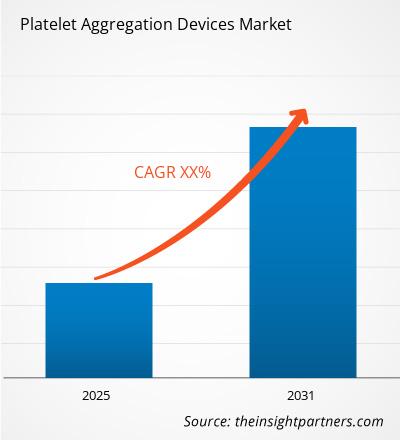
    Platelet Aggregation Devices market may reach US$ 1,820.83 Mn by 2034 from US$ 729.61 Mn in 2025, with a CAGR of 10.70% during the 2026 to 2034 forecast period.
    0 Comments 0 Shares 71 Views 0 Reviews
  • Platelet Aggregation Devices Market Growth Story

    2026–2034 : Read More: https://www.theinsightpartners.com/reports/platelet-aggregation-devices-market


    Platelet Aggregation Devices market size is expected to reach US$ 1,820.83 Million by 2034 from US$ 729.61 Million in 2025. The market is anticipated to register a CAGR of 10.7% during the forecast period 2026–2034.


    Platelet Aggregation Devices Market Growth Story2026–2034 : Read More: https://www.theinsightpartners.com/reports/platelet-aggregation-devices-market Platelet Aggregation Devices market size is expected to reach US$ 1,820.83 Million by 2034 from US$ 729.61 Million in 2025. The market is anticipated to register a CAGR of 10.7% during the forecast period 2026–2034.
    WWW.THEINSIGHTPARTNERS.COM
    Platelet Aggregation Devices Market Size & Forecast 2034
    Platelet Aggregation Devices market may reach US$ 1,820.83 Mn by 2034 from US$ 729.61 Mn in 2025, with a CAGR of 10.70% during the 2026 to 2034 forecast period.
    0 Comments 0 Shares 37 Views 0 Reviews
  • MLB 26 Supercharged Guide Featuring U4GM Tips for Elly and Jesús


    A temporary boost can change the way a Diamond Dynasty lineup feels, even when it does not solve every problem on the roster. That is the interesting part of this Supercharged period. You are not just looking at a bigger Overall number; you are deciding which player gives you more useful options once the game gets moving. Elly De La Cruz and Jesús Sánchez ask different questions of your team, so it is worth testing both before spending your resources. If you are keeping an eye on MLB 26 Stubs, this is a good moment to try the boosted cards first and see whether a new addition is really necessary.


    Why Elly Makes the Bigger Impact


    Elly is the easier card to build around because his value does not depend on one specific situation. Put him at shortstop and you get speed, range, and enough power to make pitchers respect him. That mix matters more than it may look on paper. A routine ground ball can turn into an infield hit. A single can become a scoring opportunity when he takes an extra base. In the field, his reach can save a ball that another shortstop simply cannot get to.


    You will notice his influence even during games where he is not crushing the ball. Opponents may rush throws because they know he can run. They may pitch differently with him on base. That pressure creates small advantages for the rest of the lineup. His swing might take a few at-bats to settle into, especially if you are used to a bigger or slower hitter, but the payoff is a card that keeps contributing between hits. For most teams, he belongs near the top of the order and should receive a proper run at shortstop before you make a judgment.


    Where Sánchez Fits Best


    Sánchez is less of an every-lineup answer, but that does not make him unhelpful. His left-handed swing gives you a useful way to approach right-handed pitching, and that can matter when your outfield is full of right-handed bats. Some players will love his timing straight away. Others may find that his at-bats feel less comfortable than those of their regular starter. That is normal. A card can have strong ratings and still fail to match the way you see the ball.


    He makes the most sense for newer teams, budget-minded rosters, and players who rotate lineups for Events or Conquest. If your current left fielder is a weak spot, Sánchez may give you enough production to leave that position alone for a while. He is also handy from the bench when the opposing pitcher creates a favourable situation. On a stacked roster, though, he has to earn his place. A temporary boost alone is not a good reason to remove an outfielder who already performs well for you.


    How to Test Them Without Guesswork


    Use a simple test rather than judging either card after three plate appearances. Start Elly at shortstop for several games and bat him in a spot where he can see plenty of pitches. Watch how often his speed changes the inning, not just how many hits he collects. Notice the plays he reaches in the field, the throws he makes while moving away from first base, and whether his presence lets you take more chances on the bases. Those details are easy to miss when you focus only on the box score.


    Give Sánchez a similar run, but place him in games where right-handed pitching is common. Pay attention to hard contact, late-inning at-bats, and how comfortable his swing feels when you are behind in the count. Try both players in Conquest or Events if you do not want to disturb your main Ranked Seasons lineup. You can also compare them with your current starters over the same number of games. That small bit of discipline will tell you far more than a quick look at their ratings.


    Get MLB 26 Stubs at u4gm.com and benefit from safe transactions, comfortable service, and long-term expertise that ensures your account remains protected throughout the purchase process.

    MLB 26 Supercharged Guide Featuring U4GM Tips for Elly and JesúsA temporary boost can change the way a Diamond Dynasty lineup feels, even when it does not solve every problem on the roster. That is the interesting part of this Supercharged period. You are not just looking at a bigger Overall number; you are deciding which player gives you more useful options once the game gets moving. Elly De La Cruz and Jesús Sánchez ask different questions of your team, so it is worth testing both before spending your resources. If you are keeping an eye on MLB 26 Stubs, this is a good moment to try the boosted cards first and see whether a new addition is really necessary.Why Elly Makes the Bigger ImpactElly is the easier card to build around because his value does not depend on one specific situation. Put him at shortstop and you get speed, range, and enough power to make pitchers respect him. That mix matters more than it may look on paper. A routine ground ball can turn into an infield hit. A single can become a scoring opportunity when he takes an extra base. In the field, his reach can save a ball that another shortstop simply cannot get to.You will notice his influence even during games where he is not crushing the ball. Opponents may rush throws because they know he can run. They may pitch differently with him on base. That pressure creates small advantages for the rest of the lineup. His swing might take a few at-bats to settle into, especially if you are used to a bigger or slower hitter, but the payoff is a card that keeps contributing between hits. For most teams, he belongs near the top of the order and should receive a proper run at shortstop before you make a judgment.Where Sánchez Fits BestSánchez is less of an every-lineup answer, but that does not make him unhelpful. His left-handed swing gives you a useful way to approach right-handed pitching, and that can matter when your outfield is full of right-handed bats. Some players will love his timing straight away. Others may find that his at-bats feel less comfortable than those of their regular starter. That is normal. A card can have strong ratings and still fail to match the way you see the ball.He makes the most sense for newer teams, budget-minded rosters, and players who rotate lineups for Events or Conquest. If your current left fielder is a weak spot, Sánchez may give you enough production to leave that position alone for a while. He is also handy from the bench when the opposing pitcher creates a favourable situation. On a stacked roster, though, he has to earn his place. A temporary boost alone is not a good reason to remove an outfielder who already performs well for you.How to Test Them Without GuessworkUse a simple test rather than judging either card after three plate appearances. Start Elly at shortstop for several games and bat him in a spot where he can see plenty of pitches. Watch how often his speed changes the inning, not just how many hits he collects. Notice the plays he reaches in the field, the throws he makes while moving away from first base, and whether his presence lets you take more chances on the bases. Those details are easy to miss when you focus only on the box score.Give Sánchez a similar run, but place him in games where right-handed pitching is common. Pay attention to hard contact, late-inning at-bats, and how comfortable his swing feels when you are behind in the count. Try both players in Conquest or Events if you do not want to disturb your main Ranked Seasons lineup. You can also compare them with your current starters over the same number of games. That small bit of discipline will tell you far more than a quick look at their ratings.Get MLB 26 Stubs at u4gm.com and benefit from safe transactions, comfortable service, and long-term expertise that ensures your account remains protected throughout the purchase process.
    0 Comments 0 Shares 213 Views 0 Reviews
  • What Defines a Premium Basmati Rice? A Guide to Quality


    Basmati is referred to as the Queen of Fragrance, and not every grain in the crown is the same. So what are you going to do to differentiate the normal basmati and the really good premium basmati rice? This is a basic guide to assist you in identifying the difference.


    The Secret is in the Length


    The length of the grain is the most evident measure of quality. The Noor Premium Basmati Rice is known to be very long. The thing is the following: it is not only about how it looks in the bag. A good grain must increase two times after cooking. When we refine our Noor rice, we make sure that the grains are kept intact such that when they are served on your plate, they are long, slender, and beautiful to the eye.


    It’s All About the Age


    Premium basmati rice, in fact, improves with age just like a fine wine. Freshly picked noor rice is overly moist, and thus it can turn into a mushy, sticky mess in the pot. Our high-end stock is aged between 12 and 24 months.


    The Iconic Aroma


    You can be able to smell high-quality noor premium Basmati rice even before you taste it. The distinctive nutty, earthy smell is a natural ingredient, which grows most in the foothills of the Himalayas.


    The importance of quality to your table


    In Kuber Agro, our motto is “taste bhi, health bhi.” And we really do not only want your biryani to look professional but also to be easy on the digestion and filled with natural goodness. It can be a festive event, or it can be a usual Tuesday night dinner, and after using a high-quality grain, the side meal turns out to be the main attraction of the evening.


    The Secret to the Ideal Fluff:


    Preparation


    And be careful not to over-stir


    Look at the label


    Visit us: https://oscarbasmatirice.com/blogs/what-defines-a-premium-basmati-rice-guide-to-quality/

    What Defines a Premium Basmati Rice? A Guide to QualityBasmati is referred to as the Queen of Fragrance, and not every grain in the crown is the same. So what are you going to do to differentiate the normal basmati and the really good premium basmati rice? This is a basic guide to assist you in identifying the difference.The Secret is in the LengthThe length of the grain is the most evident measure of quality. The Noor Premium Basmati Rice is known to be very long. The thing is the following: it is not only about how it looks in the bag. A good grain must increase two times after cooking. When we refine our Noor rice, we make sure that the grains are kept intact such that when they are served on your plate, they are long, slender, and beautiful to the eye.It’s All About the AgePremium basmati rice, in fact, improves with age just like a fine wine. Freshly picked noor rice is overly moist, and thus it can turn into a mushy, sticky mess in the pot. Our high-end stock is aged between 12 and 24 months. The Iconic AromaYou can be able to smell high-quality noor premium Basmati rice even before you taste it. The distinctive nutty, earthy smell is a natural ingredient, which grows most in the foothills of the Himalayas. The importance of quality to your tableIn Kuber Agro, our motto is “taste bhi, health bhi.” And we really do not only want your biryani to look professional but also to be easy on the digestion and filled with natural goodness. It can be a festive event, or it can be a usual Tuesday night dinner, and after using a high-quality grain, the side meal turns out to be the main attraction of the evening.The Secret to the Ideal Fluff:PreparationAnd be careful not to over-stirLook at the labelVisit us: https://oscarbasmatirice.com/blogs/what-defines-a-premium-basmati-rice-guide-to-quality/
    OSCARBASMATIRICE.COM
    What Defines a Premium Basmati Rice? A Guide to Quality
    Learn how to identify premium basmati rice by grain length, aging, and aroma. Discover expert tips to choose high-quality rice for perfect fluffy meals.
    0 Comments 0 Shares 98 Views 0 Reviews
  • MLB The Show 26 Strategy | Where U4GM Adds Speed

    Most MLB The Show 26 advice shows the polished lineup, not the awkward stretch before it: limited Stubs, uneven player ratings, and hitters who feel uncomfortable because every spot is asking for the same thing. The latest Live Series movement gives budget Diamond Dynasty rosters more choices, but only if you judge each card by the problem it solves. That is where MLB 26 stubs should be spent carefully, because a cheaper card with the right skill can help more than a higher-rated player who duplicates an existing strength.


    Stop Treating Every Diamond as a Failed 99


    Live Series Diamonds are not supposed to beat the best cards at every attribute. Their value comes from fitting a specific role in a roster that still has weaknesses.


    â—† Look for speed when your lineup struggles to turn singles into scoring chances.


    â—† Prioritize defensive range when slow fielders are giving away extra bases.


    â—† Add left-handed or right-handed power to improve the way you attack common pitching matchups.


    â—† Use contact and plate discipline when the rest of the lineup already has enough raw power.


    The recent roster update added four Diamond players and changed 767 ratings, including 294 upgrades and 240 downgrades. That scale matters. A card that looked ordinary last week may now fit a budget roster, while a familiar option may no longer justify its price.


    Give Every Lineup Spot a Job


    The most common budget-building mistake is filling nine positions with similar hitters. A team built entirely around power can become predictable, especially when a few bats have poor defense or limited speed.


    Build the lineup around roles instead of chasing the highest visible rating. One hitter can create pressure on the bases, another can cover an important defensive position, and a switch hitter can protect you from a difficult pitching sequence. The remaining spots should support the plan with dependable contact or matchup-friendly power.


    This approach also makes roster decisions easier. If a new upgrade does not improve speed, defense, handedness, or a clear offensive need, it may not deserve a place simply because its card color changed.


    Turn the Bench Into a Tactical Resource


    A budget bench should not be five unused names. It should give you answers for the final innings, when the opposing pitcher and available matchups matter more than the starting lineup's average rating.


    â—† Keep a dangerous left-handed bat available against a right-handed starter or reliever.


    â—† Save a right-handed option for a late matchup against left-handed pitching.


    â—† Carry a faster player when one run can be created through pressure on the bases.


    â—† Use defensive range as protection when you hold a narrow lead.


    Do not burn every useful substitute early. A bench card has greater value when it remains available for the situation it was selected to handle. This is especially helpful for players who cannot afford a deep collection of premium cards.


    Review the Roster After Ratings Move


    Old tier lists become unreliable after major attribute changes. Test upgraded Live Series cards in the modes you actually play, paying attention to swing feel, defensive reactions, speed, and whether the player fits your preferred handedness pattern.


    A card can be strong on paper and still be a poor fit for your timing or lineup spacing. Give priority to changes you can feel during games rather than assuming every promotion is automatically valuable. If a player solves no current problem, keep the resources for a better fit.


    The smartest MLB The Show 26 Live Series strategy is not copying an expensive roster with weaker substitutes. Build around roles, preserve matchup options, and use MLB The Show 26 Stubs only when a card improves a genuine weakness. Recheck that decision after each major update, because a functional roster can stay competitive far longer than a collection built around outdated ratings.


    Need a quick way to refresh your MLB The Show 26 Diamond Dynasty lineup? U4GM helps you get the Stubs needed to test upgraded Live Series Diamonds, add speed, defence, lefty power or a clutch bench bat. Visit https://www.u4gm.com/mlb-the-show-26/stubs and shape a smarter budget squad with responsive 24/7 support and fast service, so every roster update gives you another reason to rethink your lineup.


    MLB The Show 26 Strategy | Where U4GM Adds SpeedMost MLB The Show 26 advice shows the polished lineup, not the awkward stretch before it: limited Stubs, uneven player ratings, and hitters who feel uncomfortable because every spot is asking for the same thing. The latest Live Series movement gives budget Diamond Dynasty rosters more choices, but only if you judge each card by the problem it solves. That is where MLB 26 stubs should be spent carefully, because a cheaper card with the right skill can help more than a higher-rated player who duplicates an existing strength. Stop Treating Every Diamond as a Failed 99 Live Series Diamonds are not supposed to beat the best cards at every attribute. Their value comes from fitting a specific role in a roster that still has weaknesses. â—† Look for speed when your lineup struggles to turn singles into scoring chances. â—† Prioritize defensive range when slow fielders are giving away extra bases. â—† Add left-handed or right-handed power to improve the way you attack common pitching matchups. â—† Use contact and plate discipline when the rest of the lineup already has enough raw power. The recent roster update added four Diamond players and changed 767 ratings, including 294 upgrades and 240 downgrades. That scale matters. A card that looked ordinary last week may now fit a budget roster, while a familiar option may no longer justify its price. Give Every Lineup Spot a Job The most common budget-building mistake is filling nine positions with similar hitters. A team built entirely around power can become predictable, especially when a few bats have poor defense or limited speed. Build the lineup around roles instead of chasing the highest visible rating. One hitter can create pressure on the bases, another can cover an important defensive position, and a switch hitter can protect you from a difficult pitching sequence. The remaining spots should support the plan with dependable contact or matchup-friendly power. This approach also makes roster decisions easier. If a new upgrade does not improve speed, defense, handedness, or a clear offensive need, it may not deserve a place simply because its card color changed. Turn the Bench Into a Tactical Resource A budget bench should not be five unused names. It should give you answers for the final innings, when the opposing pitcher and available matchups matter more than the starting lineup's average rating. â—† Keep a dangerous left-handed bat available against a right-handed starter or reliever. â—† Save a right-handed option for a late matchup against left-handed pitching. â—† Carry a faster player when one run can be created through pressure on the bases. â—† Use defensive range as protection when you hold a narrow lead. Do not burn every useful substitute early. A bench card has greater value when it remains available for the situation it was selected to handle. This is especially helpful for players who cannot afford a deep collection of premium cards. Review the Roster After Ratings Move Old tier lists become unreliable after major attribute changes. Test upgraded Live Series cards in the modes you actually play, paying attention to swing feel, defensive reactions, speed, and whether the player fits your preferred handedness pattern. A card can be strong on paper and still be a poor fit for your timing or lineup spacing. Give priority to changes you can feel during games rather than assuming every promotion is automatically valuable. If a player solves no current problem, keep the resources for a better fit. The smartest MLB The Show 26 Live Series strategy is not copying an expensive roster with weaker substitutes. Build around roles, preserve matchup options, and use MLB The Show 26 Stubs only when a card improves a genuine weakness. Recheck that decision after each major update, because a functional roster can stay competitive far longer than a collection built around outdated ratings.Need a quick way to refresh your MLB The Show 26 Diamond Dynasty lineup? U4GM helps you get the Stubs needed to test upgraded Live Series Diamonds, add speed, defence, lefty power or a clutch bench bat. Visit https://www.u4gm.com/mlb-the-show-26/stubs and shape a smarter budget squad with responsive 24/7 support and fast service, so every roster update gives you another reason to rethink your lineup.

    0 Comments 0 Shares 177 Views 0 Reviews
  • MLB 26 New Cards: Best Weekend Classic Players at U4GM


    Diamond Dynasty has a different feel once a wave of 99 OVR cards lands just before Weekend Classic. It is tempting to chase every name, especially if you have some MLB 26 Stubs ready to use, but that is rarely the best move. Most players already have at least a few spots that work well. The smarter question is simple: where does your current squad lose games? Maybe it is a starter who misses too many corners. Maybe your shortstop has no pop against a tough righty. The new drop gives you answers, but only if you pick cards for a job rather than for the number in the top corner.


    Start With Pedro Martinez on the Mound


    Pedro Martinez is the card that should catch the eye first. His appeal is not just the 99 rating. It is how comfortable he can feel pitch after pitch. He has the cutter, sinker, and enough off-speed stuff to make hitters think twice before selling out for one speed. In close Weekend Classic games, that matters more than a huge velocity number. You can show a fastball up, come back with a cutter off the plate, then use the sinker lower in the zone. It is not fancy. It just gives you options. Players often get into trouble because they repeat the same tunnel or keep missing in the same area. Pedro helps reduce that problem. His control lets you work the edges without feeling like every pitch is a gamble. CC Sabathia deserves a look for a similar reason. He brings a different shape and handedness to the rotation, which can be useful when opponents have built lineups around a certain matchup.


    Sogard Can Fix More Than One Lineup Spot


    Nick Sogard may not have the same headline value as Pedro, though he could be one of the more practical additions. Switch hitters make roster decisions easier. You do not have to reshuffle the order every time a left-handed starter appears, and you are less likely to carry a weak platoon option just to cover one matchup. That freedom is valuable in a short competitive run, where one awkward lineup choice can linger for several games. Sogard also gives players a clear early target because his path runs through Moments. Get those done before spending heavily. Some Moments will be annoying. A squared-up ball can find a glove, and an objective that looks easy can drag on. Take a break after a few rough attempts. Try a different approach at the plate. If the goal asks for a hit, do not swing like every pitch needs to leave the park. A clean single still moves the task forward.


    Use the XP Path to Cover Real Needs


    Manny Ramirez and David Wright bring different strengths through the XP path, so it is worth checking who they would replace before you commit time elsewhere. Manny is an obvious choice for a club that lacks fear in the middle of the order. If your opponents are comfortable pitching around your best hitter, another serious bat changes the whole inning. Wright is more about fit. He can strengthen the infield while giving you another dependable offensive presence. Then there are players such as Ozzie Smith, Jimmy Rollins, Michael Young, Nick Solak, Randy Arozarena, Jacob deGrom, and Brian Dozier. That is a lot of choice, and not every card needs to make your active roster. A defensive upgrade at short may help more than another corner outfielder. Extra speed can matter if you struggle to turn singles into scoring chances. A card with better contact may suit you better than a power-heavy option if you tend to chase pitches. Your own habits should guide the decision.


    U4gm.com offers a dependable way to buy MLB 26 Stubs, combining safe trading procedures, user-friendly services, and years of professional experience to maintain the security and reliability of your account.

    MLB 26 New Cards: Best Weekend Classic Players at U4GMDiamond Dynasty has a different feel once a wave of 99 OVR cards lands just before Weekend Classic. It is tempting to chase every name, especially if you have some MLB 26 Stubs ready to use, but that is rarely the best move. Most players already have at least a few spots that work well. The smarter question is simple: where does your current squad lose games? Maybe it is a starter who misses too many corners. Maybe your shortstop has no pop against a tough righty. The new drop gives you answers, but only if you pick cards for a job rather than for the number in the top corner.Start With Pedro Martinez on the MoundPedro Martinez is the card that should catch the eye first. His appeal is not just the 99 rating. It is how comfortable he can feel pitch after pitch. He has the cutter, sinker, and enough off-speed stuff to make hitters think twice before selling out for one speed. In close Weekend Classic games, that matters more than a huge velocity number. You can show a fastball up, come back with a cutter off the plate, then use the sinker lower in the zone. It is not fancy. It just gives you options. Players often get into trouble because they repeat the same tunnel or keep missing in the same area. Pedro helps reduce that problem. His control lets you work the edges without feeling like every pitch is a gamble. CC Sabathia deserves a look for a similar reason. He brings a different shape and handedness to the rotation, which can be useful when opponents have built lineups around a certain matchup.Sogard Can Fix More Than One Lineup SpotNick Sogard may not have the same headline value as Pedro, though he could be one of the more practical additions. Switch hitters make roster decisions easier. You do not have to reshuffle the order every time a left-handed starter appears, and you are less likely to carry a weak platoon option just to cover one matchup. That freedom is valuable in a short competitive run, where one awkward lineup choice can linger for several games. Sogard also gives players a clear early target because his path runs through Moments. Get those done before spending heavily. Some Moments will be annoying. A squared-up ball can find a glove, and an objective that looks easy can drag on. Take a break after a few rough attempts. Try a different approach at the plate. If the goal asks for a hit, do not swing like every pitch needs to leave the park. A clean single still moves the task forward.Use the XP Path to Cover Real NeedsManny Ramirez and David Wright bring different strengths through the XP path, so it is worth checking who they would replace before you commit time elsewhere. Manny is an obvious choice for a club that lacks fear in the middle of the order. If your opponents are comfortable pitching around your best hitter, another serious bat changes the whole inning. Wright is more about fit. He can strengthen the infield while giving you another dependable offensive presence. Then there are players such as Ozzie Smith, Jimmy Rollins, Michael Young, Nick Solak, Randy Arozarena, Jacob deGrom, and Brian Dozier. That is a lot of choice, and not every card needs to make your active roster. A defensive upgrade at short may help more than another corner outfielder. Extra speed can matter if you struggle to turn singles into scoring chances. A card with better contact may suit you better than a power-heavy option if you tend to chase pitches. Your own habits should guide the decision.U4gm.com offers a dependable way to buy MLB 26 Stubs, combining safe trading procedures, user-friendly services, and years of professional experience to maintain the security and reliability of your account.
    0 Comments 0 Shares 250 Views 0 Reviews
  • Airtight Doors Depend On More Than The Panel


    A closed door does not always mean a sealed doorway. Tiny spaces around the frame can allow air to move between rooms, especially when pressure or temperature differs on either side. Airtight Doors are designed around this problem, using a combination of panel construction, seals, frames, and closing hardware to reduce unwanted air passage.The concept is easier to understand when looking at the door edge. An Airtight Door usually contains a gasket or sealing strip around selected contact points. When the door closes, the seal is compressed against the frame. This creates a continuous contact area that limits the open paths through which air could otherwise travel.Frame design is just as important as the door panel. If the frame is not correctly positioned, the gap around the panel may vary from one side to another. Even a well-designed gasket cannot compensate indefinitely for poor geometry. Accurate installation therefore becomes part of the overall door system.Different rooms have different reasons for using sealed doors. A controlled production room may need to separate areas with different air conditions. A laboratory may require a more defined boundary between work zones. Medical environments, food-processing facilities, cold rooms, and industrial spaces can also use specialized door designs according to their operating requirements.The opening method changes the engineering equation. Hinged Airtight Doors can work in conventional entrances, while sliding designs can be useful where there is limited swing space. Automatic versions can combine motors, sensors, and controllers to reduce the need for manual operation in frequently used areas.Panel construction also varies. Insulated cores can be used where thermal separation is relevant, while metal-faced panels can provide a durable surface for industrial applications. Viewing windows, kick plates, handles, locks, and other hardware can be incorporated according to the intended use.A sealing system must also cope with repeated opening and closing. Gaskets need enough flexibility to compress and recover as the panel moves. Their profile and material can influence how they interact with the frame. This is one reason that door specifications should consider the complete assembly rather than focusing only on the panel.The interesting thing about Airtight Doors is that their function comes from details that are barely visible after installation. A narrow gasket line, carefully positioned frame, and properly aligned closing mechanism may seem insignificant individually. Together, they determine how effectively the doorway separates one space from another.


    https://www.kaiyue-doors.com/product/medical-doors/xray-room-door/</p>

    Airtight Doors Depend On More Than The PanelA closed door does not always mean a sealed doorway. Tiny spaces around the frame can allow air to move between rooms, especially when pressure or temperature differs on either side. Airtight Doors are designed around this problem, using a combination of panel construction, seals, frames, and closing hardware to reduce unwanted air passage.The concept is easier to understand when looking at the door edge. An Airtight Door usually contains a gasket or sealing strip around selected contact points. When the door closes, the seal is compressed against the frame. This creates a continuous contact area that limits the open paths through which air could otherwise travel.Frame design is just as important as the door panel. If the frame is not correctly positioned, the gap around the panel may vary from one side to another. Even a well-designed gasket cannot compensate indefinitely for poor geometry. Accurate installation therefore becomes part of the overall door system.Different rooms have different reasons for using sealed doors. A controlled production room may need to separate areas with different air conditions. A laboratory may require a more defined boundary between work zones. Medical environments, food-processing facilities, cold rooms, and industrial spaces can also use specialized door designs according to their operating requirements.The opening method changes the engineering equation. Hinged Airtight Doors can work in conventional entrances, while sliding designs can be useful where there is limited swing space. Automatic versions can combine motors, sensors, and controllers to reduce the need for manual operation in frequently used areas.Panel construction also varies. Insulated cores can be used where thermal separation is relevant, while metal-faced panels can provide a durable surface for industrial applications. Viewing windows, kick plates, handles, locks, and other hardware can be incorporated according to the intended use.A sealing system must also cope with repeated opening and closing. Gaskets need enough flexibility to compress and recover as the panel moves. Their profile and material can influence how they interact with the frame. This is one reason that door specifications should consider the complete assembly rather than focusing only on the panel.The interesting thing about Airtight Doors is that their function comes from details that are barely visible after installation. A narrow gasket line, carefully positioned frame, and properly aligned closing mechanism may seem insignificant individually. Together, they determine how effectively the doorway separates one space from another.https://www.kaiyue-doors.com/product/medical-doors/xray-room-door/
    0 Comments 0 Shares 238 Views 0 Reviews
  • Why U4GM Recommends These MLB 26 Shark Map Routes


    Diamond Dynasty players looking for a quick, low-stress Conquest run have a good reason to revisit the Shark Map after its August 25, 2026 return. It is built for steady progress rather than a long grind. You can claim a large share of the board through simulations, pick up hidden rewards along the way, and save your actual games for the strongholds that matter. That makes it a handy place to earn packs, seasonal XP, player progress, and MLB 26 Stubs while keeping your usual Diamond Dynasty plans moving. It is also a nice change of pace when ranked games are not what you feel like playing.


    Take Control of the Middle First


    The easiest mistake is heading straight for a stronghold because it is sitting close by. It feels productive, but it usually leaves you short on fans and forces tougher difficulty settings than you need. Start in the centre of the shark instead. Simulate nearby empty spaces, connect your territories, and create a wide area where your fan count can grow safely. Three captures in a turn is a sensible rhythm if the board allows it. You will notice the difference after a couple of turns: more reinforcements, fewer weak edges, and more freedom to choose where to go next. From there, work outward toward the fin, then the head. Those routes often reveal reward spaces without asking you to play another three-inning game.


    Wait Until the Numbers Are in Your Favour


    Strongholds do not need to be rushed. Give yourself time to build a proper pile of reinforcements first. Around 25 fans is a comfortable point for many players, though the important thing is keeping a clear advantage over the defending team. A two-to-one lead is good; three-to-one is even better if you want Rookie difficulty and a simple win. It can be tempting to attack with only a small edge, especially when you are one tile away. Most of the time, waiting one more turn is faster than replaying a close game. Once the main strongholds are gone, the board loses much of its pressure. At that point, stack fans where needed, simulate the leftover spaces, and clean up every hidden tile before leaving the map.


    Use Live Games for More Than One Goal


    The few games you do play should pull double duty. Put Team Affinity players in the lineup, bring cards that still need Parallel XP, and use pitchers whose missions need innings or strikeouts. Conquest games are short, so there is no reason to treat them like exhibition matches. A lineup with a few dependable contact bats, one or two home-run threats, and a bench that supports your current objectives tends to work better than chasing the highest overall at every spot. On the mound, spread the workload around. Starter energy can disappear quickly in this mode, and a reliable reliever with a good slider or changeup can make the last inning painless. Patient hitting matters too. CPU pitchers on lower settings will often leave something over the plate if you make them work.


    Watch the Rewards as You Clear


    The Shark Map is worth completing for more than the standard territory rewards. Hidden spaces may hold stubs, Show packs, or other useful items, while the full board can include choice packs and higher-value player opportunities. Reported rewards have included Vault Choice Packs, Deluxe Choice Packs, All-Star Night packs, and Live Series cards rated 88 or higher. The repeatable side is just as useful for regular players: a full run can bring 5,000 seasonal XP and a Premier Pipeline Pack. Do not open every pack the second it appears if you are trying to manage your roster carefully. A newly released card can carry stronger market value early on, while a duplicate may be more useful as currency for a target card than as another item sitting in your collection.


    Get MLB 26 Stubs at u4gm.com and benefit from safe transactions, comfortable service, and long-term expertise that ensures your account remains protected throughout the purchase process.

    Why U4GM Recommends These MLB 26 Shark Map RoutesDiamond Dynasty players looking for a quick, low-stress Conquest run have a good reason to revisit the Shark Map after its August 25, 2026 return. It is built for steady progress rather than a long grind. You can claim a large share of the board through simulations, pick up hidden rewards along the way, and save your actual games for the strongholds that matter. That makes it a handy place to earn packs, seasonal XP, player progress, and MLB 26 Stubs while keeping your usual Diamond Dynasty plans moving. It is also a nice change of pace when ranked games are not what you feel like playing.Take Control of the Middle FirstThe easiest mistake is heading straight for a stronghold because it is sitting close by. It feels productive, but it usually leaves you short on fans and forces tougher difficulty settings than you need. Start in the centre of the shark instead. Simulate nearby empty spaces, connect your territories, and create a wide area where your fan count can grow safely. Three captures in a turn is a sensible rhythm if the board allows it. You will notice the difference after a couple of turns: more reinforcements, fewer weak edges, and more freedom to choose where to go next. From there, work outward toward the fin, then the head. Those routes often reveal reward spaces without asking you to play another three-inning game.Wait Until the Numbers Are in Your FavourStrongholds do not need to be rushed. Give yourself time to build a proper pile of reinforcements first. Around 25 fans is a comfortable point for many players, though the important thing is keeping a clear advantage over the defending team. A two-to-one lead is good; three-to-one is even better if you want Rookie difficulty and a simple win. It can be tempting to attack with only a small edge, especially when you are one tile away. Most of the time, waiting one more turn is faster than replaying a close game. Once the main strongholds are gone, the board loses much of its pressure. At that point, stack fans where needed, simulate the leftover spaces, and clean up every hidden tile before leaving the map.Use Live Games for More Than One GoalThe few games you do play should pull double duty. Put Team Affinity players in the lineup, bring cards that still need Parallel XP, and use pitchers whose missions need innings or strikeouts. Conquest games are short, so there is no reason to treat them like exhibition matches. A lineup with a few dependable contact bats, one or two home-run threats, and a bench that supports your current objectives tends to work better than chasing the highest overall at every spot. On the mound, spread the workload around. Starter energy can disappear quickly in this mode, and a reliable reliever with a good slider or changeup can make the last inning painless. Patient hitting matters too. CPU pitchers on lower settings will often leave something over the plate if you make them work.Watch the Rewards as You ClearThe Shark Map is worth completing for more than the standard territory rewards. Hidden spaces may hold stubs, Show packs, or other useful items, while the full board can include choice packs and higher-value player opportunities. Reported rewards have included Vault Choice Packs, Deluxe Choice Packs, All-Star Night packs, and Live Series cards rated 88 or higher. The repeatable side is just as useful for regular players: a full run can bring 5,000 seasonal XP and a Premier Pipeline Pack. Do not open every pack the second it appears if you are trying to manage your roster carefully. A newly released card can carry stronger market value early on, while a duplicate may be more useful as currency for a target card than as another item sitting in your collection.Get MLB 26 Stubs at u4gm.com and benefit from safe transactions, comfortable service, and long-term expertise that ensures your account remains protected throughout the purchase process.
    0 Comments 0 Shares 180 Views 0 Reviews
More Results
Sponsored

Trade Smart & Earn More – Start Your Binomo Journey Today!

Experience fast, simple, and intuitive online trading with Binomo. Learn, practice, and trade smart using real-time charts and easy tools. Whether you’re a beginner or experienced trader,...