

The Modern Recovery: The Crucial Role of the Plastic Surgery Recovery Nurse in 2026
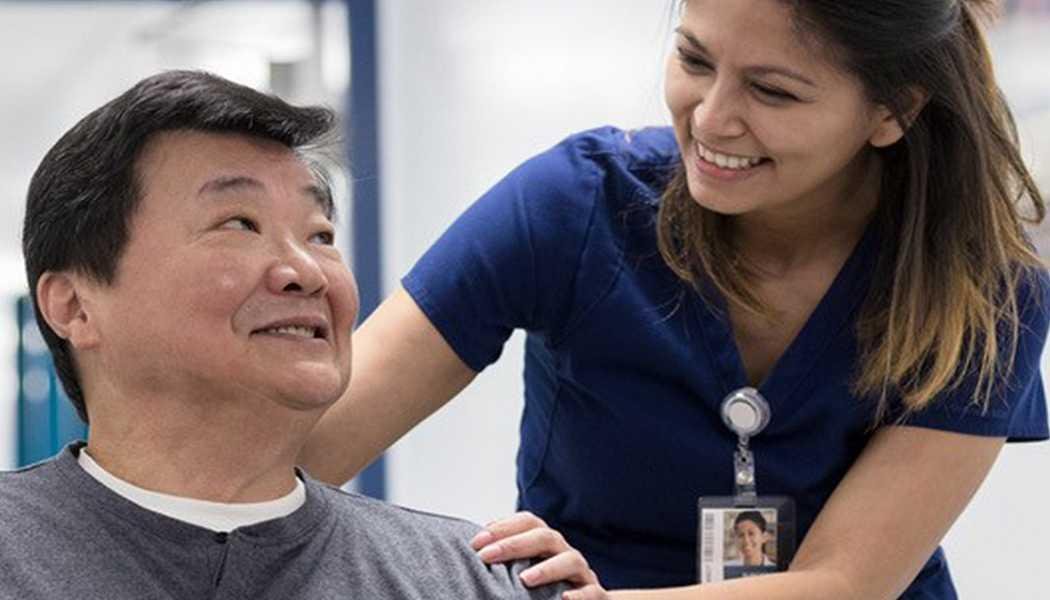
The aesthetic landscape has shifted profoundly as we move through 2026. The "overdone" trends of the past decade have been replaced by a sophisticated focus on regenerative aesthetics, subtle facial optimization, and health-neutral body contouring. Today’s patients aren't just looking for a change in appearance; they are seeking a holistic wellness experience that prioritizes longevity and safety.
With this shift toward more refined and complex procedures—such as deep-plane facelifts and comprehensive body sculpting after GLP-1 weight loss—the importance of the "after" has never been greater. This is where the plastic surgery recovery nurse becomes the most valuable asset in a patient’s journey. No longer considered a luxury for the Hollywood elite, professional recovery nursing is now the gold standard for anyone serious about protecting their surgical investment and ensuring a safe, "soft landing" back into daily life.
Why Specialized Recovery Nursing is the New Standard
In 2026, surgical techniques are more precise than ever, but the human body’s inflammatory response remains the same. The first 72 hours following a procedure are a critical window where the surgeon's work is most vulnerable. While a hospital or surgery center provides immediate post-op monitoring, the transition to home can be a daunting gap for patients and their families.
1. Clinical Vigilance and Early Detection
A specialized recovery nurse is a Registered Nurse (RN) who understands the specific physical and emotional arc of aesthetic healing. They aren't just providing companionship; they are providing clinical surveillance. A nurse is trained to spot the subtle, early warning signs of complications that an untrained eye might miss—such as the early stages of a hematoma, skin flap distress, or an emerging infection. In the high-stakes world of plastic surgery, early intervention is often the difference between a minor adjustment and an emergency return to the operating room.
2. Advanced Pain and Medication Management
Modern recovery protocols in 2026 have moved away from heavy reliance on narcotics, focusing instead on multi-modal pain management. This approach is more effective but also more complex, requiring a strict cadence of anti-inflammatories, antibiotics, and nerve-block supports. A recovery nurse manages this schedule with clinical precision, ensuring the patient remains comfortable and "ahead of the pain" without the risk of accidental double-dosing or the confusion of "brain fog" that follows anesthesia.
3. Protecting Aesthetic Symmetry
A surgeon’s work is a masterpiece that requires a careful "setting" period. Recovery nurses ensure that compression garments are fitted perfectly—firm enough to prevent fluid buildup (seromas) but not so tight that they compromise blood flow. They manage surgical drains and oversee specific positioning (such as the 45-degree elevation required after a facelift) to ensure that gravity doesn't undermine the symmetry and contouring the surgeon worked so hard to achieve.
2026 Trends: The Changing Face of Recovery
The role of the recovery nurse is evolving to meet the unique needs of the modern 2026 patient:
-
The "Ozempic Face" & Body Recovery: With the surge in procedures to address skin laxity following medical weight loss, nurses are specializing in high-surface-area wound care. These procedures require intensive nutritional monitoring and meticulous incision management to prevent dehiscence (wound opening).
-
"Quiet" Aesthetics and Social Downtime: Patients today want to get back to their lives faster, but without "looking" like they had surgery. Recovery nurses utilize advanced bedside tools—like manual lymphatic drainage and red light therapy—to reduce bruising and swelling by up to 30%, significantly shortening a patient’s "social downtime."
-
Technological Integration: Many 2026 nurses use wearable health sensors to track a patient’s vitals in real-time. This data can be shared instantly with the surgical team, creating a "virtual ward" that offers hospital-level safety in the comfort of a master bedroom.
The Intersection of Science and Empathy
Beyond the clinical tasks, the plastic surgery recovery nurse provides a vital psychological bridge. The "post-op blues"—a well-documented dip in mood caused by the physical toll of surgery and the temporary "scary" look of early swelling—can be difficult for patients to navigate alone.
A nurse acts as an emotional anchor, providing the "normalization" that a patient needs. When a patient looks in the mirror and sees a swollen reflection, the nurse sees a healthy healing trajectory. This reassurance lowers stress levels, which physiologically reduces cortisol and allows the body to focus its energy on tissue repair.
Empowering the Modern Patient
As the demand for personalized, high-touch care continues to grow, patients are increasingly taking charge of their own recovery plans. They are no longer willing to "wing it" with a well-meaning but untrained family member. Instead, they are seeking out resources and professionals who understand that the recovery is just as important as the surgery itself. For those looking to deepen their understanding of safe recovery protocols or seeking specialized guidance on finding professional support, serves as a premier resource for navigating the complexities of post-operative aesthetic care.
Is Professional Recovery Care Right for You?
While every patient can benefit from professional support, a dedicated recovery nurse is particularly recommended for:
-
Combination Procedures: Such as a "Mommy Makeover" or a facelift combined with eyelid surgery, where the physical toll is significantly higher.
-
Travel Patients: Individuals who have traveled for surgery and are recovering in a hotel or short-term rental away from their primary support system.
-
Busy Professionals: Those who need to maximize their healing efficiency to return to work or public-facing roles as quickly as possible.
-
High-Risk Profiles: Patients with underlying health considerations that require closer monitoring of vitals and circulation.
Final Thoughts: Investing in Your Peace of Mind
The decision to undergo plastic surgery is an investment in your confidence and your future self. However, the true success of that investment is realized in the quiet hours of recovery. By choosing a specialized recovery nurse, you aren't just hiring a caregiver; you are securing your results, protecting your health, and ensuring that your journey toward transformation is as smooth and beautiful as the outcome you envision.
In the world of 2026, the ultimate luxury is no longer the procedure itself—it is the peace of mind that comes from knowing you are in expert hands every step of the way.

 English
 French
 Russian