

How Learning in Childcare Supports Early Language Development
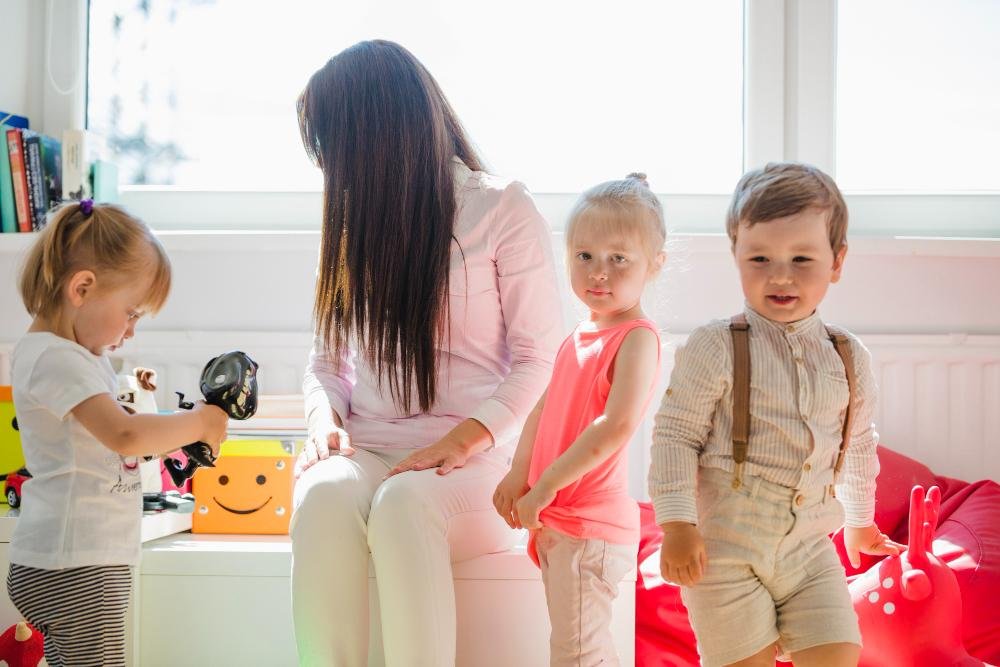
Early language development is one of the most important foundations of a child’s overall growth. The words children hear, the conversations they take part in, and the ways adults respond to them during the early years all shape how confidently and effectively they communicate later in life. Childcare settings play a powerful role in this process, offering a rich learning environment that naturally supports language development from infancy through preschool years.
A Language-Rich Environment from Day One
Quality childcare centers are designed to be language-rich spaces. From labeled objects and colorful books to songs, rhymes, and storytelling sessions, children are constantly surrounded by opportunities to hear and use language. Unlike passive listening at home, childcare environments encourage active participation. Children are not just hearing words; they are responding, questioning, and experimenting with language in real-life situations.
Daily routines such as snack time, playtime, and clean-up moments become learning opportunities. Caregivers describe actions, name objects, and encourage children to express their needs. This consistent exposure helps children understand how language works and builds their vocabulary naturally.
Learning Through Social Interaction
One of the biggest advantages of learning in childcare is social interaction with peers. When children play together, they learn to communicate ideas, negotiate roles, ask questions, and express emotions. These peer-to-peer conversations are essential for developing practical language skills that go beyond memorizing words.
Group activities such as circle time, group games, and collaborative play encourage children to listen carefully and respond appropriately. Over time, this helps improve sentence formation, pronunciation, and conversational skills. Children also learn non-verbal communication cues like facial expressions, tone of voice, and body language, which are crucial parts of effective communication.
The Role of Trained Caregivers
Professional childcare educators are trained to support language development at different stages. They understand when to simplify language, when to introduce new words, and how to encourage shy or slower-speaking children without pressure. Caregivers often use open-ended questions, storytelling, and interactive reading techniques that stimulate thinking and conversation.
Instead of correcting mistakes harshly, they model correct language use. For example, if a child says, “Dog run fast,” the caregiver may respond with, “Yes, the dog is running very fast.” This gentle reinforcement helps children learn proper sentence structure while maintaining confidence.
Learning Through Play-Based Activities
Play is a powerful tool for language learning, and childcare centers use it effectively. Role play, pretend kitchens, building blocks, and art activities all encourage children to talk about what they are doing. When children pretend to be shopkeepers, doctors, or teachers, they naturally use new words and practice dialogue.
Music and movement activities such as singing rhymes and action songs help children understand rhythm, sounds, and pronunciation. These playful experiences strengthen listening skills and phonological awareness, which later support reading and writing development.
Exposure to Stories and Early Literacy Skills
Regular storytelling and book-reading sessions are a core part of childcare learning. Listening to stories helps children understand sentence flow, storytelling structure, and new vocabulary. Picture books encourage children to describe images, predict outcomes, and retell stories in their own words.
Over time, children develop a love for books and storytelling, which builds a strong foundation for reading readiness. They begin to recognize sounds, letters, and patterns in language, making the transition to formal schooling much smoother.
Confidence in Self-Expression
Perhaps one of the most valuable benefits of learning in childcare is the confidence children gain in expressing themselves. Being in a supportive environment where communication is encouraged helps children feel safe to speak, ask questions, and share ideas. This confidence carries forward into school life, improving classroom participation and social relationships.
Conclusion
Learning in childcare does far more than occupy a child’s time; it actively supports early language development through structured activities, social interaction, trained caregivers, and play-based learning. These experiences shape how children communicate, understand others, and express themselves confidently. By nurturing language skills early, childcare lays a strong foundation for academic success and lifelong communication abilities.
From Words to Confidence: Communication and Language Learning in Childcare
How Daycare Encourages Social Confidence and Development in Young Children

 English
 French
 Portuguese
 Russian