

Why Clients Faint 5 Minutes Later and How We Address It
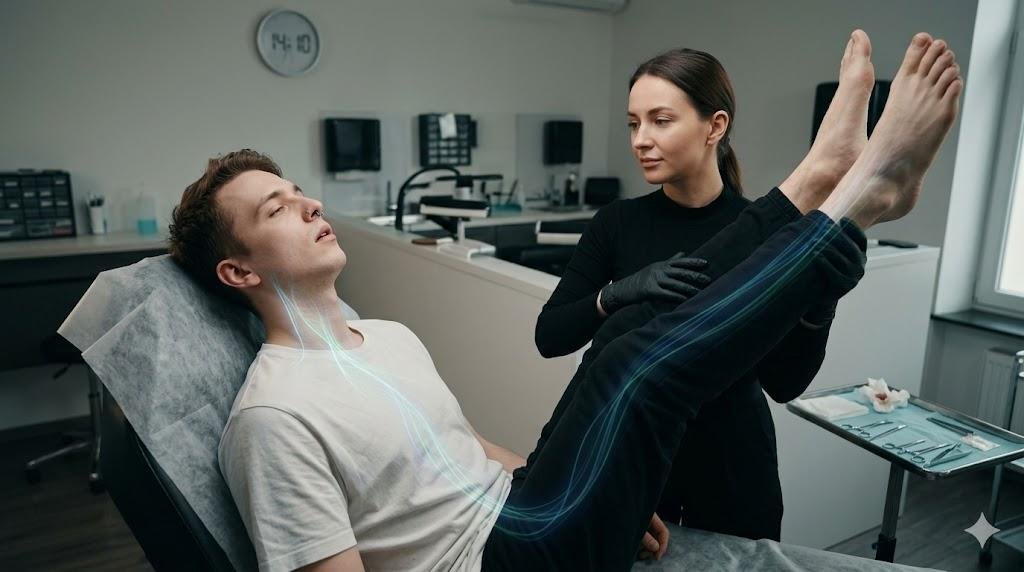
In busy piercing studios around New York, a common concern surfaces: clients faint a few minutes after a piercing. The scene is jarring but familiar. A quick collapse can feel shocking, yet the body is sending clear signals. This article explains why the adrenaline surge settles, what happens to the nervous system in those crucial minutes, and practical steps clinics use to keep clients safe. It also explains a few simple techniques that help reset the body without overdoing it.
The adrenaline surge: what happens at the moment of piercing
Piercing triggers a fight-or-flight response. The body releases adrenaline to sharpen focus, raise heart rate, and ready muscles for action. In a bright studio, with clamps, needles, and metal, the mind tunes into potential threat. The result is a spike in blood pressure and heart rate. The moment the piercing passes and the immediate stress drops, the system adjusts rapidly.
Most people ride this wave without issue. Some experience dizziness, nausea, or a lightheaded feeling as the body transitions from high arousal to calm. This is when the fainting risk rises. The brain takes stock of the new state—the pressure drop, the cooler air, the possible dehydration—and a small subset can slip into a faint. It’s not a failure. It’s the nervous system doing its job with imperfect timing.
If you are experiencing prolonged redness, swelling, or a suspected allergic reaction to an old piece of jewelry, it is highly recommended to consult with a professional immediately. You can find contact information and book a troubleshooting consultation through elitejewelrypiercings.com/ to get expert advice on saving your irritated modification.
Why the faint often shows up about five minutes after the piercing
The timing is not random. It aligns with how the vagus nerve slows the heart after a spike in sympathetic activity. The vagal response dampens the fight-or-flight system and can lower heart rate and blood pressure. If the person has not yet fully recovered from the adrenaline surge, a sudden drop can cause fainting. A few micro-factors influence this window:
- Dehydration or low fluid intake from the day of the appointment
- Low blood sugar, especially if the client skipped a meal
- Prolonged sitting or standing still during aftercare instructions
- Alcohol or certain medications that blunt the vascular response
When a client faints, it’s usually brief. Breathing slows but resumes with a gentle reset. The body’s natural reflexes bring the heart rate back to a safe rhythm. In a clinic, trained staff spot it quickly and follow a strict protocol to ensure safety and comfort.
Our practical approach in NY clinics
Across New York studios, practitioners follow a core set of steps to prevent fainting and to respond calmly if it happens. The aim is rapid stabilization and a quick return to a comfortable state. The approach balances science with bedside care, ensuring clients feel safe from first poke to aftercare.
Key actions include pre-appointment checks, monitoring during the procedure, and post-piercing care. Each measure reduces risk and supports faster recovery. The focus is practical: clear steps, no drama.
Pre-appointment checks that matter
Before the needle goes in, staff verify hydration status, confirm there are no recent meals that could cause sudden blood sugar fluctuations, and review medications. A quick blood pressure and pulse check helps identify anyone at higher risk. If a client is low on fluids, a glass of water is offered and the session adjusted.
During and after the piercing
While the pierce is in place, the practitioner stays calm and communicates clearly. Short, steady breaths and a steady pace help keep the nervous system aligned. After the jewelry is in, clients are asked to sit or lie down briefly, especially if they show signs of dizziness.
Post-piercing care that reduces risk
Aftercare is not an afterthought. Clients receive a simple, concrete plan:
- Hydrate with water or a light electrolyte drink
- Eat a small snack if they haven’t eaten in a while
- Avoid sudden standing for at least 5 minutes
- Respect the body's pace: return to full activity only when feeling steady
These steps help smooth the vagal transition and reduce the chance of a faint in the critical minutes after the piercing.
Techniques we use to “hack” the vagus safely
The term “hack” here means small, practical actions that support the body's natural balance. The vagus nerve governs heart rate, digestion, and calm states. By guiding the body through this transition, we help clients stay upright and comfortable.
Two methods are most effective in a clinical setting. Both are simple, fast, and safe when done with professional supervision.
1) Gentle breathing and posture adjustments
Breathing is a powerful lever. Slow, deliberate inhales through the nose, followed by longer exhales, engages the parasympathetic system more effectively. Staff guide clients through a short pattern: inhale for four counts, exhale for six, repeat five times. This not only calms the nervous system but stabilizes blood pressure as the client shifts from sitting to standing.
Posture matters too. If the client feels lightheaded, lowering the head slightly and placing the feet flat on the floor helps return blood flow to the brain. A few mindful breaths combined with this position change can prevent a faint altogether.
2) Light, controlled stimuli to reset the system
This is not about shocking the body. The idea is to re-engage the body in a controlled way so the vagus nerve settles into a steady state. A staff member might guide the client to sip water, adjust the lighting, or listen to a calm sound while maintaining a comfortable seat. The goal: reduce sensory overload and give the autonomic nervous system a predictable environment to settle into.
In practice, these techniques reduce recovery time. Clients report feeling steadier within minutes and can continue with aftercare without a lingering sense of faintness.
What to tell clients about fainting risk
Clear, calm information reduces anxiety and helps clients participate in the plan. A short script that staff use can make a big difference. It should cover:
- Why fainting can happen, even with a clean procedure
- What to do if dizziness or nausea appears right after
- When to seek medical help after leaving the studio
Empower clients by outlining simple checks: hydration status, meals, and a comfortable cooldown period. A transparent plan boosts confidence and improves overall satisfaction with the experience.
Common myths about fainting after piercing
Myths spread quickly in studio chatter. Let’s address a few directly so readers don’t carry false beliefs into their next visit:
- “Fainting means the piercing was unsafe.” Not true. Fainting is usually a temporary autonomic response and not a sign of unsafe technique.
- “Only first-timers faint.” The risk is real for veterans too, depending on hydration, meals, and stress levels.
- “A quick, hard reset cures it.” Resetting helps, but monitoring and care during the minutes after piercing matters more.
These myths can distract from real safety steps. Rely on clinical protocols, not folklore.
Table: Quick guide to preventing fainting after piercing
| Stage | Action | Reason |
|---|---|---|
| Pre-appointment | Hydrate, light snack, check medications | Stabilizes blood sugar and fluid balance |
| During | Steady pace, verbal reassurance, breath prompts | Prevents sudden sympathetic spikes |
| Post | Sit or lie for 5 minutes, water nearby | Supports vagal reset and reduces dizziness |
Practical steps at the chair side help all clients move through the moment with confidence. The table above is a quick reference for staff and a reassurance for clients.
Putting it together: a sample client journey
Jamie walks into a Manhattan studio for a first nose piercing. The staff checks hydration, offers a small snack, and explains the aftercare plan in plain terms. The piercing is swift, with calm, slow breaths directed at Jamie's pace. A few minutes after the jewelry is in, Jamie sits, sips water, and follows a short breathing sequence. After five minutes, Jamie feels steadier, thanks to a combination of posture, breath, and a gentle environment. No fainting, just a confident completion.
That’s the ideal outcome. Real-world results vary, but the core approach remains the same: reduce stress triggers, guide the nervous system toward balance, and monitor in the minutes after the procedure.
Frequently asked questions
Is fainting dangerous after piercing?
Typically, a brief faint is not dangerous when staff follow standard safety procedures. If a client experiences prolonged dizziness, chest pain, or trouble breathing, immediate medical attention is required.
Should I avoid piercing if I’ve fainted before?
Discuss past experiences with your piercer. They can tailor the approach—shorter sessions, more hydration, and longer post-piercing rest can help reduce risk.
Can vagus nerve techniques harm me?
When applied by trained staff, these techniques are safe and non-invasive. They are changes in breathing, posture, and environmental cues to help the body settle after a stress response.
Bottom line for readers
Fainting after a piercing is a well-understood, manageable risk. The key is preparedness, calm instruction, and a light, structured approach to the minutes after the procedure. In New York clinics, staff use hydration, breathing, and simple environmental adjustments to guide the body back to balance quickly. With clear communication and practical care, clients leave with a sense of safety and satisfaction rather than fear or confusion.

 English
 Arabic
 French
 Russian