

Why PV Plan Sets Make or Break Solar Timelines
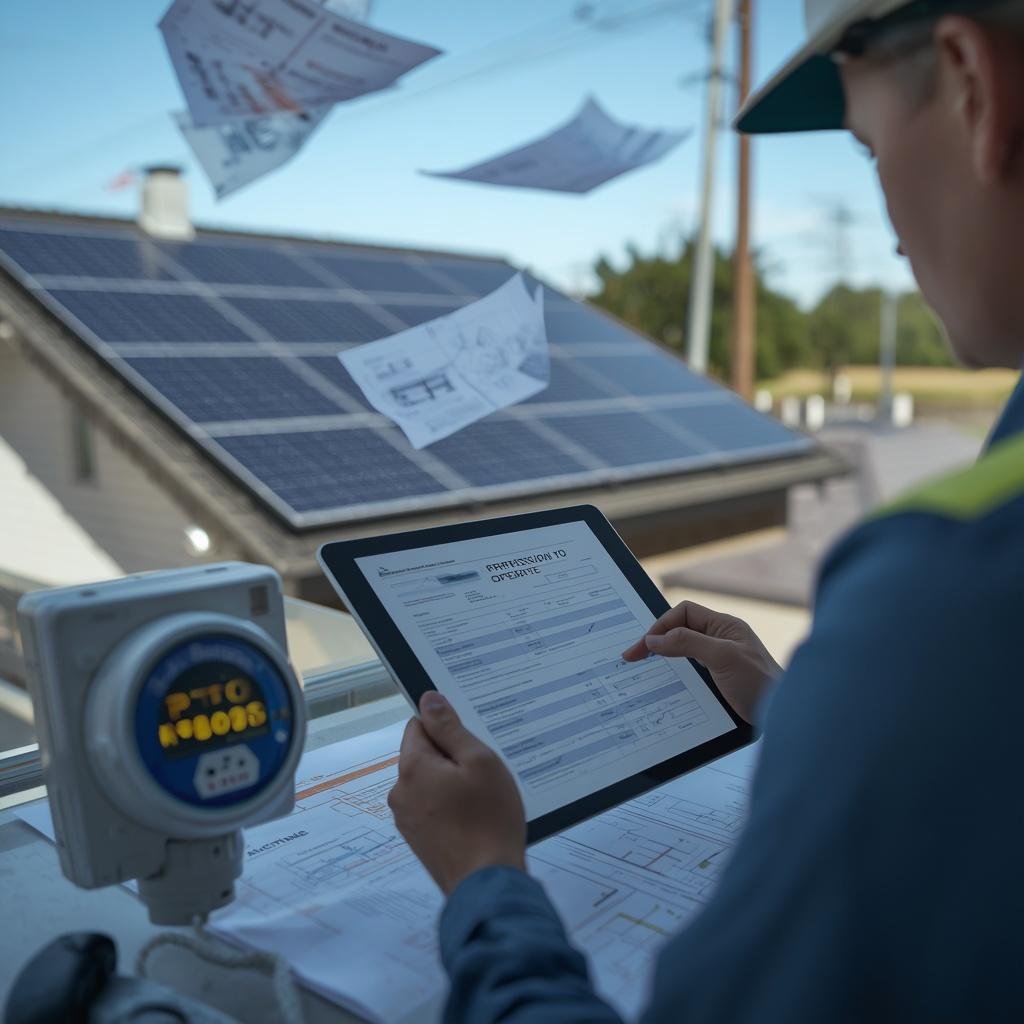
Ask any experienced installer what causes the most permitting headaches, and PV plan sets usually come up first. These documents translate a rooftop design into something a building department can actually evaluate, so even a small error can ripple through the entire project. At PTOEdge, the plan set is treated as the foundation everything else builds on, not just another form to fill out. Once that foundation is solid, permitting, stamping, and utility approval tend to move far more smoothly.
Homeowners rarely think about this part of the process. They care about their electric bill and their roofline, not electrical schematics or structural load tables. Installers, on the other hand, know that rushed or incomplete PV plan sets almost guarantee a delay somewhere down the line, whether it shows up during permitting or later during inspection.
Curious how a better plan set could speed up your next approval? Reach out to the PTOEdge team and compare notes on what's currently slowing your projects down.
The Anatomy of a Reliable Design Package
A dependable design package covers more than a rooftop layout, and every strong set of PV plan sets starts with the same core elements. It typically includes:
- Accurate structural attachment details specific to the roof type
- Electrical single-line diagrams that match the proposed equipment
- Load calculations that satisfy local building code
- Site-specific measurements, not generic assumptions
Because reviewers check each of these elements individually, missing even one can send a submission back for correction. Consequently, installers who invest time upfront on PV plan sets tend to spend far less time managing corrections later. In fact, most permitting delays trace back to a PV plan set that skipped a required detail rather than a flaw in the physical installation itself.
Why City-by-City Rules Complicate Things
Here's where a lot of growing companies get tripped up: permitting rules aren't consistent from one city to the next. A design that clears review easily in one county might get flagged elsewhere for something as simple as spacing between rows or disconnect placement. As a result, PV plan sets built without local context often bounce back, even when the underlying design is technically sound.
This is exactly why many installers lean on solar plan sets built specifically around a jurisdiction's current code cycle, rather than reusing a template from a different market. Similarly, companies expanding into new regions often need solar permit services San Diego teams rely on, or an equivalent local specialist, simply because generic paperwork doesn't hold up against locally enforced standards.
Where Stamping and Documentation Intersect
Once a design is finalized, it typically needs solar panel stamping before a permitting office will accept it. A licensed engineer reviews the structural and electrical details in the PV plan sets and signs off, confirming the design meets code. Skipping or rushing this step rarely ends well, since most jurisdictions require it by law before permitting can even begin.
Meanwhile, a strong solar sales proposal plays a quieter but equally important role. It sets accurate expectations with the homeowner early, which keeps the sales team and the design team working from the same page instead of managing mismatched timelines later.
What Happens After Permitting Clears
Permitting approval isn't the finish line. Utilities still need to review interconnection paperwork before the project can move to permission to operate, and that stage runs on its own separate timeline. Reliable PTO services keep this final stretch from stalling, since a single missing form can leave a project sitting in a utility queue for weeks.
Because of this, installers who invest in permission to operate services early tend to close out projects faster overall. A dependable pto solar partner also helps catch documentation gaps before they become a bottleneck, which matters most during busier seasons, especially when several sets of PV plan sets are moving through review at once. Keeping a clear paper trail across every PV plan sets submission makes it far easier to track where a project actually stands.
Getting the Details Right at Every Stage
By the time a project reaches this stage, it's clear that PV plan sets influence far more than the initial design review. They shape how smoothly stamping, permitting, and utility approval all move forward. Solid Permit Design & AHJ Compliance work ties these stages together by accounting for what a specific authority having jurisdiction expects to see in a submission. Reviewers who see consistent, well-organized PV plan sets tend to move through their review queue faster, which benefits everyone involved.
Careful attention here pays off in ways that compound over time, since fewer corrections mean crews spend more days on rooftops and fewer days waiting on paperwork.
Tying Design, Growth, and Compliance Together
Sustainable Solar Installer Growth depends heavily on operational consistency rather than sales volume alone, and that consistency starts with accurate PV plan sets built for the correct jurisdiction. A complete PTO application, submitted with every required attachment, prevents utility review from dragging on longer than necessary. Meanwhile, a trustworthy solar stamping service remains the connective thread across every stage, since nothing downstream moves without that engineering sign-off. And strong Permit Design & AHJ Compliance practices continue to matter well after the first submission, since amended designs and change orders still need to satisfy the same local requirements.
Don't let an avoidable paperwork issue hold up a finished install. Connect with PTOEdge to review your current design and permitting workflow.
Frequently Asked Questions
What makes PV plan sets different from a basic layout drawing? P
V plan sets include structural, electrical, and code-specific details that a basic layout drawing typically leaves out.
Why do permitting requirements vary so much by city?
Local building departments and utilities each set their own standards, so requirements differ even between neighboring jurisdictions.
What does solar panel stamping actually confirm?
It confirms a licensed engineer has reviewed the design and verified it meets structural and electrical code requirements.
What can delay a project after permitting is approved?
Incomplete utility interconnection paperwork is one of the most common reasons projects stall after permitting clears.
How does a solar sales proposal support the design process?
It sets accurate expectations with the homeowner early, which helps the design and permitting stages move without confusion.
