

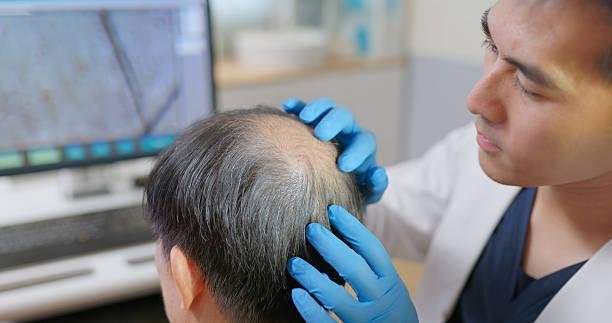
Hair restoration has moved far beyond the era of noticeable plugs and painful strip surgeries. Today, a hair transplant in Dubai using modern restoration methods offers precision, comfort, and naturalness that would have seemed impossible a generation ago. These methods are not just about new gadgets. They represent a deeper understanding of follicular biology, wound healing, and aesthetic design. This article walks you through the key modern techniques, tools, and adjunct therapies that define contemporary hair restoration, explaining what each one contributes to your final result.
The Shift Toward Minimally Invasive Hair Restoration
Modern hair restoration is fundamentally minimally invasive. The goal is to achieve maximum aesthetic improvement with the least possible disruption to the scalp. This philosophy shapes every stage of the procedure.
Older strip surgery, or FUT, required removing a strip of scalp from the donor area, closing it with sutures, and accepting a permanent linear scar. Modern methods have largely moved past this approach. FUE and its refinements extract individual follicular units through tiny circular incisions that heal without stitches. The donor area recovers quickly, and patients can wear their hair short without revealing signs of surgery. This shift from open surgery to micro-extraction has made hair transplantation accessible to a wider range of patients and has reduced both downtime and discomfort.
Minimally invasive also means gentler on the grafts. Modern instrumentation is designed to protect the delicate follicular structures during extraction and implantation. Smaller punches, controlled motorized systems, and atraumatic handling techniques all contribute to higher graft survival and more natural growth patterns.
FUE and Its Modern Refinements
Follicular Unit Extraction remains the foundation of modern hair transplant in Dubai, but the technique itself has undergone significant refinement. Today's FUE is not the FUE of ten years ago.
Motorized and Micromotor Systems
Manual FUE required the surgeon to rotate the punch by hand, which was physically demanding and introduced variability in each extraction. Modern motorized systems use controlled oscillation that reduces torque and creates clean, cylindrical incisions around each follicular unit. The surgeon can adjust speed, rotation arc, and direction based on the resistance of the scalp tissue. This consistency improves graft quality and reduces transection rates.
Sapphire and Tungsten Punches
The material and edge design of the extraction punch directly affect the quality of the incision and the healing that follows. Modern FUE uses punches made from:
-
Sapphire: An extremely hard, transparent material that holds a sharp edge and creates exceptionally clean incisions with minimal tissue drag. Sapphire punches are often used for recipient site creation as well.
-
Tungsten carbide: A durable metal that maintains sharpness throughout long procedures and is available in a range of diameters and edge configurations.
Both materials produce smoother wound edges than older stainless steel punches, which translates into faster healing and less visible scarring.
Direct Hair Implantation as a Modern Standard
Direct Hair Implantation, or DHI, represents one of the most significant modern advances in implantation technique. The Choi implanter pen allows the surgeon to load a graft into a hollow needle and place it directly into the scalp in one continuous motion. This eliminates the separate step of creating pre-made incisions with a blade.
The advantages of this modern method include:
-
Reduced graft handling: Each graft is touched once during loading and immediately implanted, minimizing the risk of mechanical injury.
-
Precise depth control: The implanter needle penetrates to a predetermined depth, reducing the risk of grafts being placed too deep or too shallow.
-
Angle accuracy: The surgeon can adjust the angle of implantation continuously, matching the native hair direction exactly.
-
Dense packing capability: DHI is particularly effective for placing grafts close together, which is useful for hairline refinement and areas requiring high density.
DHI is not a completely different surgery from FUE. The extraction phase is identical. The difference lies in the implantation method. Many modern clinics offer both FUE with pre-made incisions and DHI, selecting the approach that best suits each patient's specific needs and the area being treated.
Platelet-Rich Plasma as an Adjunct Therapy
Platelet-rich plasma, or PRP, has become a common adjunct to modern hair transplant procedures. PRP is prepared by drawing a small amount of your own blood, processing it in a centrifuge to concentrate the platelets, and injecting the platelet-rich fraction into the scalp.
In the context of a hair transplant in Dubai using modern restoration methods, PRP serves several purposes:
-
Graft storage enhancement: Some clinics add PRP to the graft holding solution, believing the growth factors support follicular viability during the out-of-body period.
-
Post-operative healing: PRP injected into the recipient area after implantation may accelerate healing and reduce inflammation.
-
Native hair preservation: PRP can stimulate dormant or miniaturizing native follicles, supporting overall density around the transplanted zone.
-
Ongoing maintenance: Patients may receive PRP sessions at intervals during the first year to support the anagen growth phase.
The evidence for PRP continues to develop, and it is best understood as a supportive therapy rather than a standalone treatment. A modern clinic will explain what PRP can and cannot do and will recommend it when appropriate for your specific case.
Low-Level Laser Therapy and Its Role
Low-level laser therapy, or LLLT, uses red or near-infrared light to deliver photons to scalp tissue. The proposed mechanism involves stimulation of cellular mitochondria, increased ATP production, and improved microcirculation around follicles.
Modern clinics sometimes incorporate LLLT into the post-transplant recovery protocol. The idea is that improved blood flow and cellular metabolism in the recipient area may support graft survival and accelerate the transition from the resting telogen phase to the active anagen phase. Some patients also use at-home laser devices as part of their long-term maintenance plan.
LLLT is non-invasive, painless, and carries minimal risk. Its role is adjunctive, and it should never be presented as a replacement for surgical hair restoration. When discussed transparently, it represents another tool in the modern restoration toolkit.
Digital Planning and Imaging Technology
Modern hair restoration begins long before the day of surgery. Digital planning tools allow the surgeon to analyze your scalp with precision that was previously impossible.
Key technologies used in a modern hair transplant in Dubai include:
-
Trichoscopy: High-magnification digital imaging of the scalp that reveals follicular unit density, miniaturization rates, and hair shaft caliber in both donor and recipient zones.
-
Donor density mapping: Software-assisted analysis that calculates the number of grafts that can be safely extracted without visible thinning of the donor area.
-
Hairline simulation: Digital tools that overlay proposed hairline designs onto your photograph, allowing you and the surgeon to discuss the aesthetic plan collaboratively.
-
Progress tracking: Standardized photography with consistent lighting and angles used at each follow-up visit to document growth objectively.
These tools remove guesswork from the planning process. They give you concrete data about your donor supply and help the surgeon make evidence-based recommendations about graft numbers and distribution.
Regenerative Medicine on the Horizon
The field of hair restoration continues to evolve. Emerging areas of research that may shape future modern methods include:
-
Stem cell therapy: Investigating the potential of follicular stem cells to regenerate dormant follicles or even create new ones.
-
Exosome therapy: Using extracellular vesicles derived from stem cells to deliver growth factors and signaling molecules to follicles.
-
Hair cloning: The long-term goal of multiplying follicular cells in a laboratory to create an unlimited donor supply.
These technologies are not yet established clinical treatments for routine hair restoration. A responsible clinic will distinguish between proven modern methods and experimental approaches. If a clinic promotes unproven treatments as standard care, that is a reason for caution.
Integrating Methods for Personalized Care
What makes a hair transplant in Dubai using modern restoration methods truly effective is not any single technology. It is the thoughtful integration of multiple tools into a personalized treatment plan.
A patient with early hairline recession might benefit from FUE with sapphire punches, DHI implantation for the hairline transition zone, and PRP to support native hair behind the transplant. A patient with advanced crown loss might require a different combination, with staged extraction to manage donor reserves, ATP-enriched graft storage, and a phased surgical plan spread across two sessions. The clinic that asks detailed questions, listens carefully to your goals, and tailors its recommendations accordingly is practicing modern restoration in the fullest sense.
Modern hair restoration is defined by precision, gentleness, and personalization. A hair transplant in Dubai using modern restoration methods brings together advanced extraction technology, refined implantation techniques, biologic adjuncts, and digital planning to create outcomes that are natural, comfortable, and durable. At Tajmeels Clinic, patients experience the full integration of these modern approaches, delivered by a team that prioritizes both technical excellence and a genuinely supportive patient journey.
FAQs
1. What defines a modern hair transplant method?
Modern methods emphasize minimal invasiveness, precise graft handling, and personalized planning. Key features include motorized FUE extraction, sapphire or tungsten punches, DHI implantation, and adjunct therapies like PRP.
2. Is DHI better than standard FUE?
Neither is universally better. DHI offers advantages in dense packing and implantation into thinning areas. Standard FUE with pre-made incisions allows the surgeon to plan the entire distribution before placement. The choice depends on your specific case.
3. What does PRP actually do for a hair transplant?
PRP delivers concentrated growth factors from your own blood to the scalp. It may support graft healing, reduce post-operative inflammation, and stimulate surrounding native follicles. It is a supportive therapy, not a replacement for surgery.
4. Are robotic hair transplant systems used in Dubai?
Some clinics use robotic systems for donor site identification and extraction. These tools assist the surgeon but do not replace clinical judgment. The skill of the human team remains the most important factor in your result.
5. How does digital planning improve my outcome?
Digital trichoscopy and donor mapping provide objective data about your follicular density and miniaturization. This allows the surgeon to set realistic graft numbers and design a plan that protects your donor area while maximizing coverage.
6. What should I ask about the technology a clinic uses?
Ask which technologies genuinely improve your outcome and which are for marketing. Request clear explanations of how each tool benefits graft survival, healing, or naturalness. A transparent clinic will answer without jargon.
7. Can modern methods repair old-fashioned transplant results?
Yes. FUE and DHI are often used for repair procedures, including removing or camouflaging pluggy grafts, softening harsh hairlines, and adding density to areas of poor growth from older techniques.
8. How do I know a clinic is genuinely modern and not just claiming to be?
Look for tangible indicators: surgeon specialization, transparency about technique, use of magnification for graft preparation, and a consultation process that prioritizes diagnosis over sales. Genuine modernity is clinical, not cosmetic.
