

India Furniture Market Growth, Trends & Forecast 2035
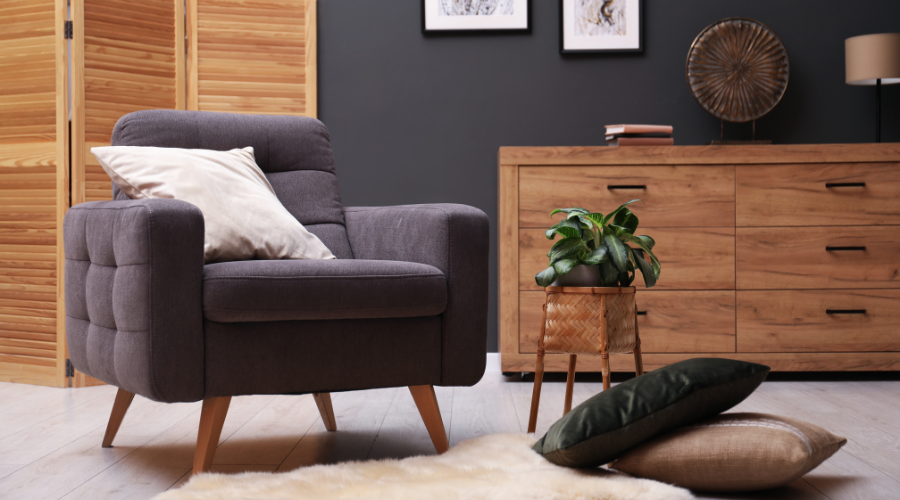
The India furniture market is undergoing rapid transformation as changing lifestyles, urbanisation, rising disposable incomes, and digital retail expansion reshape how consumers buy and use furniture. Furniture is no longer viewed only as a household necessity; it has become an important part of interior design, workplace productivity, hospitality experiences, and lifestyle expression.
The India furniture market reached a value of USD 26.41 billion in 2025 and is projected to grow at a CAGR of around 6.70% during 2026–2035, reaching approximately USD 50.51 billion by 2035. Growth is being supported by expanding residential construction, increasing commercial infrastructure, rising adoption of organised retail, and growing demand for modular, customised, and space-saving furniture solutions.
What Is Driving the Growth of the India Furniture Market?
The Indian furniture market is expanding due to rapid urbanisation, real estate development, increasing consumer spending, and the growing popularity of modern furniture designs.
India’s growing urban population has created strong demand for functional and stylish furniture. Smaller apartments, nuclear families, and changing lifestyles are encouraging consumers to choose modular furniture, compact storage solutions, and multifunctional designs that maximise available space.
The expansion of the real estate sector is another major growth factor. New residential projects, commercial buildings, hotels, and office spaces require furniture solutions that combine aesthetics, comfort, and durability. Developers and interior designers are increasingly integrating furniture solutions into complete living and working environments.
Digital transformation has also changed the way consumers purchase furniture. E-commerce platforms allow buyers to compare designs, prices, materials, and customer reviews before making decisions. Online furniture brands are reaching customers in smaller cities, while technologies such as virtual room visualisation and AI-based recommendations are improving the buying experience.
Which Furniture Materials Are Popular in India?
Wood remains the preferred furniture material in India, while metal, plastic, and engineered materials are gaining popularity due to affordability, durability, and modern design flexibility.
Wooden furniture continues to dominate because of its traditional importance, long lifespan, and premium appearance. Solid wood products such as beds, dining tables, wardrobes, and storage units remain popular among consumers seeking durable and classic designs.
However, changing consumer needs have increased demand for engineered wood materials such as MDF and particle board. These materials support affordable, lightweight, and modular furniture production, making them suitable for urban homes where space optimisation is important.
Metal furniture is gaining demand in commercial applications because of its strength, durability, and low maintenance requirements. Offices, educational institutions, and healthcare facilities often prefer metal-based furniture for long-term use.
Plastic furniture continues to serve budget-conscious consumers due to its affordability and portability. Meanwhile, manufacturers are increasingly exploring sustainable materials, recycled components, and eco-friendly production methods as environmental awareness grows.
How Are Residential and Commercial Sectors Influencing Furniture Demand?
The residential sector remains the largest contributor to furniture demand, while commercial and hospitality segments are expanding due to business growth, infrastructure development, and changing workplace requirements.
Residential furniture demand is increasing because of rising household formation, urban migration, and growing interest in home improvement. Consumers are investing in sofas, beds, wardrobes, modular kitchens, dining furniture, and customised interior solutions.
The commercial segment is also becoming increasingly important. Businesses are focusing on ergonomic and attractive office environments to improve employee comfort and productivity. This has increased demand for office chairs, workstations, collaborative furniture, and storage systems.
The hospitality sector is creating additional opportunities as hotels, resorts, restaurants, and tourism projects expand across India. These businesses require furniture that combines durability, design appeal, and brand identity.
How Are Regional Trends Shaping the India Furniture Market?
Furniture demand varies across Indian regions due to differences in income levels, culture, urbanisation, and consumer preferences.
North India remains an important market due to its large population, residential growth, and strong tradition of wooden furniture craftsmanship. Cities such as Delhi, Jaipur, and Lucknow continue to show demand for both traditional and modern furniture designs.
West and Central India benefit from strong commercial activity, infrastructure development, and higher purchasing power. Maharashtra and Gujarat are major markets for premium residential furniture, office solutions, and designer interiors.
South India is emerging as a major growth region due to technology hubs, expanding real estate markets, and increasing demand from urban consumers. Cities such as Bengaluru, Chennai, and Hyderabad are driving demand for contemporary furniture solutions.
East India is also showing gradual growth as organised retail, online shopping, and urban development improve furniture accessibility.
How Is Organised Retail and E-Commerce Changing the Furniture Industry?
Organised retail and online platforms are transforming the furniture market by improving product availability, customer experience, and brand accessibility.
Traditionally, furniture purchases in India were dominated by local carpenters and unorganised retailers. These businesses continue to play an important role through customised services and local relationships. However, organised furniture brands are gaining market share by offering standardised quality, warranties, professional installation, and wider product choices.
E-commerce has accelerated this transition by allowing consumers to access furniture from across the country. Online platforms provide detailed product information, customer reviews, easy comparisons, and convenient delivery options.
Many companies are now adopting an omnichannel strategy, combining online convenience with physical experience centres where customers can evaluate furniture quality before purchasing.
Who Are the Key Companies in the India Furniture Market?
The Indian furniture market includes established domestic manufacturers, international brands, and digital-first companies competing through innovation, quality, design, and customer service.
Major players operating in the market include Godrej & Boyce Manufacturing Company Limited, Inter IKEA Systems B.V., Wakefit Innovations Pvt. Ltd., Nilkamal Limited, Cello World Private Limited, Zuari Furniture, Durian Industries Limited, Usha Shriram Enterprises Pvt. Ltd., Damro Furnitures Pvt. Ltd., Supreme Industries Ltd., and Wipro Furniture Private Limited.
These companies are strengthening their market presence through product innovation, expanded distribution networks, sustainable manufacturing practices, and digital engagement. International brands have introduced global design concepts, while Indian manufacturers continue to compete through local expertise, craftsmanship, and customer understanding.
The competitive landscape is also influenced by certifications, product quality, manufacturing capabilities, and after-sales service. Companies investing in sustainable materials, technology-enabled shopping experiences, and customised solutions are gaining stronger consumer acceptance.
What Is the Future Outlook for the India Furniture Market?
The India furniture market is expected to maintain steady growth through 2035, supported by urbanisation, digital commerce, modular designs, and increasing demand for personalised furniture solutions.
Future growth will be driven by smart furniture concepts, sustainable materials, space-saving designs, and technology-enabled shopping experiences. Residential demand will remain strong, while commercial and hospitality sectors will continue creating new opportunities.
Companies that successfully combine traditional craftsmanship with modern manufacturing, digital accessibility, and sustainable practices will be better positioned to benefit from India’s expanding furniture industry.
Conclusion
The India furniture market is entering a new phase of growth, shifting from a fragmented traditional industry toward a more organised, innovative, and consumer-focused sector. Rising urban populations, real estate expansion, changing lifestyles, and increasing digital adoption are creating significant opportunities for manufacturers and retailers.
With the market expected to reach USD 50.51 billion by 2035, businesses that focus on quality, customisation, sustainability, and customer experience will play a major role in shaping the future of India’s furniture industry.
