

How Commissioning Ensures Safe Power System Startups
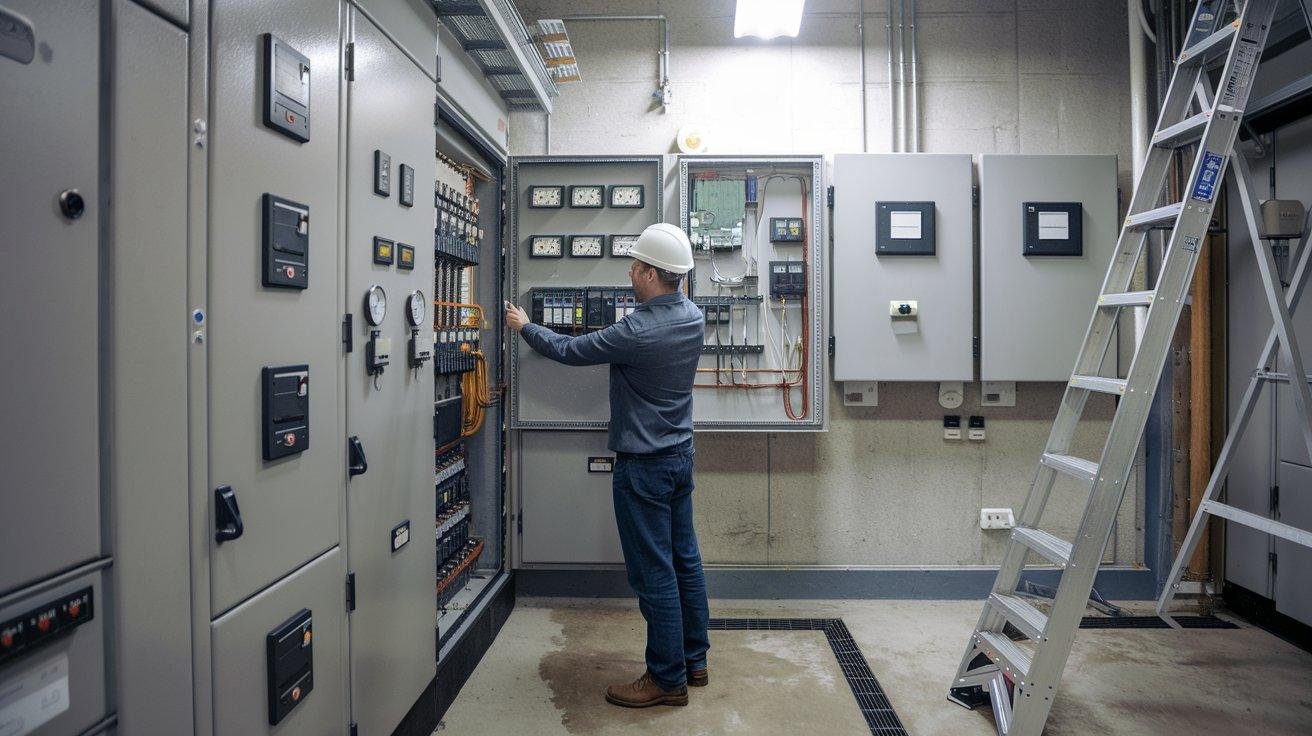
Bringing a power system to life is not just about switching it on. Behind every successful startup lies a detailed process that ensures safety, reliability, and performance. This process is known as commissioning. It plays a critical role in making sure that electrical systems operate exactly as designed, without risks or unexpected failures.
From solar farms to industrial power plants, commissioning is the final and most important step before a system becomes fully operational. It acts as a bridge between construction and real-world performance, verifying that everything works safely under actual conditions.
Understanding Commissioning in Power Systems
Commissioning is a structured process that tests, verifies, and validates electrical systems before they are energized. It ensures that all components, from cables to control systems, function correctly and meet design specifications.
Instead of assuming everything is installed properly, commissioning proves it through testing. Engineers carefully inspect, test, and document every part of the system. This reduces the chances of faults, improves efficiency, and ensures safe operation from day one.
In modern energy projects, especially renewable ones, services like PV & DC Field Electrical & Commissioning Services play a vital role in ensuring solar systems are safe, efficient, and ready for long-term operation.
Why Safe Startups Matter
Power systems operate under high voltage and complex conditions. Even a small mistake during startup can lead to serious issues such as equipment damage, system failures, or safety hazards.
A safe startup ensures that:
-
Equipment is protected from overload or faults
-
Workers and operators are not exposed to electrical risks
-
The system performs as expected under real conditions
-
Long-term maintenance costs are reduced
Without proper commissioning, these risks increase significantly. That is why companies invest time and resources into this critical phase.
Key Phases of the Commissioning Process
Commissioning is not a single task. It is a step-by-step process that begins before installation and continues until the system is fully operational.
1. Pre-Commissioning Checks
Before any system is energized, engineers perform detailed inspections. They verify that all equipment is installed correctly and meets design standards.
This phase includes:
-
Visual inspections of wiring and connections
-
Mechanical checks of equipment
-
Verification of safety systems
-
Review of design documents
These checks ensure that the system is ready for testing and reduces the chances of errors during later stages.
2. Functional Testing
Once the system passes initial checks, functional testing begins. This step ensures that each component works as intended.
Engineers test:
-
Circuit breakers and protection systems
-
Transformers and switchgear
-
Control panels and automation systems
-
Monitoring and communication systems
Each component is tested individually before being integrated into the full system. This helps identify issues early and prevents major failures later.
3. System Integration Testing
After individual components are tested, the next step is to verify how they work together. Power systems rely on coordination between multiple elements, so integration is critical.
This phase checks:
-
Communication between devices
-
Response of protection systems during faults
-
Load handling capabilities
-
Synchronization of systems
It ensures that the entire system behaves as one unified unit.
4. Energization and Startup
This is the most sensitive stage of commissioning. The system is energized for the first time under controlled conditions.
Engineers carefully monitor:
-
Voltage and current levels
-
System stability
-
Equipment performance
-
Safety responses
Any abnormal behavior is immediately addressed. This controlled startup ensures that the system operates safely from the beginning.
5. Performance Verification
After successful startup, the system is tested under real operating conditions. This confirms that it meets performance expectations.
Engineers evaluate:
-
Efficiency levels
-
Output capacity
-
System reliability
-
Environmental performance
Only after passing this stage is the system considered fully operational.
How Commissioning Improves Safety
Safety is the main goal of commissioning. Every test and inspection is designed to reduce risks and prevent accidents.
One of the biggest safety benefits is early fault detection. Issues that might go unnoticed during installation are identified and fixed before the system goes live. This prevents dangerous situations such as short circuits or equipment failure.
Commissioning also ensures that protection systems are working properly. These systems are responsible for shutting down operations during faults, protecting both equipment and personnel.
Another important aspect is compliance. Commissioning ensures that all systems meet industry standards and regulations, which are essential for safe operation.
Role of Skilled Engineers in Commissioning
Commissioning is not just about tools and tests. It requires skilled professionals who understand complex electrical systems.
Experienced engineers:
-
Interpret technical drawings and specifications
-
Identify hidden risks
-
Perform advanced testing procedures
-
Ensure compliance with safety standards
Their expertise makes a significant difference in the success of the commissioning process. Without skilled professionals, even the best-designed systems can fail during startup.
Commissioning in Renewable Energy Projects
With the rise of renewable energy, commissioning has become even more important. Solar and wind systems involve advanced technologies that require precise testing and validation.
In solar projects, commissioning ensures that:
-
Panels are connected correctly
-
Inverters function efficiently
-
DC and AC systems operate safely
-
Energy output meets expectations
This is where specialized services like PV & DC Field Electrical & Commissioning Services become essential. They focus on the unique challenges of solar installations, ensuring safe and efficient operation from the start.
Common Challenges in Commissioning
Despite its importance, commissioning comes with challenges. Understanding these challenges helps in managing them effectively.
Some common issues include:
-
Tight project deadlines
-
Incomplete documentation
-
Installation errors
-
Communication gaps between teams
These challenges can delay projects and increase risks. However, proper planning and coordination can overcome most of these problems.
Best Practices for Successful Commissioning
To ensure a smooth commissioning process, companies follow certain best practices.
Plan Early
Commissioning should be considered from the design stage. Early planning ensures that all requirements are clear and achievable.
Maintain Clear Documentation
Accurate records help engineers track progress and identify issues quickly. Documentation also ensures compliance with standards.
Use Advanced Testing Tools
Modern tools improve accuracy and efficiency. They help detect issues that might be missed with manual methods.
Ensure Team Coordination
Effective communication between engineers, contractors, and stakeholders is essential. It prevents misunderstandings and delays.
Focus on Safety
Safety should always be the top priority. Proper procedures and training ensure a risk-free commissioning process.
Long-Term Benefits of Proper Commissioning
Commissioning is not just about startup. It has long-term benefits that improve system performance and reliability.
A properly commissioned system:
-
Operates efficiently
-
Requires less maintenance
-
Has a longer lifespan
-
Experiences fewer failures
These benefits make commissioning a valuable investment rather than an optional step.
Conclusion
Commissioning is the backbone of safe power system startups. It ensures that every component works correctly, every risk is minimized, and every system performs as expected.
In today’s energy landscape, where systems are becoming more complex, commissioning is more important than ever. It protects investments, ensures safety, and guarantees reliable performance.
Whether it is a traditional power plant or a modern solar installation, commissioning transforms a completed project into a fully functional and dependable system. By following proper procedures and using skilled professionals, companies can ensure safe and successful power system startups every time.

 English
 French
 Russian